
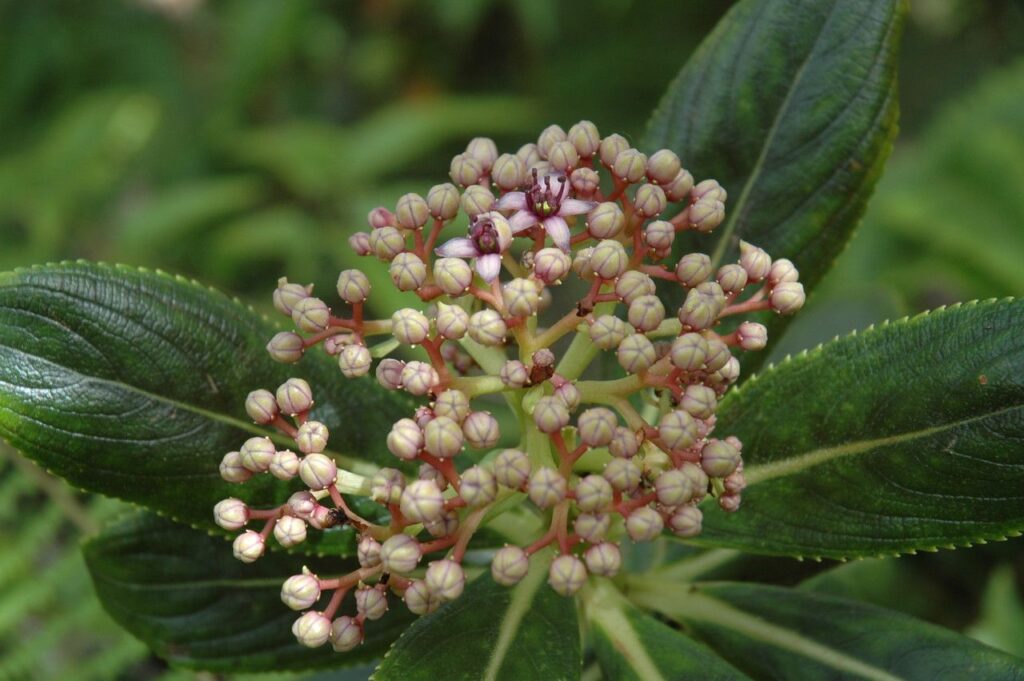
Unlocking the Secrets of Hydrangea Arguta Propagation: A Beginner’s Guide
The delicate beauty of Hydrangea arguta, with its cascading curtain of white blooms, has captivated gardeners worldwide. But imagine the joy of sharing this beauty with friends and family by propagating your own! This guide will demystify Hydrangea arguta propagation and empower you to create new plants with ease.
The Power of Propagation
Propagation is the process of creating new plants from existing ones. There are several methods, but for Hydrangea arguta, we’ll focus on two:
- Hardwood Cuttings: This method utilizes dormant stems from the previous year, offering a reliable and accessible option.
- Softwood Cuttings: During the growing season, you can use new, actively growing stems for propagation.
Hardwood Cuttings: A Winter Wonderland
Step 1: Timing is Key
The ideal time for hardwood cuttings is during the dormant season, typically from late winter to early spring, before new growth emerges.
Step 2: Selection and Preparation
Choose healthy stems from the previous year’s growth, ideally those that are about pencil-thick. Snip a 6-8 inch section below a node (the point where a leaf grows). Make a clean cut with sharp pruning shears.
Step 3: Rooting Hormone and Planting
Dip the cut end of each stem into rooting hormone powder to stimulate root development. Prepare a pot filled with a sterile, well-draining potting mix. Make a small hole and insert the cutting, ensuring at least two nodes are buried.
Step 4: Protect and Nurture
Keep the soil moist but not soggy. Place your cuttings in a protected spot with filtered sunlight. You can cover them with a plastic dome or bag to maintain humidity and warmth.
Step 5: Patience is Key
Rooted cuttings will start to show new growth in several weeks to months. During this time, maintain a consistently moist environment.
Softwood Cuttings: A Summer Delight
Step 1: Seize the Season
Softwood cuttings are taken from the current year’s growth, best done in late spring or early summer when the bark is pliable.
Step 2: Cut with Care
Select semi-hardened stems, roughly 4-6 inches long, with several leaves. Use sharp shears to make a clean cut just below a node. Remove any leaves that will be submerged in the potting mix.
Step 3: Prepare and Plant
Dip the cut ends into rooting hormone and plant them in pots with a good rooting mix. Keep the cuttings moist and sheltered from direct sunlight.
Step 4: A Nurturing Environment
Create a greenhouse effect. Place a plastic dome or bag over the cuttings to maintain humidity and warmth. Regularly mist the cuttings to keep them from drying out.
Step 5: Time to Thrive
Softwood cuttings typically root faster than hardwood cuttings, often within a few weeks. Watch for signs of new growth as a sign of success.
Important Considerations:
- Sterilization: Before handling your cuttings, sterilize your tools to prevent disease.
- Water Quality: Use rain or purified water. High mineral content can harm delicate roots.
- Ventilation: Avoid letting the cuttings get too hot or humid as this can lead to rot.
- Patience: Propagation requires some patience. Don’t be discouraged if the process takes a bit longer than expected.
A New Generation of Beauty
By mastering the art of propagation, you can not only expand your Hydrangea arguta collection, but also share the joy and wonder of these stunning plants with others. So, dive in, get your hands dirty, and create your own horticultural masterpiece!