
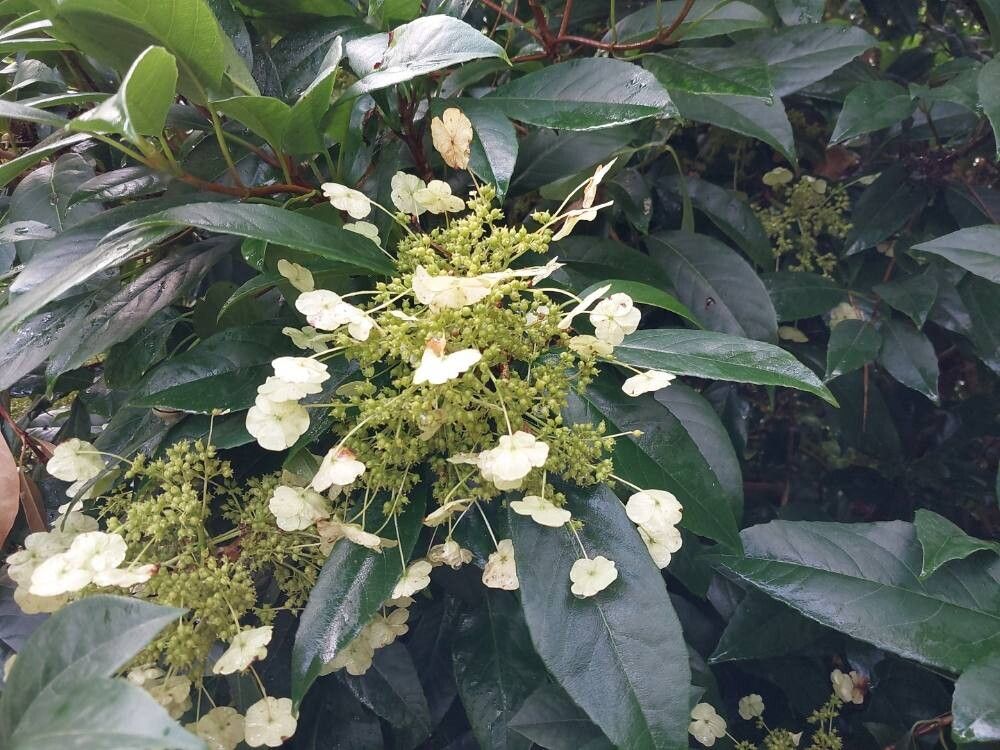
Unlocking the Secrets of Hydrangea seemannii: A Guide to Propagation
The vibrant, bold blooms of the Hydrangea seemannii, also known as the Panama Rose or Climbing Hydrangea, are a sight to behold. This tropical beauty, with its large, showy flower clusters, is a popular choice for gardeners seeking a touch of the exotic. But did you know you can easily create more of these stunning plants?
In this blog post, we’ll explore the fascinating world of Hydrangea seemannii propagation, demystifying the process and empowering you to expand your own garden sanctuary.
The Power of Propagation:
Instead of purchasing new plants, propagation allows you to create more Hydrangea seemannii from existing ones. This is a cost-effective and rewarding method for garden enthusiasts, enabling you to share your love of these plants with friends, family, or simply expand your own flourishing collection.
Methods for Propagating Hydrangea seemannii:
There are two primary methods for propagating Hydrangea seemannii:
1. Stem Cuttings:
This technique involves taking cuttings from the plant’s stems, which, when rooted, will develop into independent individuals. Here’s how:
- Timing is Key: The best time for stem cuttings is during the spring or early summer, as the plant is actively growing.
- Selection is Crucial: Select healthy, non-flowering stems with several nodes (the bumps along the stem where leaves grow).
- Prepare Your Cuttings: Make a sharp, clean cut just below a node, using a pair of sterilized scissors or a sharp knife. Remove any leaves below the soil line.
- Rooting Medium: Prepare a container filled with a sterile rooting medium (like vermiculite or a mix of peat moss and perlite).
- Plant Your Cuttings: Gently insert the bottom end of your cuttings into the rooting medium, making sure the nodes are submerged.
- Moisture and Light: Keep the cuttings moist, preferably in a shaded location. You can use a humidity dome or plastic bag to help maintain moisture.
- Patience and Care: It can take several weeks for the cuttings to root. Be patient, and monitor the medium for dryness and keep it consistently moist.
2. Air Layering:
This method involves encouraging root development on a stem while it’s still attached to the parent plant. Here’s how:
- Choose a Stem: Select a healthy stem that is at least one year old.
- Make an Incision: Gently scrape the bark off a section of the stem, about 1-2 inches long.
- Apply Rooting Hormone: Apply a rooting hormone powder or gel to the exposed area.
- Wrap and Cover: Wrap the area with a damp moss or sphagnum peat moss, then secure it with plastic wrap or aluminum foil.
- Wait for Roots: Once roots develop (usually within several months), carefully sever the stem below the roots and plant it in a pot with potting soil.
Important Considerations:
- Sterilization: To minimize the risk of fungal infections and diseases, always sterilize your tools before propagation.
- Humidity and Moisture: Maintain a consistently humid environment for your cuttings and air layers.
- Fertilization: Occasionally fertilize your cuttings to promote healthy growth and root development.
Conclusion:
Propagation offers a fun and rewarding way to expand your garden with the breathtaking Hydrangea seemannii. Whether you choose stem cuttings or air layering, take your time, be patient, and you’ll soon be enjoying a vibrant collection of these stunning plants. Remember, every new plant you propagate is a testament to the fascinating world of nature, a world you can actively participate in.