
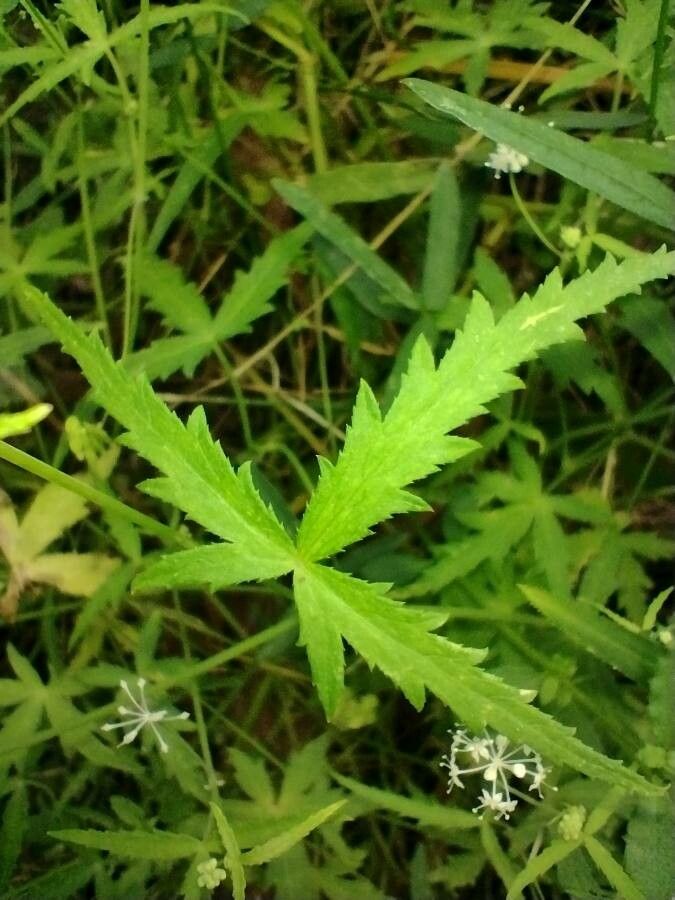
Propagating Hydrocotyle geraniifolia: A Guide for Gardeners
Hydrocotyle geraniifolia, commonly known as the Giant Pennywort or Geranium-leaved Pennywort, is a captivating aquatic and semi-aquatic plant prized for its attractive, rounded, geranium-like leaves and vigorous growth habit. Its popularity stems from its ease of care in aquariums and water gardens, as well as its use as a groundcover in damp, shaded areas. However, its propagation presents unique challenges and rewards, making it a fascinating subject for plant enthusiasts.
Seed Germination:
Currently, there are no known reliable methods for seed germination propagation of Hydrocotyle geraniifolia. While the plant does produce seeds, their viability and germination rates are extremely low, making seed propagation impractical for most gardeners. Further research into specific germination requirements might be fruitful, but currently, this method is not recommended.
Cuttings:
This is the most common and reliable method for propagating Hydrocotyle geraniifolia.
Challenges: While relatively straightforward, success depends on maintaining consistently moist conditions. Rot can quickly set in if the cuttings are not kept adequately hydrated and well-ventilated.
Tips: Take stem cuttings of 4-6 inches long, removing the lower leaves to prevent rot. Plant multiple cuttings in a well-draining, moist substrate, such as a mix of peat moss and perlite. Maintain high humidity—a propagation dome or placing the cuttings in a humid environment is beneficial. Keep the substrate consistently moist but not waterlogged. Root formation usually takes 2-4 weeks.
Rewards: Cuttings offer a rapid and efficient way to increase the number of plants, preserving the genetic characteristics of the parent plant. This method is ideal for propagating specific cultivars or maintaining desirable traits.
Division:
This is another effective method, particularly for established plants.
Challenges: Care must be taken to avoid damaging the delicate roots during the division process. Each division should contain sufficient roots and stems for successful establishment.
Tips: Divide the plant during its active growth period (spring or summer). Gently separate the plant into smaller sections, ensuring each division has a healthy root system and several shoots. Replant the divisions in moist, suitable substrate, maintaining consistent moisture levels.
Rewards: Division is a quick and easy way to multiply established plants, resulting in instant mature plants. It avoids the waiting period associated with cuttings.
Tissue Culture:
This is a more advanced propagation method requiring specialized equipment and skills.
Challenges: Tissue culture requires a sterile environment, specialized media, and aseptic techniques. Contamination can easily ruin the entire process.
Tips: This method requires expertise in plant tissue culture, including preparing nutrient media, sterilizing equipment, and maintaining sterile conditions. It’s best undertaken in a laboratory setting or by experienced propagators.
Rewards: Tissue culture enables mass propagation of Hydrocotyle geraniifolia, producing a large number of genetically identical plants. It can also be used to eliminate diseases and produce virus-free plants.
Conclusion:
Propagating Hydrocotyle geraniifolia presents unique challenges across different methods. While seed germination is currently unreliable, cuttings and division offer viable and achievable options for most home gardeners. Tissue culture provides a pathway for large-scale propagation but requires specialized knowledge and resources. The satisfaction derived from successfully propagating this beautiful plant, however, outweighs the challenges. The sight of new growth emerging from a cutting or a thriving divided plant serves as a testament to patience and horticultural skill. So, embrace the challenge, experiment with different propagation techniques, and enjoy the rewarding journey of cultivating this remarkable plant.