
Propagating Hylotelephium viviparum: A Guide to Growing Live-Bearing Stonecrop
Introduction
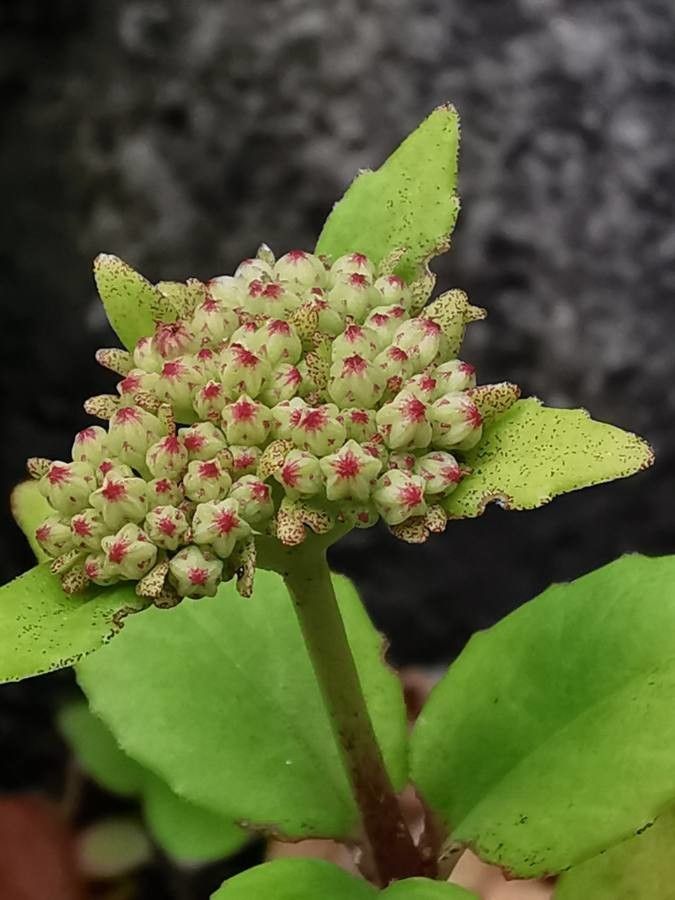
Hylotelephium viviparum, also known as live-bearing stonecrop or mountain stonecrop, is a captivating succulent admired for its striking, star-shaped flowers and its unique method of reproduction. This hardy plant, with its ability to thrive in challenging environments, has earned a place in the hearts of many gardeners. While its captivating appearance contributes to its popularity, Hylotelephium viviparum’s most intriguing characteristic is its capacity for vivipary – the production of plantlets directly on the inflorescence, which then detach and root, offering a fascinating propagation method. This article explores various propagation techniques for this intriguing species.
Seed Germination
Currently, there are no known reliable methods for seed germination propagation of Hylotelephium viviparum. Although the plant produces seeds, their germination rate is exceptionally low, even under ideal conditions. Further research into specific requirements might be necessary before this becomes a viable propagation method.
Cuttings
Challenges: Propagating Hylotelephium viviparum via stem cuttings is relatively straightforward but requires attention to detail. Success rates can vary depending on the timing and technique employed.
Practical Tips: Take stem cuttings in late spring or early summer, using sections approximately 4-6 inches long. Remove the lower leaves to prevent rot and allow for better root development. Allow the cut ends to callous over for a few days before planting in a well-draining succulent potting mix. Keep the cuttings moist but not waterlogged, ensuring good air circulation to minimize fungal issues. Rooting hormones can increase success rates.
Rewards: Cuttings provide a relatively quick and easy method for propagating a number of plants that are genetically identical to the mother plant.
Division
Challenges: Dividing established Hylotelephium viviparum plants is also relatively easy, though it’s best to only perform this during the dormant period (late autumn or early spring). Care must be taken to avoid damaging the roots.
Practical Tips: Gently dig up the mature plant, carefully separating the clumps into smaller divisions, ensuring each division has sufficient roots and stems. Replant these divisions immediately into well-prepared soil. Water sparingly until new growth appears.
Rewards: Division provides a rapid way to increase the number of plants, especially suitable for larger established specimens. It also allows for rejuvenation of older plants.
Tissue Culture
Challenges: Tissue culture propagation of Hylotelephium viviparum, although potentially capable of producing a large number of plants, is a highly specialized technique that requires a controlled laboratory environment, sterile procedures, and specialized media. This method is generally not practical for home gardeners.
Practical Tips: This propagation method would require significant investment in equipment and expertise in sterile laboratory techniques. Experienced tissue culture specialists would be needed.
Rewards: Large scale propagation with high efficiency and disease-free plants is the primary reward. This method can be especially useful for conservation efforts or commercial productions.
Conclusion
Propagating Hylotelephium viviparum presents a unique set of challenges and rewards. While seed germination remains unreliable, cuttings and division offer accessible and successful methods for most gardeners. The tissue culture technique, while technologically advanced, offers potential for large-scale production to those with access to the necessary resources. The unique satisfaction in successfully propagating this plant lies not just in the aesthetically pleasing results, but the intimate connection forged with nature through the careful nurturing required. Don’t be discouraged by the initial hurdles; the perseverance required will be richly rewarded with the vibrant beauty of your propagated Hylotelephium viviparum. Remember to always use sharp and clean tools to avoid unwanted diseases and to choose the propagation method that best aligns with your skills and resources.