
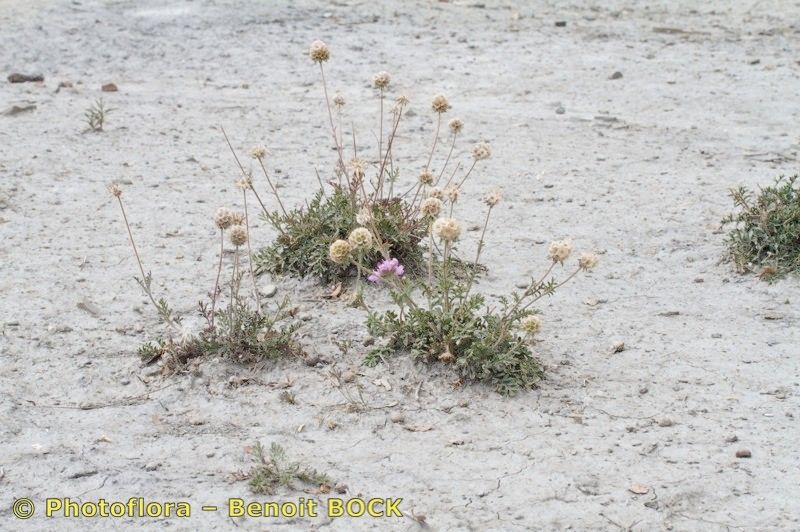
Propagating Lomelosia pulsatilloides: A Gardener’s Challenge and Reward
Lomelosia pulsatilloides, also known as the windflower scabious, is a captivating herbaceous perennial prized for its delicate, airy inflorescences and charming, often pastel-coloured flowers. Its graceful habit and relatively low maintenance requirements have earned it a place in many a gardener’s heart. However, propagating this beauty presents a unique set of challenges, making successful cultivation a particularly rewarding experience. This article explores various propagation methods, weighing their viability and outlining practical tips for success.
Seed Germination:
Currently, there are no known reliable methods for seed germination propagation of Lomelosia pulsatilloides. While seeds may be produced, their germination rate is extremely low, and successful seedling establishment remains elusive. Further research is needed to determine if specific pre-treatments, such as scarification or stratification, could improve germination success.
Cuttings:
Propagating Lomelosia pulsatilloides via cuttings presents limited success. Taking semi-hardwood cuttings in late summer or early autumn is a potential approach. Challenges include the relatively low rooting rate and the susceptibility of cuttings to fungal diseases. Success hinges on employing sterile techniques, using a well-draining propagation mix, and providing high humidity through misting or propagation covers. Despite the difficulties, the rewards lie in preserving desirable genetic traits of a particularly successful mother plant. However, this method is far from foolproof and should not be relied upon for large-scale propagation.
Division:
Division is arguably the most reliable method for propagating Lomelosia pulsatilloides. This is best undertaken in spring or autumn, after flowering or just before new growth commences. Carefully dig up the established plant, gently separating the crown into smaller sections, each with healthy roots and shoots. Replant these divisions immediately, ensuring they are well-watered and kept in a consistently moist but well-drained environment. The major challenge lies in gently handling the often delicate root system to avoid damage which compromises the plants survival chances. However, division offers a high success rate and allows for relatively quick propagation of a established plant.
Tissue Culture:
Tissue culture techniques offer a potential avenue for large-scale propagation of Lomelosia pulsatilloides, but this method requires specialized equipment, knowledge, and aseptic conditions. It is expensive and requires access to a laboratory setting and trained personnel. While the potential rewards include disease-free plants and mass production, it is unlikely a practical option for most home gardeners. Further research into optimal protocols is needed to optimize results.
Conclusion:
Propagating Lomelosia pulsatilloides presents a spectrum of challenges. While seed germination proves unreliable and cuttings offer limited success, division presents the most practical and reliable method for the average gardener. Tissue culture remains a potential, yet highly specialized, route for larger-scale operations. Despite these difficulties, the inherent beauty of this plant, coupled with the satisfaction of overcoming these challenges, makes the effort exceptionally rewarding. For aspiring propagators, patience, meticulous technique, and a dash of perseverance are key. Start with division as your primary method; and if conditions permit, experiment carefully with cuttings. The beautiful blooms of successfully propagated windflower scabious are a testament to your dedication and gardening prowess.