
Unlocking the Secrets of Spider Lily Propagation: How to Multiply Your Hymenocallis Occidentalis
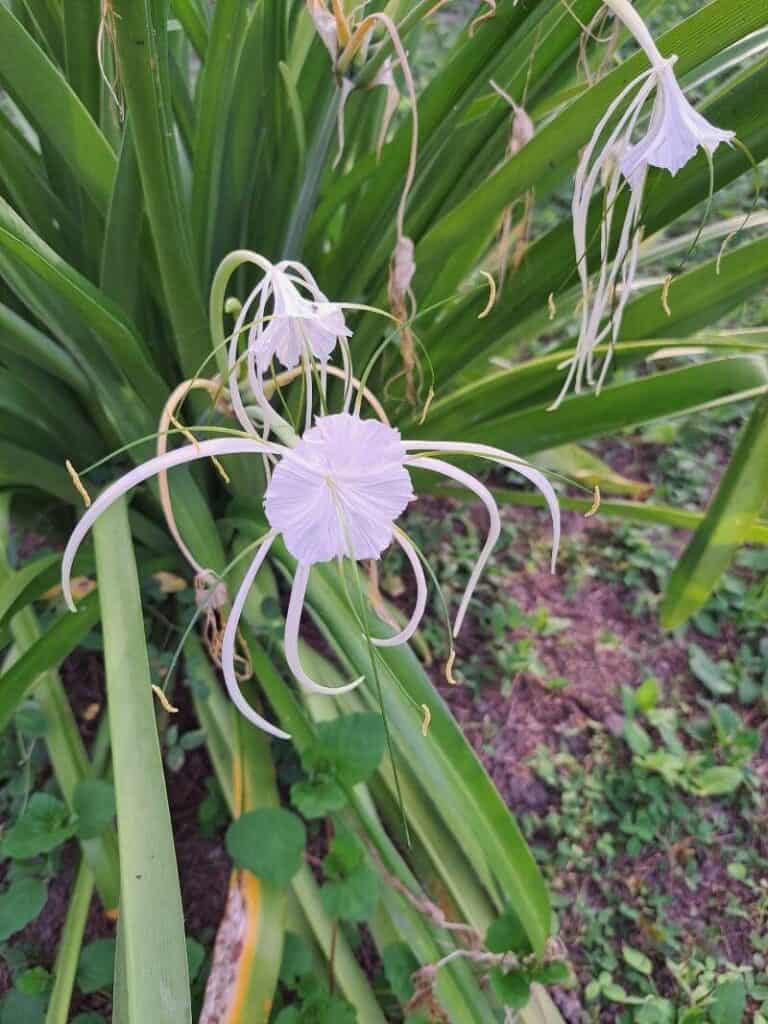
The Hymenocallis occidentalis, more affectionately known as the Spider Lily, is a captivating plant with its spidery, fragrant blooms that grace gardens throughout the southeastern United States. If you’re lucky enough to have this beauty in your garden, you might be wondering how to get more of these stunning flowers. The good news is that propagating Hymenocallis occidentalis is a relatively simple process, offering multiple avenues to expand your floral collection.
Two Roads to Propagation: Seeds vs. Divisions
When it comes to propagating Spider Lilies, you have two primary choices: seeds or divisions. Both methods have their pros and cons, making it a matter of personal preference and desired outcome:
1. The Seed Route: Embracing the Element of Surprise
Collecting seeds from your Hymenocallis occidentalis is an adventure in itself. Once the flowers fade, they develop seed pods that eventually dry and split open, revealing large, green seeds. Collect these seeds, allowing them to dry completely before storing them in a cool, dry place.
While starting from seed can be rewarding, it’s important to note that Hymenocallis occidentalis grown from seed may not be identical to the parent plant. This is because they can hybridize, leading to exciting variations in flower color and form.
To plant your seeds:
- Timing is Key: Sow the seeds in late summer or early fall, directly into the ground or in containers filled with a well-draining potting mix.
- Patience is a Virtue: Germination can take several weeks to months, so don’t despair if you don’t see immediate results.
2. The Division Method: Clones for Consistency
If you’re looking to replicate the exact characteristics of your beloved Spider Lily, division is the way to go. This method involves separating offset bulbs from the mother plant, creating clones that will produce identical blooms.
Steps for Successful Division:
- Digging Deep: Carefully dig up the entire clump of bulbs in late summer or early fall after the foliage has died back.
- Gentle Separation: Gently pull apart the offset bulbs from the main clump, ensuring each division has healthy roots attached.
- Replanting with Care: Replant the divisions immediately in a well-prepared bed or individual pots, ensuring the top of the bulb is level with the soil surface.
Essential Tips for Propagation Success:
No matter which propagation method you choose, these tips will increase your chances of success:
- Well-Draining Soil is Crucial: Hymenocallis occidentalis thrives in moist but well-drained soil. Amend your soil with compost or other organic matter to improve drainage.
- Sun or Shade, They’re Adaptable: Choose a location that receives full sun to partial shade.
- Watering Wisely: Water regularly after planting, keeping the soil consistently moist but not waterlogged.
Propagating your own Hymenocallis occidentalis is a rewarding endeavor that allows you to expand your garden with these breathtaking blooms. Whether you choose the element of surprise that comes with seeds or the consistent beauty of divisions, with a bit of patience and care, you’ll be rewarded with stunning displays of Spider Lilies for years to come.