
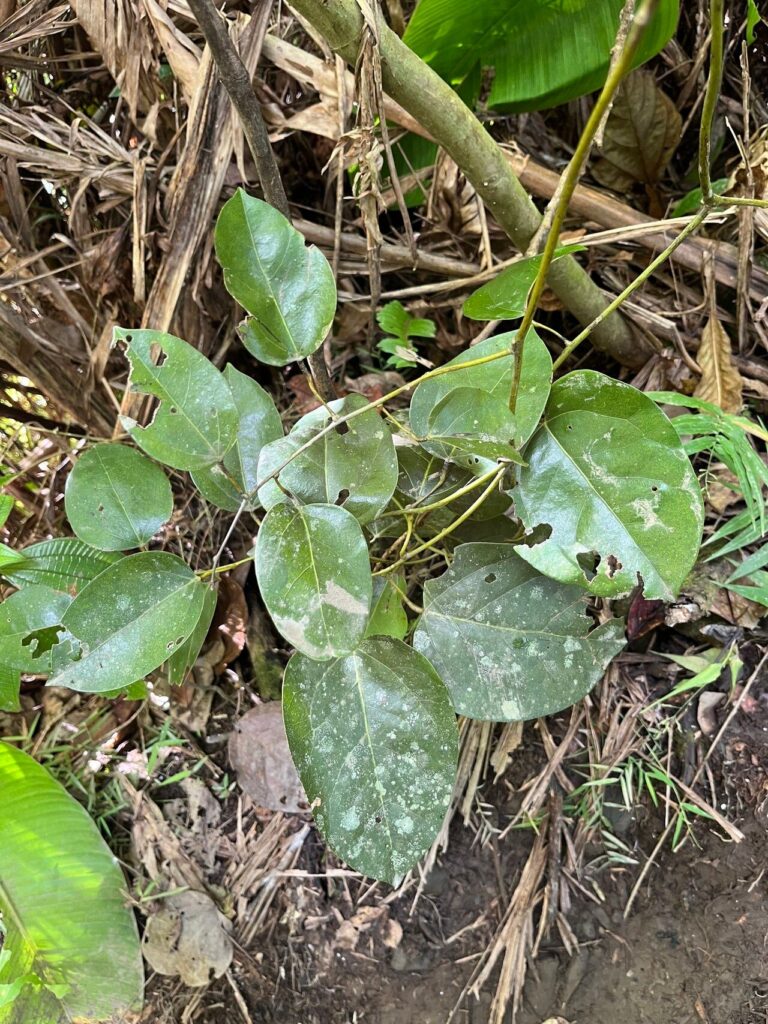
From Seed to Success: Propagating Your Own Hyperbaena domingensis
Have you fallen in love with the unique beauty of Hyperbaena domingensis? This captivating tropical vine, with its glossy green leaves and charming, delicate flowers, is a real conversation starter. But acquiring one can be a challenge, as it’s not the most readily available plant. Thankfully, propagation offers a great way to grow your own personal Hyperbaena domingensis collection, or share the joy with fellow plant enthusiasts.
Let’s delve into the world of propagating this enchanting climber, exploring both the pros and cons of various methods to help you choose the best approach:
1. Seed Propagation – A Journey from Seed to Sapling
- Pros:
- Provides a sense of accomplishment and the thrill of starting a plant from the very beginning.
- Relatively inexpensive and readily available – you can often find seeds online from reputable sources.
- Cons:
- Requires patience – germination can take several weeks, and it can take years for seedlings to reach maturity.
- May have variable results – seed viability and germination success rates can vary.
How to Propagate from Seed:
- Sow the seeds: Prepare a seed tray or pot with a well-draining seed-starting mix. Sow the seeds thinly and cover with a thin layer of soil.
- Maintain moisture: Keep the soil consistently moist but not waterlogged.
- Provide warmth: Place the tray or pot in a warm, sunny location – at least 70°F (21°C) is preferred.
- Patience is key: Germination can take several weeks or longer. Be patient and maintain consistent care.
2. Cuttings – A Quick and Effective Way
- Pros:
- Relatively fast and easier than starting from seed.
- Produces genetically identical clones of the parent plant.
- Cons:
- Requires access to mature Hyperbaena domingensis plants to obtain cuttings.
- May not be successful if the cuttings are not taken properly.
How to Propagate from Cuttings:
- Take semi-hardwood cuttings: Choose healthy, non-flowering stems with several nodes. Cut just below a node with a sharp, clean knife or shears.
- Remove lower leaves: Remove any leaves below the soil line. Use rooting hormone to encourage root growth.
- Pot in a mix: Plant the cuttings in a pot filled with a well-draining potting mix, such as a mixture of peat moss and perlite.
- Keep moist: Keep the soil consistently moist but not waterlogged.
- Encourage rooting: Cover the pot with a plastic dome or bag to create a humid environment.
- Patience again: The cutting will likely start to root within a few weeks but may take longer.
3. Air Layering – A Non-Invasive Technique
- Pros:
- Produces new plants without disturbing the parent plant.
- Ideal for maintaining a large, established Hyperbaena domingensis vine.
- Cons:
- Can be a bit more challenging than other methods.
- Requires specific materials and techniques.
How to Air Layer:
- Select a stem: Choose a healthy, mature stem on the parent vine.
- Make an incision: Make a shallow cut or ring around the stem.
- Apply rooting hormone: Apply rooting hormone to the wound.
- Wrap and secure: Wrap the incision with sphagnum moss, keeping it moist. Cover the moss with plastic wrap and secure it with tape.
- Monitor and wait: Check regularly to ensure the moss remains moist. After several weeks, you should see roots forming.
- Cut and pot: Once the roots have developed, cut the stem below the air layer and pot it in a well-draining potting mix.
No matter which method you choose, remember that propagating Hyperbaena domingensis requires a patient and attentive hand. But the reward of watching your own plant thrive, filling your home with its captivating beauty and unique charm, is well worth the effort. So, embrace the challenge and embark on your Hyperbaena domingensis propagation journey!