
Propagating Hypericum aegypticum: A Gardener’s Guide to the Egyptian St. John’s Wort
Introduction
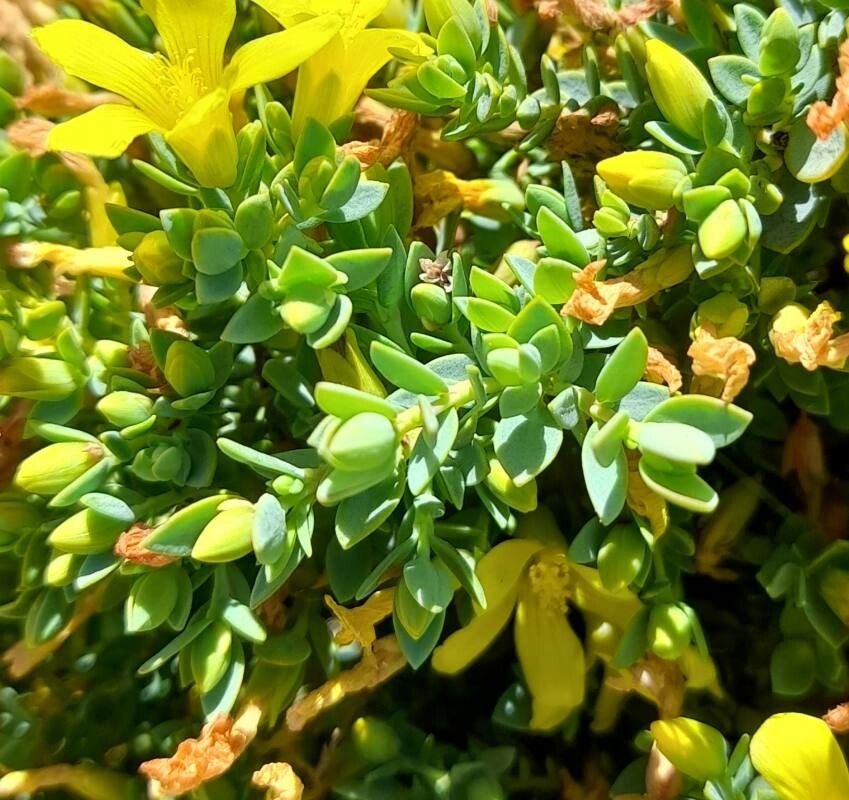
Hypericum aegypticum, commonly known as Egyptian St. John’s Wort, is a charming, low-growing shrub prized for its delicate, bright yellow flowers and attractive foliage. Its diminutive size makes it a perfect choice for rock gardens, borders, or even container gardening. While not as widely cultivated as other Hypericum species, its unique characteristics and relatively low maintenance requirements are attracting increasing interest among gardeners. Propagating Hypericum aegypticum, however, presents some unique challenges that require specific techniques.
Seed Germination
Currently, there are no known reliable methods for seed germination propagation of Hypericum aegypticum. While some Hypericum species readily germinate from seed, Egyptian St. John’s Wort has proven difficult to propagate via this method. Further research into specific germination requirements is needed.
Cuttings
Challenges: While the success rate can be variable, taking cuttings offers a more feasible method than seed propagation. The biggest challenge lies in achieving satisfactory rooting. Hypericum aegypticum cuttings can be prone to rotting if not handled carefully.
Practical Tips: Semi-hardwood cuttings taken in late summer or early autumn generally show better results. Take cuttings approximately 10-15cm long, removing lower leaves to prevent rotting. Dip the cut ends in rooting hormone before planting in a well-draining, moist propagation mix (e.g., a mix of peat moss and perlite). Maintain high humidity using a propagator or covering the cuttings with a plastic bag. Consistent bottom heat will also help promote root development.
Rewards: Successful propagation from cuttings is highly rewarding, providing genetically identical plants to the parent plant, ensuring the preservation of desirable traits. This method is well-suited for smaller-scale propagation.
Division
Challenges: Division is feasible only for established plants that have developed a substantial root system. Care must be taken to avoid damaging the delicate roots during separation. Smaller divisions may struggle to establish themselves.
Practical Tips: The best time to divide Hypericum aegypticum is in spring or autumn when the plant is actively growing or dormant, respectively. Dig out the entire plant carefully, gently separate it into sections, ensuring each division has sufficient roots and stems. Replant the divisions immediately in well-prepared soil, keeping them well-watered until established.
Rewards: Division offers a relatively quick method for increasing the number of plants, particularly for larger specimens.
Tissue Culture
Challenges: Tissue culture requires specialized equipment, a sterile environment, and considerable expertise. It is the most complex and costly method. While potentially successful, optimizing the culture medium and establishing a reliable protocol for Hypericum aegypticum would need dedicated research.
Practical Tips: This method involves sterilely removing small pieces of plant tissue (e.g., shoot tips) and culturing them on a nutrient medium under controlled conditions. This will require a tissue culture lab setting.
Rewards: Tissue culture allows for large-scale rapid propagation and the production of disease-free plants.
Conclusion
Propagating Hypericum aegypticum presents unique challenges, with cuttings proving to be the most accessible method for the average gardener. While seed germination appears unreliable, and tissue culture demands significant resources, division allows for multiplication of established plants. The reward of successfully cultivating this delightful little shrub, however, outweighs the difficulties involved. The unique satisfaction derived from nurturing a cutting into a flourishing plant is a testament to patience and horticultural skill. For aspiring propagators, perseverance and careful attention to detail are key. Don’t be discouraged by initial setbacks—the beauty of your own propagated Hypericum aegypticum will make it all worthwhile.