
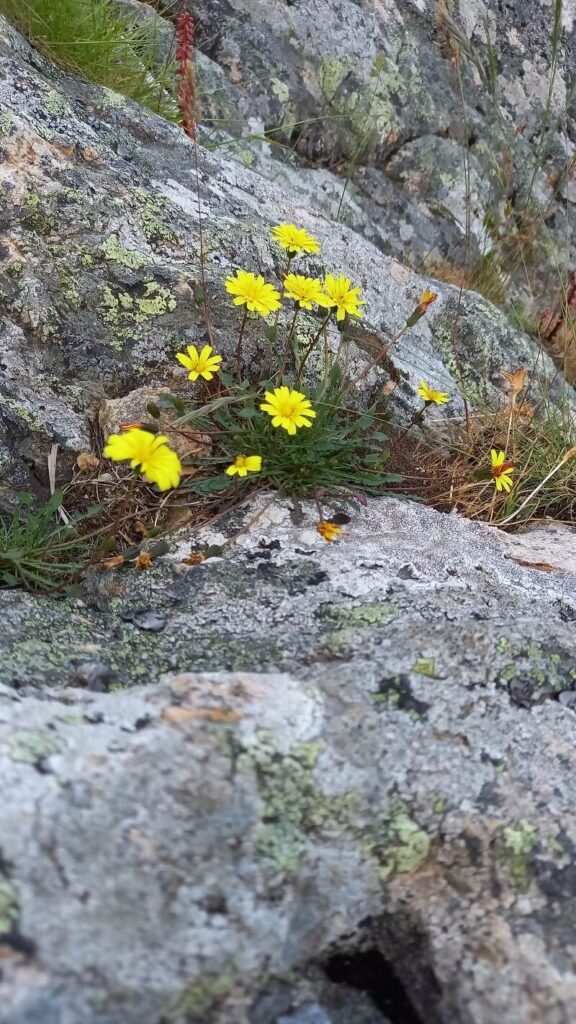
Taming the Wild: How to Propagate the Spotted Cat’s Ear (Hypochaeris robertia)
The Spotted Cat’s Ear (Hypochaeris robertia), a charming wildflower native to the Mediterranean region, isn’t your typical garden variety. But, with its intriguing spotted leaves and cheerful yellow blooms resembling its namesake, it’s gaining popularity amongst adventurous gardeners. If you’re eager to introduce this touch of wild charm to your own space, propagating Hypochaeris robertia is a rewarding endeavor.
Seed Starting: Embracing the Wild Spirit
The most common and effective method for propagating Hypochaeris robertia is through seeds. Luckily, this wildflower is a generous seeder. Here’s how to get started:
- Seed Collection: Keep an eye on your existing plants or those growing wild. As the blooms fade, they will be replaced by fluffy seed heads. Collect them when they appear dry and easily disperse seeds with a gentle touch.
- Sowing Time: You can sow the seeds directly outdoors in either spring or fall. For spring sowing, wait until after the last frost. Fall sowing allows the seeds to experience the natural cold stratification process over winter, potentially leading to better germination in spring.
- Sowing Technique: Choose a location with well-draining soil and full sun to partial shade. Lightly rake the soil surface and sprinkle the seeds, aiming for even distribution. Press the seeds gently into the soil, but avoid burying them deeply, as they need light to germinate.
- Watering: Water the area gently but thoroughly, ensuring the soil remains consistently moist until the seedlings emerge. Be careful not to overwater, as this can lead to damping-off, a fungal disease that affects seedlings.
- Thinning: Once the seedlings have a few sets of true leaves, you can thin them out to provide adequate spacing for growth. A spacing of 6-8 inches is ideal.
Division: Sharing the bounty
Mature Hypochaeris robertia plants can also be propagated by division, typically in spring or fall. This method is relatively straightforward:
- Digging Up: Carefully dig up the entire plant, ensuring you get as much of the root system as possible.
- Dividing the Clump: Use a sharp, clean knife or garden shears to divide the plant into smaller sections, each containing a healthy amount of roots and shoots.
- Replanting: Replant the divisions immediately in prepared locations with well-draining soil and sun exposure similar to their original site. Water them well to help them establish themselves.
A Few Tips for Success:
- Well-draining Soil: Hypochaeris robertia thrives in well-draining soil and is quite drought-tolerant once established. Avoid heavy clay soils or areas prone to waterlogging.
- Sun Exposure: While it prefers full sun, Spotted Cat’s Ear can tolerate partial shade, making it suitable for a variety of garden locations.
- Minimal Fertilization: This wildflower isn’t a heavy feeder. A light application of balanced fertilizer in spring is usually sufficient.
A Final Note:
While Hypochaeris robertia is a relatively easy plant to propagate, remember that like all living things, it requires patience and care. Be attentive to its needs, and you’ll be rewarded with its unique beauty brightening up your garden year after year.