
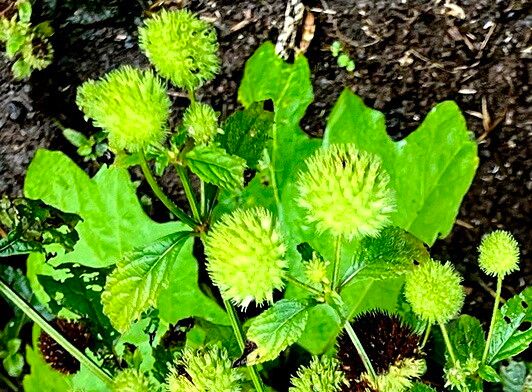
Beyond the Puff: Multiplying the Magic of Hyptis capitata
Hyptis capitata, also known as the False Lion’s Head or Knobweed, is a fascinating plant with globe-shaped flower clusters that attract a myriad of pollinators. While its beauty and ecological benefits are captivating, many wonder how to propagate this unique plant. Whether you’re a seasoned gardener or a curious beginner, unlocking the secrets of Hyptis capitata propagation is easier than you might think!
Two Paths to Propagation: Seeds and Cuttings
Just like in the wild, Hyptis capitata can be propagated through two main methods:
-
Seed Propagation: This method embraces the plant’s natural life cycle. As the flowers mature, they produce small seeds that readily germinate under the right conditions.
- Seed Collection: Wait until the flower heads turn brown and start to dry. Gently collect them and store them in a paper bag in a cool, dry place. Once fully dry, give the bag a shake to release the seeds.
- Sowing the Seeds: In the spring, sow the seeds in a seed tray or small pots filled with well-draining seed starting mix. Sprinkle the seeds on the surface and lightly press them down without burying them.
- Germination: Keep the soil consistently moist and provide warmth (around 70-75°F). Germination typically occurs within 2-3 weeks.
- Transplanting: Once the seedlings develop a few sets of true leaves, transplant them into individual pots or directly into your garden after the last frost.
-
Cuttings: For those seeking a quicker and more controlled approach, propagation from cuttings is ideal.
- Taking the Cuttings: In the spring or early summer, select healthy, non-flowering stems. Using a clean, sharp knife or pruning shears, take cuttings about 4-6 inches long, making the cut just below a leaf node.
- Preparing the Cuttings: Remove the lower leaves from the cutting, leaving only a few leaves at the top.
- Rooting Hormone (Optional): While not mandatory, dipping the cut end in rooting hormone can encourage faster root development.
- Planting the Cuttings: Plant the cuttings in a well-draining potting mix or a mix of perlite and vermiculite. Keep the medium consistently moist.
- Creating a Humid Environment: To increase humidity and promote rooting, cover the cuttings with a clear plastic bag or use a propagation dome.
- Transplanting: After 4-6 weeks, gently tug on the cuttings to check for root development. Once roots have formed, transplant them into individual pots or your garden.
Tips for Success:
- Well-Draining Soil: Whether starting from seed or cuttings, Hyptis capitata thrives in well-draining soil.
- Sunlight: Place your plants in a location that receives at least 6 hours of sunlight per day.
- Watering: While these plants are relatively drought tolerant once established, consistent moisture is essential during the propagation and early growth stages.
- Pinching Back: Regularly pinching back the growing tips encourages bushier growth and more abundant flowering.
Propagating Hyptis capitata is a rewarding experience that allows you to expand your garden’s beauty and attract more pollinators. With a little patience and care, you’ll be rewarded with thriving plants that bring joy for years to come.