
Propagating Hyptis vilis: A Gardener’s Guide
Introduction:
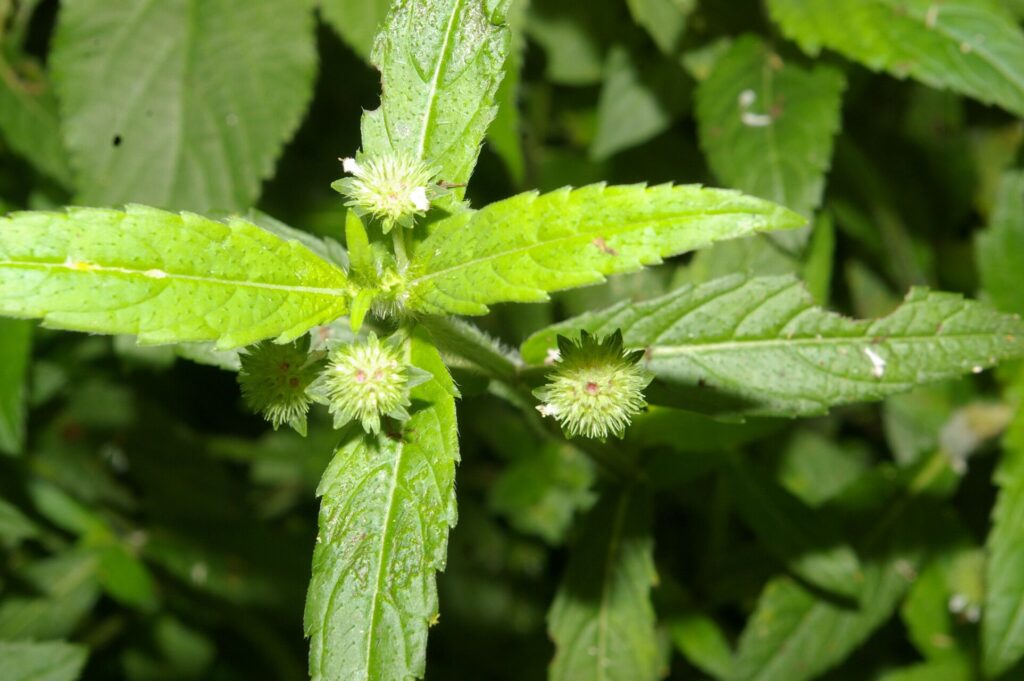
Hyptis vilis, commonly known as the small-flowered bush or just hyptis, is a robust, aromatic shrub native to the Americas. Characterised by its small, white or lilac flowers and slightly hairy leaves, it’s gaining popularity among gardeners for its attractive foliage, purported medicinal properties, and its use as a bee-attracting plant. While relatively easy to maintain once established, propagating Hyptis vilis presents unique challenges, depending on the chosen method. Its propagation success is often tied to specific environmental factors and careful technique.
Seed Germination:
Currently, there are no known reliable methods for seed germination propagation of Hyptis vilis. While the plant does produce seeds, their germination rate is reportedly very low, and successful germination under controlled conditions has not yet been documented extensively in horticultural literature. Further research is needed to determine optimal germination conditions, if any exist.
Cuttings:
-
Challenges: Cuttings present a more viable method compared to seed propagation. However, success depends significantly on the timing (ideally during the growing season) and the selection of healthy, actively growing stem cuttings. Rotting is a major challenge, especially in high-humidity environments.
-
Practical Tips: Take semi-hardwood cuttings (around 10-15cm long) from the current season’s growth. Remove lower leaves, dip the cut end in rooting hormone, and plant them in a well-draining, moist potting mix. Maintaining a high humidity level (using a propagator or covering with a plastic bag) is crucial to prevent water loss. Ensure adequate light, but avoid direct sunlight.
- Rewards: Cuttings offer a relatively straightforward means of propagating Hyptis vilis, preserving the genetic characteristics of the parent plant. This method is suitable for both small-scale home gardeners and larger nurseries.
Division:
-
Challenges: Division is only feasible for established, well-rooted plants. Care must be taken to avoid damaging the root system during the process, which could hinder the successful establishment of the divided sections. Successful division relies on the plant’s health and appropriate timing.
-
Practical Tips: Divide the plant in early spring or late autumn, ensuring each division contains sufficient roots and top growth. Plant divisions promptly into well-prepared soil, ensuring good drainage and watering.
- Rewards: Division provides a quick and relatively simple means of multiplying already-established plants. It can be a useful method for maintaining existing varieties.
Tissue Culture:
-
Challenges: Tissue culture is a more complex and technically demanding method requiring specialized equipment, sterile conditions, and expertise in plant tissue culture techniques. Establishing optimal growth media and protocols for Hyptis vilis may require considerable experimentation.
-
Practical Tips: This method is not typically undertaken by home gardeners. Specialized laboratories equipped for plant tissue culture would need to be utilized.
- Rewards: Tissue culture offers the potential for mass propagation of Hyptis vilis, ensuring genetic consistency and producing disease-free plants. It’s an important method for conservation and large-scale commercial production.
Conclusion:
Propagating Hyptis vilis, while offering a rewarding experience for the successful cultivator, presents unique hurdles depending upon the chosen method. While seed propagation proves problematic, cuttings offer a reliable pathway for many, followed by division for those with established plants. Tissue culture remains a sophisticated solution reserved for professional nurseries seeking large-scale production. The journey, however, is rewarding. Overcoming the challenges of successfully nurturing a cutting or division and witnessing the vibrant growth of a new plant provides a unique sense of accomplishment. For aspiring propagators, perseverance and attention to detail, particularly regarding appropriate humidity levels and soil conditions, are key to success. Remember that patience is crucial; don’t be discouraged by initial setbacks – the joy of nurturing Hyptis vilis from a cutting or division is well worth the effort.