
Propagating Iberis pectinata: A Gardener’s Guide to the Candytuft
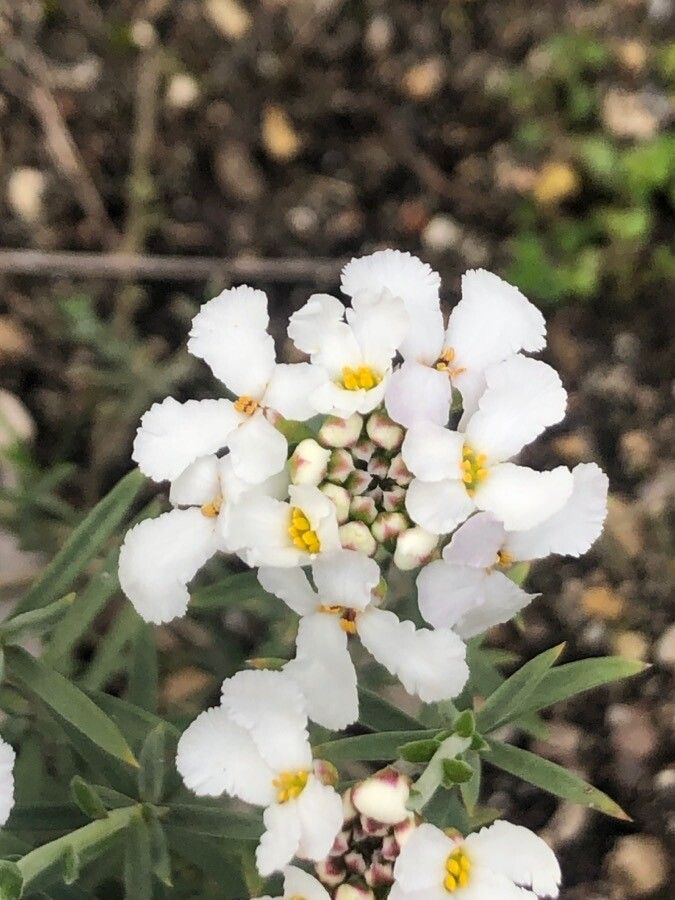
Iberis pectinata, commonly known as Iberian candytuft or toothed candytuft, is a charming, low-growing annual or short-lived perennial prized for its profusion of small, white, pink, or purple flowers. Its delicate foliage and airy flowering habit make it a popular choice for rock gardens, borders, and containers. Its ease of cultivation in well-drained soil and its tolerance of sun make it a valuable addition to many gardens. However, propagating Iberis pectinata can present some challenges, depending on the chosen method.
Seed Germination:
Seed germination is a viable method for propagating Iberis pectinata, offering the rewards of genetic diversity and the potential for large-scale propagation. However, it’s not always straightforward. The challenges include inconsistent germination rates and the need for specific conditions.
- Challenges: Seeds can have a variable germination rate, and some require a period of cold stratification to break dormancy. Incorrect sowing depth and inconsistent moisture levels can also hinder germination.
- Tips: Sow seeds outdoors in autumn or spring directly into well-drained soil. For improved germination, consider pre-treating seeds by cold stratification for 4-6 weeks by placing them in a moist medium (e.g., vermiculite) in a refrigerator (around 4°C). Sow seeds thinly, barely covering them with soil, and maintain consistent moisture levels until germination. Avoid overwatering, as this can lead to fungal diseases.
- Rewards: Successfully germinated seeds offer a multitude of genetically diverse plants, reducing the risk of disease susceptibility and enhancing resilience. This method is ideal for large-scale propagation in a nursery setting or for gardeners seeking to establish a large colony of plants.
Cuttings:
Cuttings present a viable, though less common, propagation method for Iberis pectinata.
- Challenges: Rooting success can be variable, depending on the age and health of the parent plant and the environmental conditions. Maintaining humidity and optimal temperature are crucial for successful rooting.
- Tips: Take semi-hardwood cuttings in late spring or early summer. Use a sharp knife or pair of secateurs to take 4-6 inch cuttings from healthy stems. Remove lower leaves to prevent rot and dip the cut ends in rooting hormone. Plant cuttings in a well-draining potting mix and provide high humidity (e.g., using a propagation dome or plastic bag). Maintain consistent moisture and good ventilation to prevent fungal infections.
- Rewards: Cuttings produce genetically identical plants to the parent, preserving desirable traits quickly.
Division:
Division is a reliable method for propagating established Iberis pectinata plants.
- Challenges: This is only feasible with mature plants that have developed a substantial root system. Incorrect division can damage the plant, hindering its regrowth.
- Tips: Divide plants in spring or autumn when the plant is actively growing or dormant, respectively. Carefully lift the plant from the ground and gently separate the root ball into smaller sections, each with its own healthy root system and several shoots. Replant the divisions immediately in well-prepared soil.
- Rewards: Division is a quick and relatively easy method for propagating established plants, instantly creating more mature plants compared to propagating from seeds or cuttings.
Tissue Culture:
Currently, there are no known reliable methods for tissue culture propagation of Iberis pectinata readily available to home gardeners. This is a highly specialized technique typically undertaken in laboratory settings.
Conclusion:
Propagating Iberis pectinata presents unique challenges depending on the chosen method. While seed germination offers genetic diversity but varies in success rate, cuttings provide uniformity and quicker results, and division is simple but limited by the plant’s maturity and size. Although tissue culture is not currently a viable home propagation option, the other methods are accessible. The satisfaction of successfully cultivating this delicate plant, overcoming the hurdles involved, adds significantly to the gardener’s pride and enjoyment. To aspiring propagators, I offer this advice: experiment with different techniques, learn from setbacks, and appreciate the beauty and resilience of Iberis pectinata. The reward of these miniature floral masterpieces is certainly worth the effort.