
Propagating Iberis pectinata: A Gardener’s Guide to the Candytuft
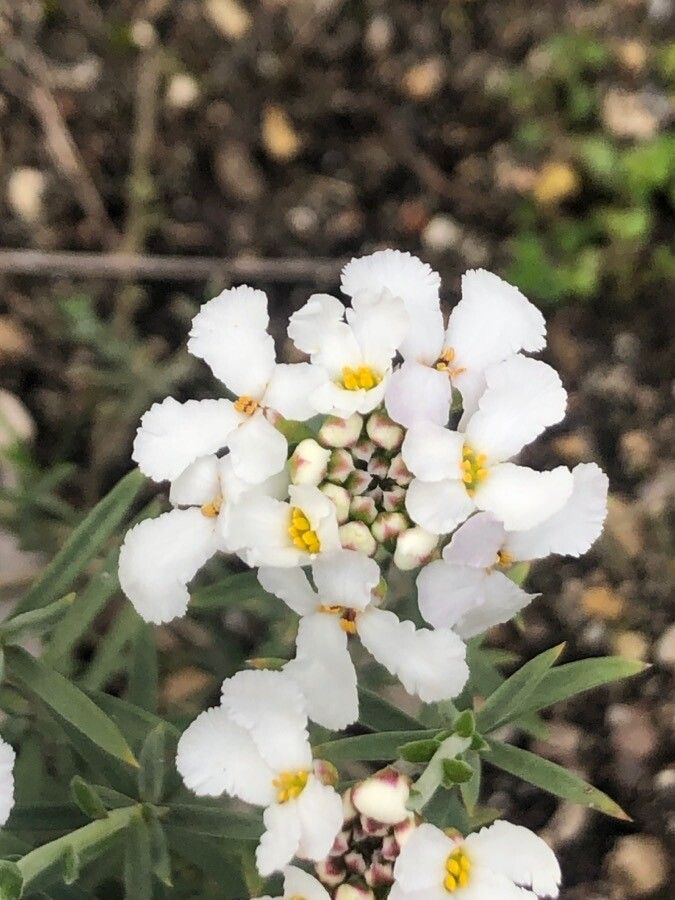
Iberis pectinata, commonly known as Iberian candytuft, is a charming, low-growing perennial prized for its profusion of small, white or pale lilac flowers in spring. Its delicate, airy habit makes it a delightful addition to rock gardens, borders, or as ground cover. While not as commonly grown as other candytuft varieties, its unique, deeply-cut foliage and elegant blooms make it a desirable plant for many gardeners. Its relatively compact size and ability to thrive in well-drained soil further adds to its appeal, but propagating this beauty presents some unique challenges.
Seed Germination:
Currently, there are no known reliable methods for seed germination propagation of Iberis pectinata. While some seeds might germinate sporadically under ideal conditions, the success rate is consistently low, making this method impractical for most gardeners. The potential rewards – genetic diversity and cost-effectiveness – are outweighed by the high likelihood of failure.
Cuttings:
Cuttings offer a more reliable method for propagating Iberis pectinata.
Challenges: Rooting can be slow and inconsistent. Success depends heavily on proper timing and technique. Using hormone rooting powder significantly improves the chances of success.
Practical Tips: Take semi-hardwood cuttings in late spring or early summer. Use a sharp knife or shears to take 4-6 inch cuttings, removing lower leaves to prevent rotting. Dip the cut ends in a rooting hormone powder before planting in a well-draining propagation mix (e.g., a mixture of peat moss and perlite). Keep the cuttings consistently moist but not waterlogged, and provide a humid environment (e.g. by covering with a clear plastic dome or humidity tent). Rooting typically takes several weeks.
Rewards: This method ensures that the resulting plant is a true clone, preserving the exact characteristics of the parent plant. It allows for more controlled propagation compared to relying on seed.
Division:
Division is another viable propagation method for Iberis pectinata, particularly for established plants.
Challenges: Dividing the plant too early or roughly can damage the roots and hinder its ability to re-establish. Timing is crucial; early spring or autumn, just before new growth begins, is the best time.
Practical Tips: Carefully dig up the mature plant, gently separating it into several smaller portions, each with healthy roots and shoots. Replant the divisions in well-prepared soil with adequate spacing, ensuring each division has an established root system. Water thoroughly after planting.
Rewards: Division offers a rapid increase in plant numbers. The resulting plants are established more quickly than those from cuttings, flowering sooner in the following season.
Tissue Culture:
Tissue culture is a far more advanced technique, typically undertaken in specialized laboratories.
Challenges: It requires specialized equipment, sterile techniques, and a considerable level of expertise. The initial investment and ongoing costs can be significant.
Practical Tips: Samples of sterile plant material are cultured in a nutrient-rich medium under controlled conditions to induce the formation of plantlets. These plantlets are subsequently transferred to potting media, acclimatized, and ultimately grown to maturity. This method is beyond the scope of the average home gardener.
Rewards: This method offers the possibility of mass production of disease-free plants and allows for cloning superior specimens with desired traits.
Conclusion:
Propagating Iberis pectinata presents unique challenges across all methods. While seed propagation is deemed unreliable, cuttings and division offer viable options for the dedicated gardener. Tissue culture provides a route for large-scale propagation but demands specialized knowledge and resources. The rewarding aspect of successfully propagating this delicate beauty lies in the persistence and care involved. The final result – a thriving patch of fragrant, white flowers – is a testament to your dedication, offering a unique satisfaction that transcends the initial difficulties. Don’t be discouraged by potential setbacks; the journey, much like the plant’s delicate blooms, is ultimately worthwhile.