
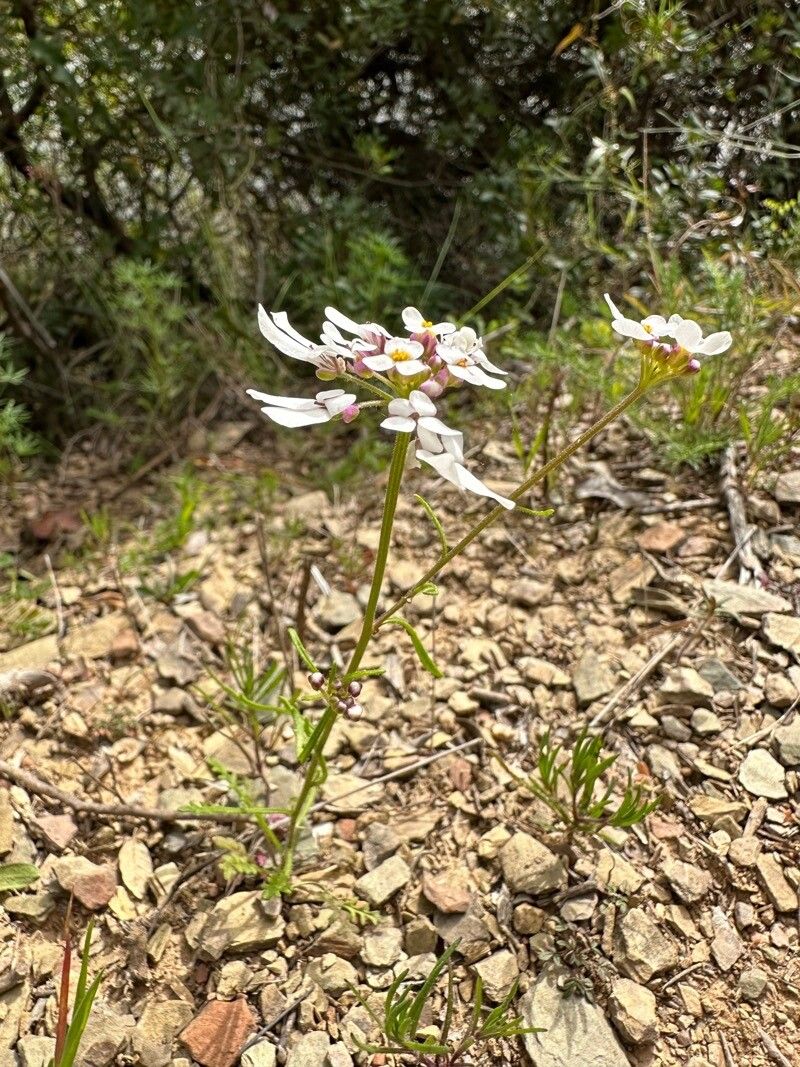
Propagating Iberis pinnata: A Guide to Growing Candytuft
Iberis pinnata, commonly known as candytuft, is a charming, low-growing annual or short-lived perennial prized for its profuse display of delicate, white, pink, or purple flowers. Its mounding habit and tolerance of various soil conditions have made it a favorite among gardeners for borders, rock gardens, and ground cover. While relatively easy to grow from seed, propagation through other methods presents unique challenges and rewards.
Seed Germination:
Seed germination is a viable and popular method for propagating Iberis pinnata. However, it does present some challenges. Seeds benefit from a period of cold stratification, mimicking the natural winter conditions they experience. This process breaks dormancy and improves germination rates.
Challenges: Inconsistent germination rates are possible without proper stratification. Seeds can be slow to germinate, requiring patience.
Tips: Sow seeds outdoors in autumn or perform cold stratification by mixing seeds with moist vermiculite or peat moss and storing them in a refrigerator at 4°C (39°F) for 4-6 weeks before sowing. Sow seeds thinly on the surface of well-drained seed starting mix, barely covering them with soil. Maintain consistent moisture but avoid waterlogging. Germination typically takes 2-4 weeks after sowing.
Rewards: Seed propagation allows for the creation of numerous plants from a small amount of seed, offering excellent value and genetic diversity within a population. This is ideal for large-scale propagation or creating varied planting schemes.
Cuttings:
Propagating Iberis pinnata from cuttings is possible, but the success rate is often lower compared to seed propagation.
Challenges: Cuttings are prone to rotting if not given adequate ventilation and drainage. Rooting can be slow and require consistent humidity.
Tips: Take semi-hardwood cuttings in late spring or early summer from non-flowering stems. Remove lower leaves to prevent decay and dip the cut ends in rooting hormone before planting in a well-draining potting mix. Cover the cuttings with a plastic bag or cloche to maintain high humidity. Provide bright, indirect light. Rooting usually takes several weeks.
Rewards: Cuttings produce genetically identical plants to the parent, preserving desirable traits. This is useful for maintaining specific cultivars or if seed propagation fails to produce the desired characteristics.
Division:
Division is a viable propagation method, particularly for established plants.
Challenges: Divisions need to be large enough to have sufficient roots and shoots for survival. Care must be taken not to damage the root system during the process.
Tips: Divide established plants in early spring or autumn. Carefully dig up the plant and gently separate it into smaller clumps, ensuring each division has healthy roots and shoots. Replant immediately into well-prepared soil and water thoroughly.
Rewards: Division produces instant results and is a relatively quick way to increase the number of plants.
Tissue Culture:
Currently, there are no widely published or readily available methods for tissue culture propagation of Iberis pinnata. While technically possible, it is a complex process requiring specialized equipment and expertise and typically not necessary for home gardeners.
Conclusion:
Propagating Iberis pinnata presents unique challenges depending on the chosen method. Seed propagation offers the easiest and most cost-effective method but requires patience and careful stratification. Cuttings are viable but require more attention to maintain humidity and prevent rot. Division is a good option for established plants but requires some skill. The satisfaction of successfully propagating this lovely plant, especially through the more challenging methods, is a rewarding experience for any gardener. Don’t be dissuaded by initial difficulties; persevere, experiment, and enjoy the journey of bringing more candytuft into your garden.