
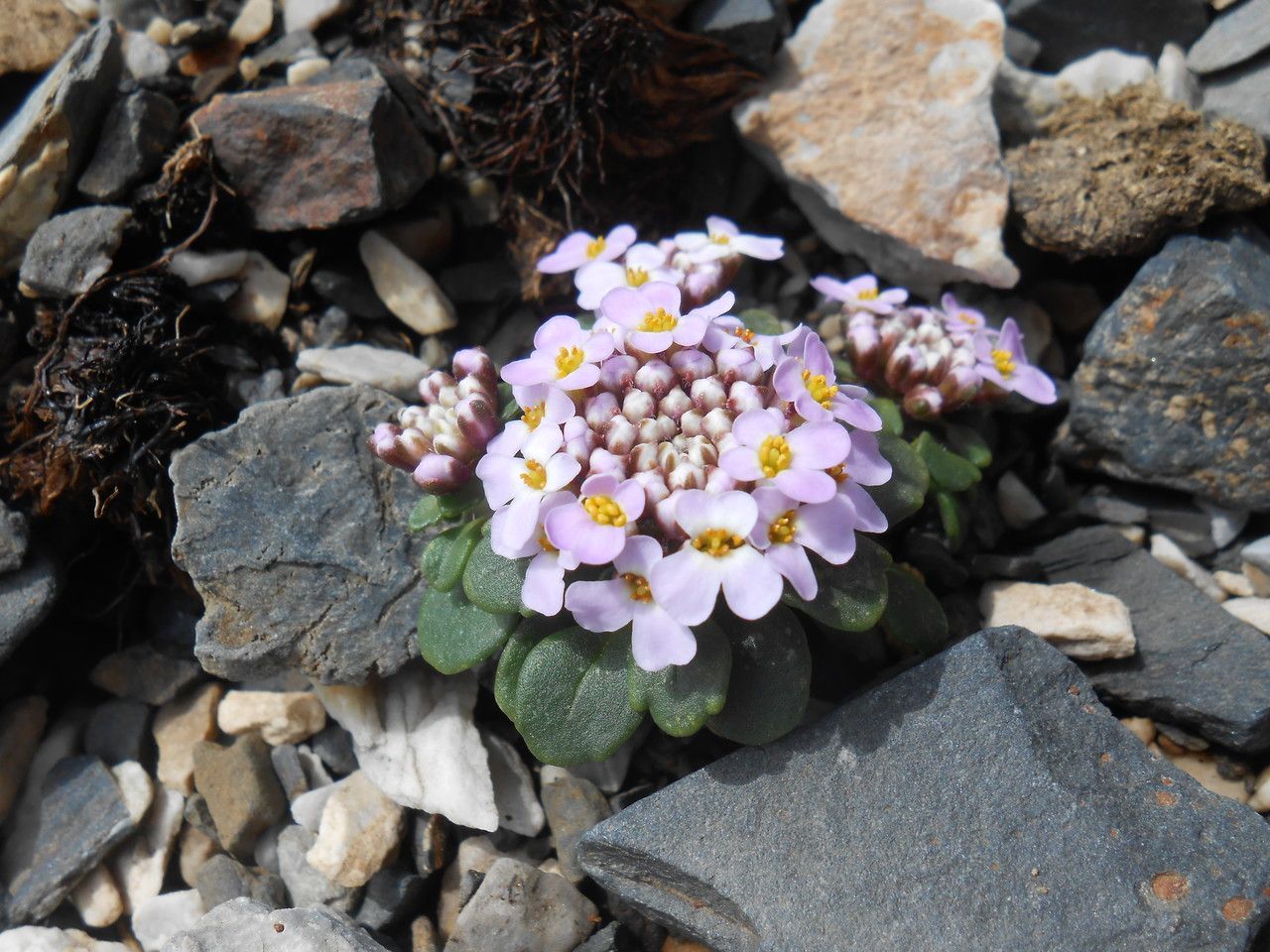
From Tiny Seed to Blooming Beauty: How to Propagate Iberis spathulata
Iberis spathulata, also known as Candytuft or Evergreen Candytuft, is a delightful flowering plant that adds a splash of color to gardens with its cheerful white, pink, or purple blooms. You might think that getting more of these beauties would be expensive, but fear not! Propagating Iberis spathulata is a rewarding and relatively simple process, allowing you to expand your garden’s bounty and share these lovely plants with friends and family.
The Art of Seed Propagation
The easiest and most common way to propagate Iberis spathulata is through seeds. Here’s a step-by-step guide:
1. Collect Seeds: Once the flowers fade, seedpods will form. Let them mature until they turn brown and slightly dry. Gently collect the pods and shake them to release the seeds.
2. Prepare the Soil: Choose a seed tray or pot filled with a seed starting mix, ideally a peat-free, well-draining blend. Lightly moisten the soil.
3. Sowing the Seeds: Scatter the seeds evenly across the surface of the soil. Lightly press them into the soil but do not cover them deeply. Cover the tray with a clear plastic dome or wrap to create a humid micro-environment.
4. Care for the Seedlings: Keep the soil consistently moist but not soggy. Place the tray in a bright, warm location, avoiding direct sunlight. Germination usually takes 10-14 days.
5. Thinning and Transplanting: Once the seedlings have a few true leaves, thin them out, leaving the strongest and healthiest ones. When they are a few inches tall, transplant them into individual pots or directly into your garden bed.
Exploring Other Propagation Methods
While seed propagation is the most common, you can also try two other techniques:
1. Cuttings: Take 4-6 inch cuttings from healthy, non-flowering stems in the spring or early summer. Remove the lower leaves and dip the cut end in rooting hormone. Plant the cuttings in a pot filled with a moistened mixture of peat moss and perlite. Cover the pot with a plastic bag to create a humid environment. Keep the cuttings in a bright, indirectly lit location and mist them regularly. Roots should develop within 4-6 weeks.
2. Division: This technique is best for established plants. In early spring, dig up the plant and carefully divide it into smaller sections, ensuring each section has healthy roots and stems. Replant the divisions into separate pots or directly into your garden.
Essential Tips for Successful Propagation
- Timing: The best time to propagate Iberis spathulata is in the spring or early summer for cuttings, and in the fall for seeds.
- Sunlight: Provide ample sunlight, especially for seedlings, which need at least 6 hours of direct sunlight daily.
- Watering: Keep the soil evenly moist, but avoid overwatering which can lead to root rot.
- Fertilizer: Once the plants are established, you can lightly fertilize them with balanced fertilizer every few weeks to promote healthy growth.
Enjoy the Beauty of Your New Iberis spathulata Plants
By following these propagation techniques, you can easily create a vibrant collection of Iberis spathulata plants. These low-maintenance, drought-tolerant beauties will reward you with their cheerful blooms and add a touch of charm to any garden.