
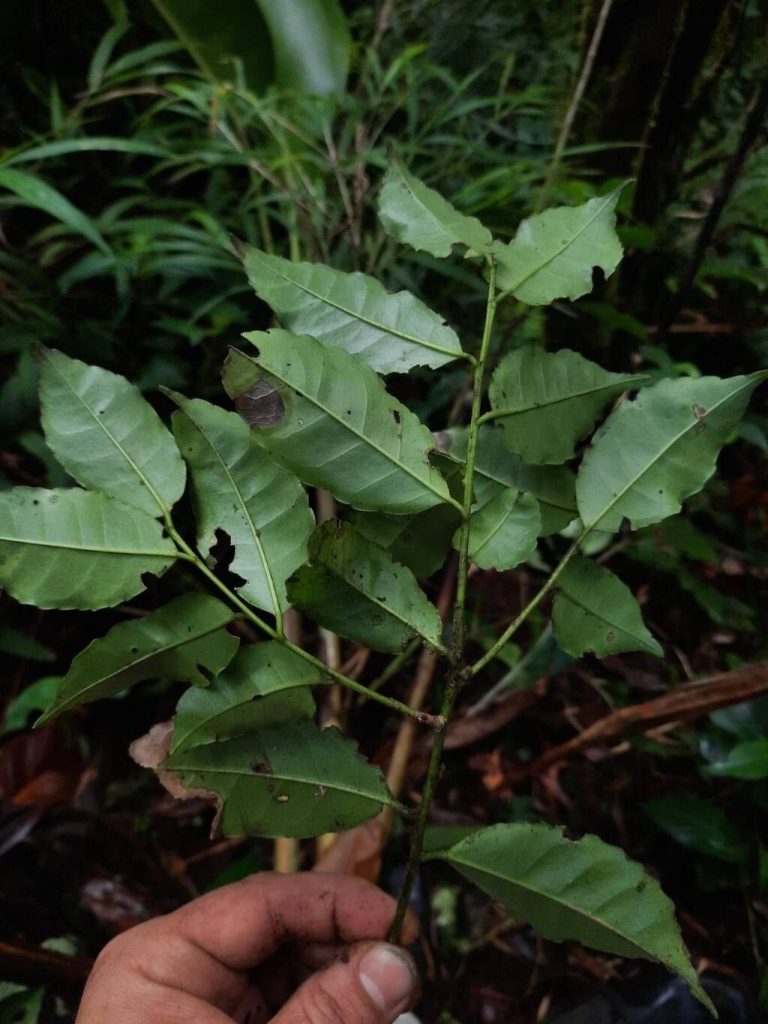
Propagating Ilex lamprophylla: A Gardener’s Guide to the Shining Holly
Introduction:
Ilex lamprophylla, commonly known as the Shining Holly or sometimes the Sichuan Holly, is a prized shrub amongst gardeners for its striking glossy foliage and attractive red berries. Its evergreen nature and relatively compact growth habit make it a versatile choice for hedges, borders, or as a standalone specimen. However, propagating this beautiful plant presents some unique challenges. While its beauty is readily apparent, successfully multiplying Ilex lamprophylla requires patience, precision, and a thorough understanding of its propagation needs. Unlike some hollies, its propagation isn’t uniformly straightforward.
Seed Germination:
Currently, there are no known reliable methods for seed germination propagation of Ilex lamprophylla. While seeds may technically be viable, the germination rate is extremely low, and seedlings, even when obtained, are often slow to develop and prone to disease. The complex dormancy requirements of the seed are likely responsible, and successful germination hasn’t been widely documented or replicated consistently.
Cuttings:
Cuttings offer a far more reliable method of propagating Ilex lamprophylla.
- Challenges: While successful, propagation from cuttings requires careful timing and technique. Hardwood cuttings taken in late autumn or winter show the best results. The difficulty lies in achieving a high success rate, as holly cuttings can be prone to rotting before rooting.
- Tips: Use semi-hardwood cuttings, approximately 4-6 inches long, taken from non-flowering shoots. Dip the cut ends in a rooting hormone to encourage root development. Plant the cuttings in a well-draining propagation mix, such as a perlite and peat moss blend. Maintain consistently high humidity (e.g., using a humidity dome or misting regularly) and bottom heat (around 70-75°F) to stimulate root formation.
- Rewards: Cuttings offer a reliable method of producing genetically identical plants, ensuring the preservation of desirable traits from the parent plant. This method is suitable for smaller-scale propagation by individual gardeners.
Division:
Division is generally not a practical method for propagating Ilex lamprophylla. Its root system is relatively compact and not easily divided without severely damaging the plant and reducing its chances of survival.
Tissue Culture:
Tissue culture offers the potential for large-scale propagation of Ilex lamprophylla.
- Challenges: This method requires specialized equipment, sterile conditions, and a skilled hand. Finding a suitable growth medium and hormonal balance will be crucial for optimal shoot multiplication and rooting. Establishing the protocol is complex and may require significant experimentation.
- Tips: Consult research papers on holly tissue culture, adjusting the protocols (typically involving Murashige and Skoog (MS) media supplemented with plant growth regulators) as necessary for Ilex lamprophylla. Strict adherence to sterile techniques is vital to prevent contamination.
- Rewards: Tissue culture offers an exceptionally efficient and consistent method of mass producing plants, allowing for larger-scale commercial propagation and the potential to produce disease-free plants.
Conclusion:
Propagating Ilex lamprophylla, while challenging, is achievable. While seed germination is not a viable option, cuttings offer a comparatively easier route for home gardeners. However, achieving a high success rate with cuttings requires attention to detail and patience. For large-scale production, tissue culture presents the most efficient method albeit requiring specialized knowledge and resources.
The ultimate reward of successfully propagating Shining Holly lies in the satisfaction of nurturing a plant from a cutting or tissue culture into a thriving specimen. This journey embodies the essence of horticultural dedication: overcoming challenges and witnessing the beauty of nature flourish, ultimately adding a touch of elegance to your garden, a testament to your patience and expertise. For aspiring propagators, don’t be discouraged by the initial difficulties. Start with cuttings, master the techniques, and enjoy the rewards of your efforts!