
Propagating Indigofera bogdanii: A Gardener’s Guide
Introduction:
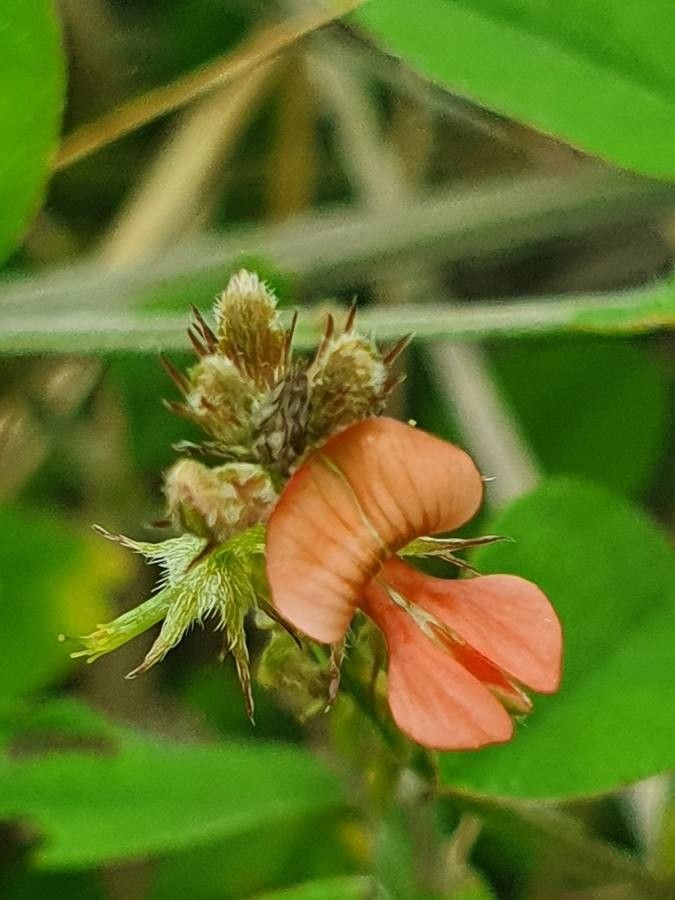
Indigofera bogdanii, also known as Bogdan’s indigo or sometimes simply as a type of false indigo, is a captivating shrub prized for its vibrant, profuse flowering displays. Characterized by its dense, arching branches adorned with a profusion of pink or purplish-pink pea-like flowers, it’s a popular choice among gardeners seeking a drought-tolerant, low-maintenance, and visually striking addition to their landscapes. However, propagating Indigofera bogdanii can present unique challenges, making successful propagation a rewarding endeavor. The plant’s relatively slow growth rate also adds to the appeal of successful propagation methods.
Seed Germination:
Currently, there are no known reliable methods for seed germination propagation of Indigofera bogdanii. While seeds may be produced, their germination rate is exceptionally low, and successful germination, even under optimal conditions, remains largely undocumented. Further research is needed to determine if pre-treatment techniques, such as scarification or specific temperature stratification, could improve germination success.
Cuttings:
Cuttings offer a more reliable method for propagating Indigofera bogdanii.
Challenges: The success rate with cuttings can still be variable depending on the timing and technique. Hardwood cuttings taken in late autumn or winter offer better chances but root slowly.
Practical Tips: Take semi-hardwood cuttings (partially mature growth) in late spring or early summer. Cuttings should be approximately 10-15cm long, with the lower leaves removed. Dip the cut ends in a rooting hormone. Plant the cuttings in a well-draining mix of perlite and potting soil, keeping the environment humid and maintaining consistently moist (but not waterlogged) conditions. A propagation chamber or cloche can aid in humidity regulation.
Rewards: Cuttings offer a quicker method of propagation compared to other techniques and preserve the exact genetic characteristics of the mother plant.
Division:
Division is generally not a viable option for propagating Indigofera bogdanii. The plant’s root system tends to be quite compact and not conducive to being easily divided without causing significant stress and potentially killing the parent plant.
Tissue Culture:
Tissue culture offers a potential, although technically challenging and costly, method for propagating Indigofera bogdanii.
Challenges: Establishing a suitable tissue culture protocol requires expertise in plant tissue culture techniques and sterile laboratory conditions. Finding the appropriate growth media and hormonal balance for successful shoot proliferation and root development is crucial. The process can be time-consuming and requires specialized equipment and materials.
Practical Tips: (This section would require detailed research into specific protocols developed for Indigofera species, which is beyond the scope of this general guide).
Rewards: Tissue culture allows for large-scale propagation of genetically uniform plants, which can be valuable for commercial nurseries or conservation efforts.
Conclusion:
Propagating Indigofera bogdanii presents distinct challenges across different methods. While seed germination currently appears unreliable, cuttings provide a more practical approach for home gardeners, albeit with some attention to detail required. Division is not recommended, and tissue culture offers the potential for large-scale production, but demands specialized knowledge and resources. The rewards, however—the successful cultivation of this stunning plant from a cutting, despite the hurdles—offer a unique sense of accomplishment. The patience and attention required highlight the deep satisfaction of nurturing life, fostering growth, and ultimately enjoying the vibrant beauty of Indigofera bogdanii in your garden. For aspiring propagators, we encourage perseverance; the journey, while challenging, is ultimately worth the effort.