
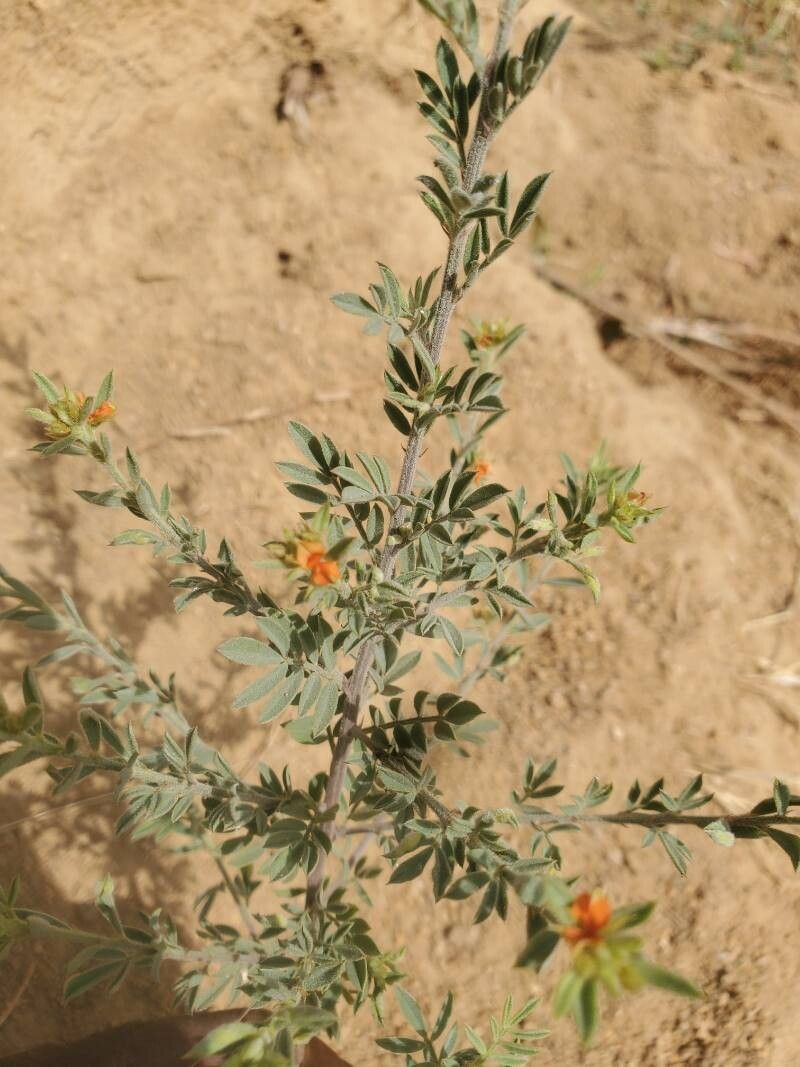
Propagating Indigofera pulchra: A Gardener’s Guide to the Beautiful Indigo
Indigofera pulchra, commonly known as the beautiful indigo or slender indigo, is a captivating shrub prized for its delicate, vibrant pink-purple flower spikes and attractive, feathery foliage. Its graceful form and prolonged blooming period make it a popular choice amongst gardeners seeking a low-maintenance, yet visually striking addition to their landscapes. Its relatively fast growth and tolerance of various conditions further enhance its horticultural appeal; however, propagation can present some unique challenges. This article explores various methods for propagating this desirable plant.
Seed Germination:
Currently, there are no known reliable methods for seed germination propagation of Indigofera pulchra. While seeds may be produced, their germination rate is extremely low, and consistent success has not been reported in horticultural literature. Further research into specific germination requirements, such as scarification or specialized temperature treatments, may be necessary to unlock this propagation method’s potential.
Cuttings:
Cuttings offer a more reliable method for propagating Indigofera pulchra.
Challenges: Success with cuttings relies on proper timing and technique. Using semi-hardwood cuttings taken in late summer or early autumn generally yields the best results. The cuttings need to be taken from healthy, actively growing stems.
Practical Tips: Cuttings should be 4-6 inches long, with the lower leaves removed to reduce water loss. Dip the cut ends in rooting hormone before planting them in a well-draining propagation mix, such as a blend of perlite and peat moss. Maintain high humidity (e.g., using a plastic bag or humidity dome) and consistent moisture, but avoid overwatering, which can lead to rot. Rooting may take several weeks to months.
Rewards: This method offers a relatively quick way to increase the number of plants, ensuring genetic uniformity with the parent plant.
Division:
Division is another viable propagation method, especially for established plants.
Challenges: This method is most effective when the plant is relatively young and its root system is not overly developed. Larger, older plants are more difficult to divide without damaging the root system which can severely hinder survival.
Practical Tips: Carefully dig up the plant, gently separating the root ball into sections, ensuring each division possesses healthy roots and shoots. Replant the divisions in well-prepared soil maintaining similar conditions to the parent plant.
Rewards: Division offers a rapid means to obtain several plants simultaneously while keeping the desirable traits of the parent plant.
Tissue Culture:
Tissue culture offers the potential for large-scale propagation of Indigofera pulchra and the possibility of disease-free plants.
Challenges: Tissue culture requires specialized equipment, sterile conditions, and expertise in plant tissue culture techniques. It is generally more expensive and complex than other propagation methods.
Practical Tips: Establishing aseptic conditions and selecting appropriate culture media are critical for success. The use of plant growth regulators at optimized concentrations is also necessary to stimulate shoot multiplication and rooting.
Rewards: Tissue culture enables mass production of genetically identical plants from a single parent. It also allows for disease elimination and production of plants free from soil-borne pathogens.
Conclusion:
Propagating Indigofera pulchra presents unique challenges across various methods. While seed germination remains unreliable, cuttings and division offer practical approaches for the home gardener, with tissue culture providing a path for large-scale propagation and disease elimination. The rewards, however, far outweigh the effort. The satisfaction of nurturing a cutting into a mature, flowering Indigofera pulchra, or successfully dividing a healthy plant, is a testament to the gardener’s dedication and skill. Don’t be discouraged by the initial hurdles; persistent effort and careful attention to detail will reward you with the beauty and grace of this exceptional plant. Remember that patience and observation are key to successfully propagating this lovely shrub.