
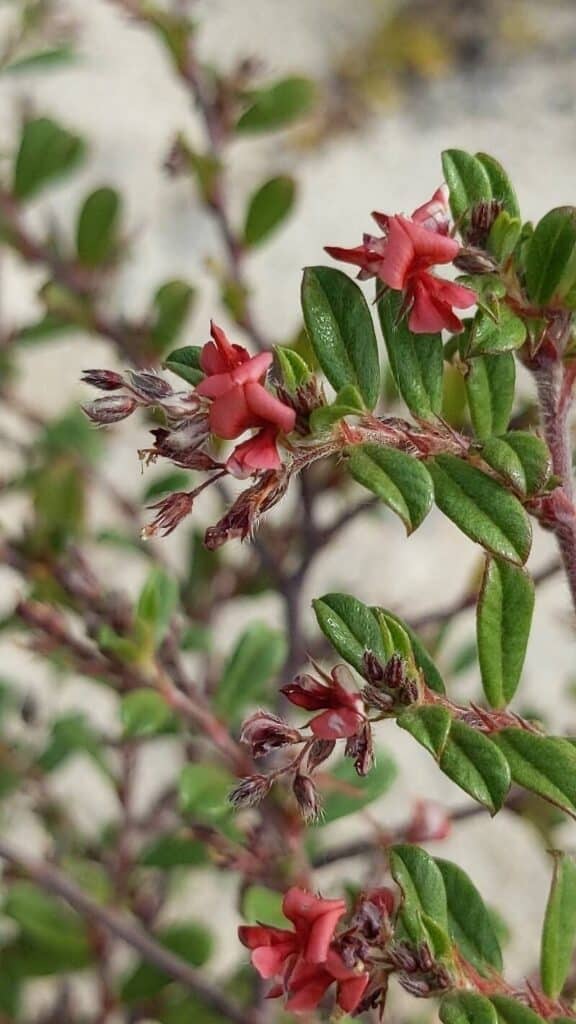
Taming the Thorny Beauty: Propagating Indigofera spinosa
The Indigofera spinosa, also known as the Spiny Indigo or Fishbone, is a tough yet elegant plant that thrives in arid and challenging environments. This captivating shrub, with its delicate silvery foliage and vibrant pink flowers, adds a unique charm to xeriscapes and drought-tolerant gardens. But don’t let its delicate appearance fool you! Propagating this thorny beauty is an adventure in itself, demanding patience and a touch of green thumb magic.
Seed Propagation: A Test of Patience
If you enjoy the anticipation of nurturing a plant from its very beginning, seed propagation is the way to go. However, Indigofera spinosa seeds are notorious for their tough outer coating and slow germination rates. Here’s how you can improve your chances of success:
- Scarification: Gently nick or scratch the seed coat with a nail file or sandpaper. This process, known as scarification, helps water penetrate the seed coat and encourages germination.
- Soaking: Soak the scarified seeds in lukewarm water for 24 hours. This further softens the seed coat and prepares them for sprouting.
- Sowing: Plant the seeds in a well-draining seed starting mix, covering them with a thin layer of soil.
- Patience is Key: Germination can take anywhere from a few weeks to several months. Keep the soil consistently moist but not waterlogged.
Cutting Propagation: A Quicker Route
If you’re aiming for faster results, propagating Indigofera spinosa from cuttings is a more efficient method. Here’s a step-by-step guide:
- Timing is Everything: Take cuttings during the plant’s active growing season, preferably in spring or early summer.
- Selecting the Cuttings: Look for healthy, non-flowering stems that are about 4-6 inches long.
- Preparing the Cuttings: Remove the lower leaves, leaving a few at the top. Dip the cut end in rooting hormone (optional but recommended) to stimulate root development.
- Planting the Cuttings: Fill a pot with a well-draining potting mix. Create a hole with a pencil and gently insert the cutting, burying at least two nodes below the soil.
- Creating a Humid Environment: Cover the pot with a clear plastic bag or humidity dome to create a warm and moist environment for the cutting to root.
- Rooting Time: Cuttings usually take 4-6 weeks to root. Once you see new growth, you can slowly acclimatize the plant to normal conditions before transplanting.
Essential Tips for Success:
- Well-draining soil: Indigofera spinosa is highly susceptible to root rot in soggy soil. Ensure excellent drainage by amending your soil with perlite or sand.
- Plenty of sunlight: This sun-loving plant thrives in full sun to partial shade. Provide it with at least 6 hours of direct sunlight daily.
- Water wisely: While drought-tolerant, consistent watering is essential, especially during the establishment phase. Allow the soil to dry out slightly between waterings to prevent overwatering.
Propagating Indigofera spinosa might require some extra effort, but the reward of seeing this resilient plant thrive in your garden is well worth the wait. So go ahead, embrace the challenge, and add a touch of desert elegance to your landscape with this captivating species.