
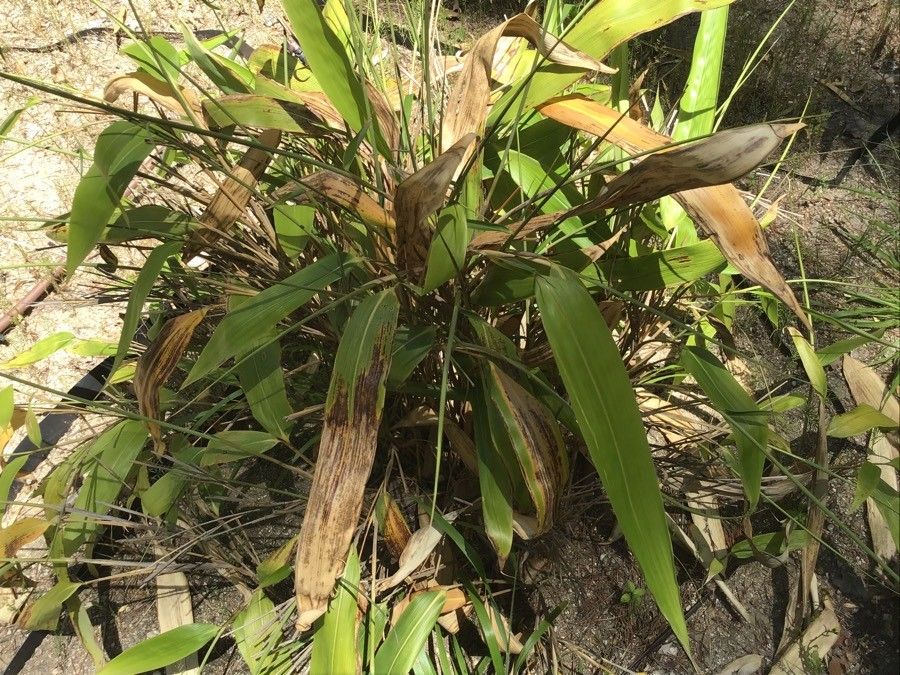
Unleashing the Beauty of Dwarf Ground Bamboo: A Guide to Propagating Indocalamus tessellatus
Indocalamus tessellatus, more affectionately known as dwarf ground bamboo, is a gardener’s dream. This lush, verdant plant, with its cascading foliage and tranquil aesthetic, can transform any space into a serene oasis. But did you know that multiplying this beauty isn’t as challenging as you might think? This guide will demystify the art of propagating Indocalamus tessellatus, empowering you to cultivate your very own bamboo haven.
Understanding the Power of Division:
The most effective and accessible method for propagating Indocalamus tessellatus is through division. This technique involves separating a mature plant into smaller sections, each capable of growing independently. Here’s a step-by-step breakdown:
1. The Right Time is Key:
The ideal time for division is during the plant’s active growing season, typically early spring or early fall. This timing allows the divisions to establish themselves before facing the stresses of extreme temperatures.
2. Digging Deep with Care:
Choose a mature, healthy clump of Indocalamus tessellatus. Using a sharp spade or shovel, carefully dig around the plant, ensuring you’re at least 6 inches from the base. Gently lift the entire clump from the ground, shaking off excess soil.
3. Dividing for Success:
Examine the root structure and identify natural divisions within the clump. Each division should have a healthy mass of roots and at least three to five culms (bamboo canes). You can either gently pull the divisions apart or use a clean, sharp knife to separate them.
4. Replanting Your Treasures:
Prepare your chosen planting site by amending the soil with compost or well-rotted manure for improved drainage and nutrient content. Dig holes slightly larger than the root balls of your divisions. Plant them at the same depth they were originally growing and backfill with soil, gently firming it around the roots.
5. Nurturing the New Growth:
Water your newly planted divisions deeply and consistently, especially during the first few weeks. Mulching around the base of the plants will help retain moisture and suppress weed growth.
Beyond Division: Exploring Alternatives:
While division reigns supreme, Indocalamus tessellatus can also be propagated through less common methods:
- Seed Propagation: Viable seeds are rare, and germination rates can be low. However, if you manage to acquire seeds, sow them in a well-draining seed starting mix, keeping them consistently moist.
- Rhizome Cuttings: This method involves carefully removing and planting sections of the plant’s underground stems (rhizomes). However, success rates can be variable.
Patience is a Virtue:
Propagating Indocalamus tessellatus, like any form of plant propagation, requires patience. It might take a while for your divisions to show significant growth as they establish their root systems. But rest assured, with proper care and attention, your efforts will be rewarded.
By mastering the art of propagation, you’re not just growing plants; you’re cultivating a serene and sustainable sanctuary. So, go ahead, unleash the beauty of dwarf ground bamboo in your own backyard, and enjoy the tranquility it brings.