
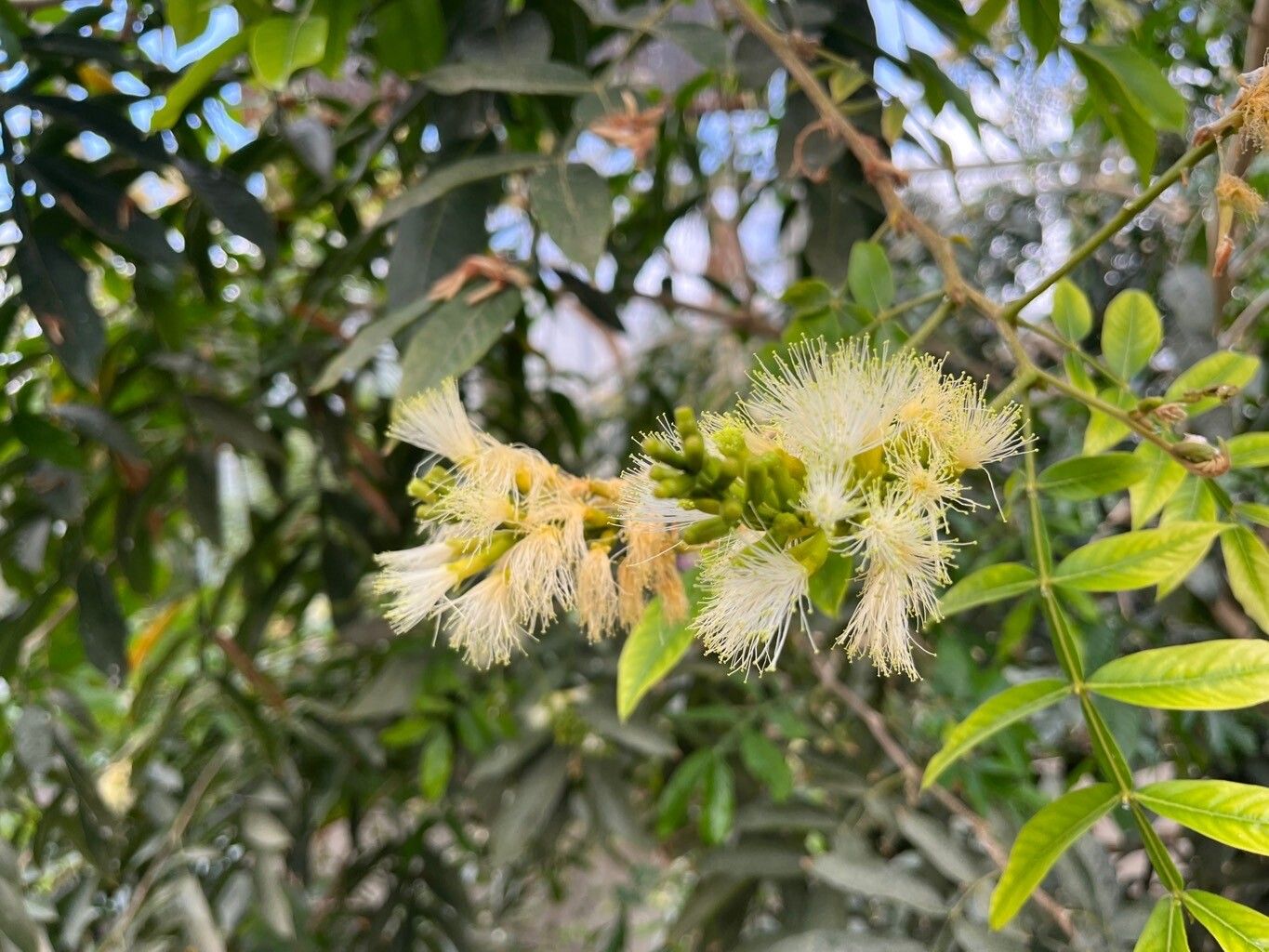
Propagating Inga feuillei: A Gardener’s Guide to the Wild Ice Cream Bean
Introduction:
Inga feuillei, commonly known as the Wild Ice Cream Bean, is a captivating tropical tree prized for its fragrant, edible flowers and the sweet, slightly cotton-candy-like pulp surrounding its seeds. Its attractive foliage and potential use in agroforestry systems contribute to its growing popularity among gardeners. However, propagation presents some unique challenges. While its stunning appearance evokes a desire to share this delightful species, replicating it successfully requires understanding its specific needs. This article explores various propagation methods for Inga feuillei, weighing their successes and challenges.
Seed Germination:
Seed germination for Inga feuillei is viable, but success rates can be variable and require patience.
Challenges: Seed viability is often low and decreases rapidly after seed collection. The hard seed coat can hinder water uptake, leading to delayed or failed germination. Fungal diseases can also be a significant problem.
Practical Tips: Fresh seeds are crucial. Scarification (nicking the seed coat) can improve germination rates. Soaking seeds in warm water for 24-48 hours before sowing can aid hydration. Using a well-draining seed starting mix and maintaining high humidity are essential. A warm, consistently moist environment (around 25-30°C) is ideal. Consider using a fungicide to prevent fungal growth.
Rewards: Seed propagation offers the greatest genetic diversity, allowing for a wider range of plant characteristics. This method is also potentially cost-effective for large-scale propagation.
Cuttings:
Propagating Inga feuillei from cuttings is possible, but generally exhibits low success rates.
Challenges: Hardwood cuttings are unlikely to root successfully. Semi-hardwood or softwood cuttings may show some success but require a high level of humidity and careful management of fungal diseases. The rooting process is slow.
Practical Tips: Use rooting hormone to stimulate root development. Maintain high humidity using a humidity dome or propagation chamber. A bottom heat mat can accelerate rooting. Choose healthy, actively growing stem tips for cuttings.
Rewards: Cuttings create genetically identical plants, ensuring that desirable traits are maintained.
Division:
Division is not a viable propagation method for Inga feuillei. This tree does not naturally produce offshoots or suckers suitable for division.
Tissue Culture:
Tissue culture is a potentially viable method, although specialized knowledge and equipment are required.
Challenges: Establishing aseptic conditions and developing a suitable culture medium are crucial and demanding. The process requires careful monitoring and considerable expertise.
Practical Tips: Sterile techniques are essential to prevent contamination. Finding a suitable nutrient medium that promotes shoot and root development in Inga feuillei may require experimentation.
Rewards: Tissue culture can produce a large number of genetically identical plants in a short period, making it suitable for commercial propagation. This method is also ideal for disease eradication.
Conclusion:
Propagating Inga feuillei presents a range of challenges across all methods. While seed germination offers genetic diversity, it faces issues with viability and fungal diseases. Cuttings offer genetic consistency but display low success rates. Division is not applicable, and tissue culture requires significant expertise. Despite the challenges, the rewards – the possibility of cultivating this beautiful and useful tree – are considerable. The patience and persistence required make the eventual success all the more rewarding, adding a unique layer of satisfaction to the gardening experience. Experimentation, careful attention to detail, and a willingness to learn from setbacks are key to successful propagation of the Wild Ice Cream Bean. Aspiring propagators should start with seed germination, while acknowledging the need for patience and persistence, and consider learning tissue culture techniques for larger-scale propagation.