
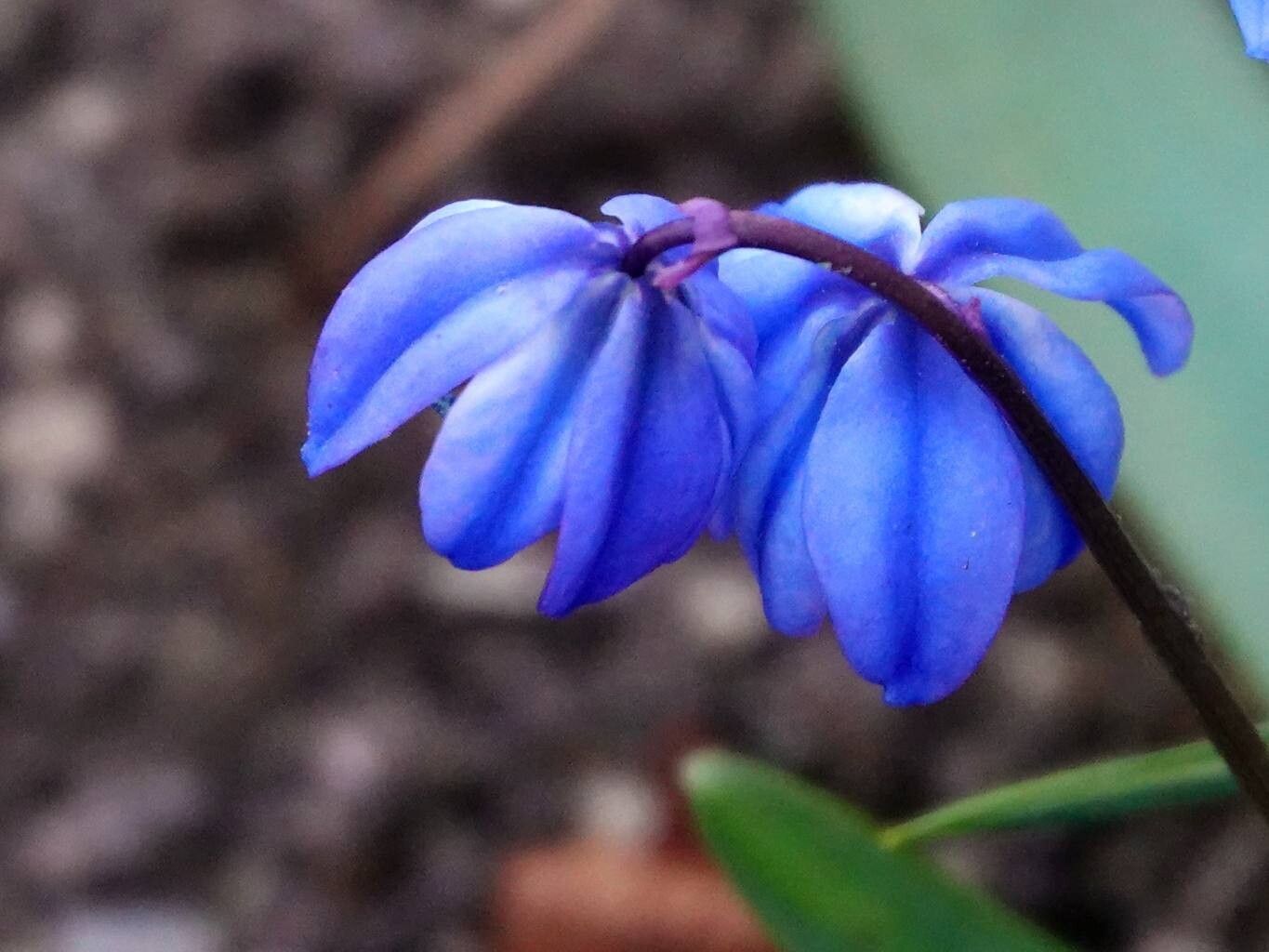
Propagating Siberian Squill (Scilla siberica): A Gardener’s Guide
Introduction:
Scilla siberica, commonly known as Siberian squill, is a charming spring-flowering bulb renowned for its vibrant blue, sometimes white or pink, star-shaped flowers. These diminutive beauties carpet gardens with their cheerful blooms, making them a popular choice among gardeners seeking early season color. Their ease of naturalization and ability to thrive in a variety of conditions further contribute to their appeal. Although relatively easy to grow from bulbs, propagating Siberian squill can present unique challenges depending on the chosen method. This guide explores various propagation techniques, outlining their feasibility and associated difficulties.
Seed Germination:
Seed germination is a viable method for Scilla siberica propagation, though it presents several challenges. The primary challenge is the lengthy germination period, often requiring cold stratification. Freshly collected seeds are ideal; older seeds have significantly lower germination rates.
Challenges: Slow germination, inconsistent results, long juvenile period before flowering.
Practical Tips: Seeds benefit from cold stratification for several weeks to months – ideally, sow outdoors in autumn to allow natural stratification. Sow seeds thinly in well-drained, moist seed starting mix. Keep the mix consistently moist but not waterlogged. Germination typically occurs in spring.
Rewards: High genetic diversity within resulting plants, potential for large-scale propagation, and the satisfaction of cultivating plants from seed.
Cuttings:
Currently, there are no known reliable methods for cutting propagation of Scilla siberica. These plants don’t readily produce stems suitable for successful propagation through cuttings.
Division:
Division is by far the most reliable and practical method for propagating Siberian squill. This involves separating the bulb clusters into individual bulbs or smaller clumps.
Challenges: Timing is crucial; division is best done during dormancy (late summer or early autumn). Care is needed to avoid damaging the delicate bulbs and roots.
Practical Tips: Gently lift the clump of bulbs from the ground. Separate the individual bulbs or smaller clusters, ensuring each has healthy roots and at least one growing point. Replant immediately in well-drained soil.
Rewards: Consistent and reliable results, rapid establishment of new plants, and preservation of the parent plant’s characteristics.
Tissue Culture:
While tissue culture is theoretically possible, it is not a commonly used method for propagating Scilla siberica at home. This technique requires specialized equipment, sterile conditions, and expertise in plant tissue culture techniques. It is primarily used in commercial settings for mass propagation.
Challenges: High cost, specialized equipment and skills, potential for contamination.
Practical Tips: This method is best left to professionals with laboratory facilities.
Rewards: Rapid and large-scale propagation, potential for disease-free plants.
Conclusion:
Propagating Scilla siberica offers a rewarding experience, but the chosen method significantly impacts success rates. Seed germination, though possible, is time-consuming and yields unpredictable results. Cuttings are not a viable option. Division offers the most reliable and accessible method for gardeners. Tissue culture, while promising for large-scale propagation, requires specialized resources. The satisfaction of successfully cultivating Siberian squill, whether from seed or by division, lies not only in the vibrant blooms but also in overcoming the inherent challenges associated with plant propagation, a testament to the gardener’s skill and patience. For most gardeners, the straightforward approach of division will provide the most rewarding experience.