
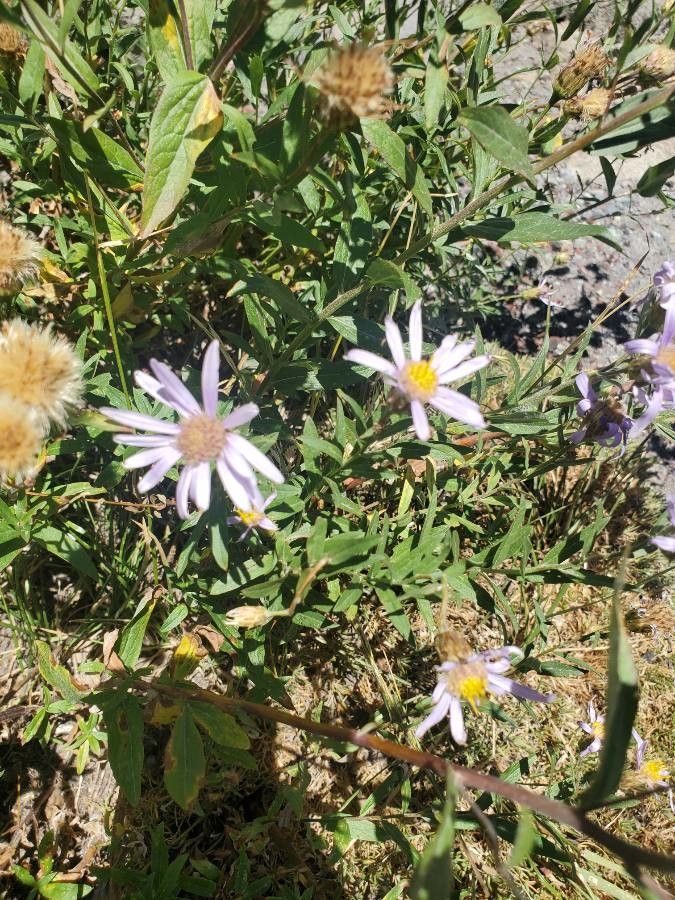
Rockhouse Aster: A Propagation Primer for this Unique Wildflower
The Rockhouse Aster (Ionactis stenomeres) is a charming wildflower native to the eastern United States. With its delicate, daisy-like blooms and preference for rocky, shaded habitats, this lesser-known plant is a beautiful addition to rock gardens, woodland gardens, or even naturalized areas.
While finding Rockhouse Asters at your local nursery might be a challenge, propagating them yourself is an achievable and rewarding process. Here’s a guide to help you successfully propagate this charming wildflower:
Understanding the Options:
There are two primary methods for propagating Rockhouse Asters:
- Seed Propagation: This method requires patience, as it takes longer to see results. However, it is an excellent way to grow a large number of plants and can be a more budget-friendly option.
- Division: This method involves splitting an existing plant to create new ones. It is a faster process than growing from seed and usually yields flowering plants sooner.
Method 1: Seed Propagation
- Seed Collection: Collect seeds from mature Rockhouse Aster plants in the fall. Look for dried flower heads – gently crush them between your fingers to release the small, brown seeds.
- Cold Stratification: Rockhouse Aster seeds require a period of cold stratification to germinate successfully.
- Natural Stratification: You can sow seeds directly in prepared outdoor beds in the fall. The natural winter chill will stratify them.
- Artificial Stratification: If sowing indoors, mix seeds with a bit of damp sand or vermiculite and store them in a sealed bag in the refrigerator for 6-8 weeks before planting.
- Sowing: Sow seeds in well-draining seed-starting mix, lightly pressing them into the surface. Keep the soil consistently moist but not waterlogged.
- Light and Warmth: Place seed trays in a bright location, out of direct sunlight. Maintain a temperature of around 70-75°F (21-24°C) for optimal germination.
- Transplanting: Once seedlings have developed a few sets of true leaves and the threat of frost has passed, they can be transplanted to their permanent location outdoors.
Method 2: Division
- Timing is Key: The best time to divide Rockhouse Asters is in early spring, just as new growth begins to emerge.
- Divide Carefully: Gently dig up a healthy, established plant, ensuring you get as much of the root system as possible. Using a sharp, clean knife or garden shears, divide the plant into sections, ensuring that each section has a good portion of roots and shoots.
- Replant: Replant the divisions immediately, spacing them about 12-18 inches apart. Water them well and keep the soil uniformly moist as they establish themselves.
Cultivation Tips:
- Site Selection: Rockhouse Asters thrive in partial shade to full shade and prefer well-drained, loamy soil. They are adaptable and can tolerate rocky or sandy conditions.
- Watering: While somewhat drought-tolerant once established, regular watering is essential, especially during dry periods.
- Fertilizing: Rockhouse Asters are generally low-maintenance and do not require heavy feeding. Amending the soil with compost before planting should suffice.
- Pests and Diseases: Rockhouse Asters are typically pest and disease-free.
With a little patience and care, you can successfully propagate Rockhouse Aster, adding this charming wildflower’s unique beauty to your garden for years to come.