
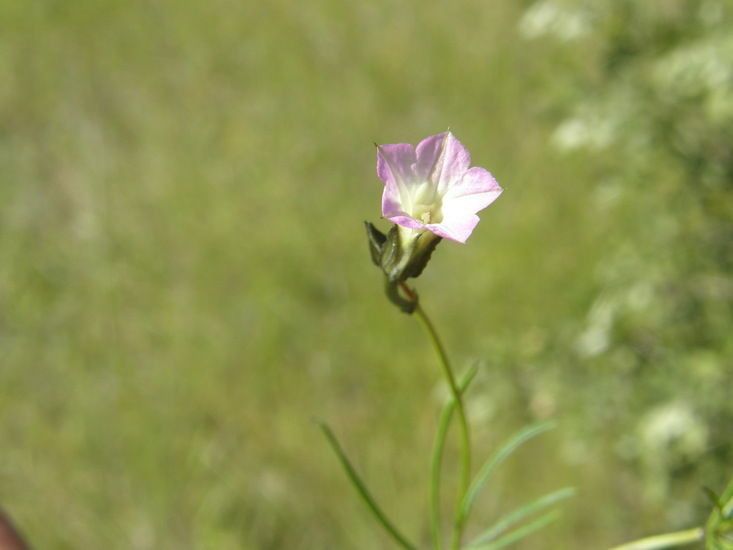
Propagating Ipomoea costellata: A Gardener’s Guide to the Starry Morning Glory
Ipomoea costellata, also known as the Starry Morning Glory, is a captivating vine prized for its delicate, star-shaped flowers that unfurl in the morning sun. Its vibrant colours, ranging from deep purple to pale lavender, and its relatively easy cultivation have made it a favourite among gardeners worldwide. The plant’s vigorous growth habit makes propagation desirable, whether for expanding one’s own collection or sharing this beauty with others. However, propagating Ipomoea costellata presents unique challenges, depending on the chosen method.
Seed Germination:
Currently, there are no known reliable methods for seed germination propagation of Ipomoea costellata. While some Ipomoea species readily germinate from seed, I. costellata appears to be recalcitrant, possibly due to seed dormancy mechanisms or short-lived seed viability. Further research into specific seed treatment protocols (such as scarification or hormonal treatments) might yield results in the future.
Cuttings:
Cuttings offer a viable and relatively straightforward method for propagating Ipomoea costellata.
Challenges: Success relies on taking cuttings from healthy, actively growing stems. Using rooting hormone significantly increases the chances of success. Overwatering can lead to rot, while underwatering will hinder root development.
Practical Tips: Take 4-6 inch long stem cuttings, removing lower leaves. Dip the cut end in a rooting hormone powder and plant in a well-draining propagation mix (e.g., perlite and peat moss). Maintain high humidity (using a humidity dome or plastic bag) and consistent moisture, but avoid waterlogging. Root development typically takes several weeks.
Rewards: Cuttings are a fast and efficient method for creating genetically identical plants, preserving desirable traits. It is a relatively reliable approach compared to alternatives for this species.
Division:
Division is not a practical method for propagating Ipomoea costellata. This vine does not form readily separable crowns or rhizomes suitable for division like some other plants.
Tissue Culture:
Tissue culture offers a sophisticated, albeit complex, method for propagating Ipomoea costellata.
Challenges: This approach requires specialized equipment, a sterile environment, and a detailed understanding of plant tissue culture techniques. Developing an effective protocol for I. costellata would require experimentation to determine optimal media composition and growth regulators.
Practical Tips: Specialized labs undertake this. Successful tissue culture involves sterilizing plant material, culturing on appropriate growth media, and subculturing to produce numerous plantlets.
Rewards: Tissue culture allows for rapid and large-scale propagation, preserving genetic uniformity. It also presents opportunities to eliminate diseases from the parent plant’s stock, creating healthy, disease-free plants.
Conclusion:
Propagating Ipomoea costellata presents significant challenges. While seed propagation currently appears unreliable, cuttings provide a viable option for the home gardener with a reasonable success rate. Tissue culture offers a pathway for large-scale propagation but demands significant expertise and resources. The absence of a reliable seed propagation method underscores the importance of carefully taking and nurturing cuttings to ensure the continuation of this beautiful vine. The rewards of successfully cultivating Ipomoea costellata, however, are well worth the effort. The sight of its delicate, starry flowers unfolding each morning is a testament to the dedication of the gardener, reminding us of the unique satisfaction found in nurturing even the most challenging plants. Don’t be discouraged by the challenges; embrace the learning process, experiment with cuttings, and enjoy the beauty of your flourishing Starry Morning Glory.