
Propagating Viola dacica: A Gardener’s Challenge and Reward
Introduction:
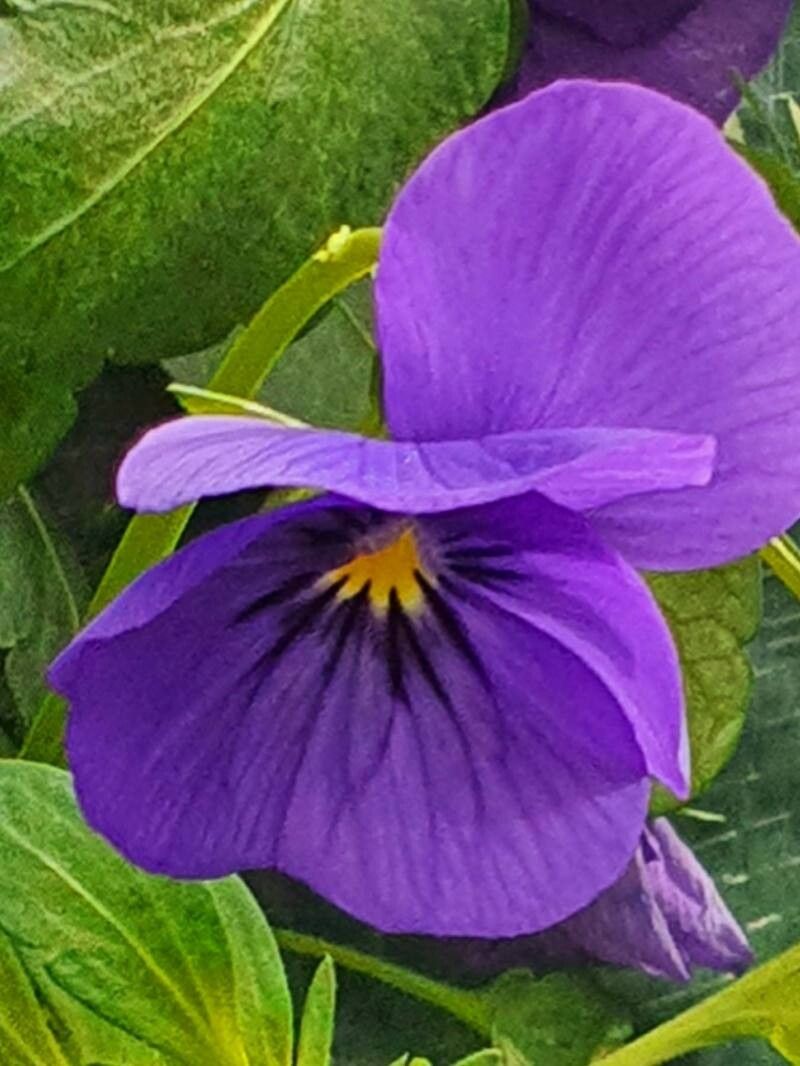
Viola dacica, commonly known as the Transylvanian violet, is a charming, low-growing herbaceous perennial prized for its delicate, often deep violet, flowers and heart-shaped leaves. While not as ubiquitous as some other Viola species, it holds a special place among gardeners attracted to its unique beauty and relative rarity. Its propagation, however, presents several interesting challenges, making successful cultivation a particularly rewarding experience. This article explores the various methods of propagating Viola dacica and assesses their effectiveness.
Seed Germination:
Currently, there are no known reliable methods for seed germination propagation of Viola dacica. While some wild populations may reproduce through seed, controlled germination in horticultural settings has proven difficult. Factors contributing to this challenge may include low seed viability, specific dormancy requirements not yet understood, or difficulties in mimicking the precise environmental conditions found in its native habitat. Further research into the germination requirements of Viola dacica seeds is needed.
Cuttings:
Cuttings present a more promising approach to propagating Viola dacica.
Challenges: The success rate can be variable, depending on the timing, technique, and environmental conditions. Leaf cuttings are less likely to succeed than stem cuttings.
Practical Tips: Softwood cuttings taken in spring or early summer are best. Use a sharp, clean blade to prevent disease. Dip the cuttings in rooting hormone to encourage root formation. Plant cuttings in a well-draining, moist propagation mix, and maintain high humidity using a propagator or plastic bag.
Rewards: Cuttings offer a faster method of propagation compared to division, and preserve the exact genetic characteristics of the parent plant. This is valuable for maintaining specific cultivars or rare forms of Viola dacica.
Division:
Division is a relatively straightforward and reliable method for propagating Viola dacica.
Challenges: Division is only feasible when the plant has established itself sufficiently to have developed multiple crowns. It’s best done during the dormant period (late autumn or early spring). Improper division can damage the plant, impacting its growth.
Practical Tips: Gently dig up the plant and carefully divide the root system, ensuring each division has healthy roots and shoots. Replant the divisions immediately in well-prepared soil, providing consistent moisture until they are established.
Rewards: Division is a simple and effective means of quick propagation, particularly suited for established plants.
Tissue Culture:
Tissue culture presents a potentially efficient method for large-scale propagation of Viola dacica, but it requires specialized equipment and expertise.
Challenges: Establishing sterile conditions and obtaining suitable explant material is crucial. This method requires specialized knowledge and equipment, making it less accessible to the average home gardener.
Practical Tips: Sterilization protocols for both the explant material and the culture medium are crucial. The use of appropriate growth regulators is essential for successful shoot multiplication and rooting.
Rewards: Tissue culture offers the potential for rapid multiplication and virus-free plants, making it valuable for commercial production or conservation efforts.
Conclusion:
Propagating Viola dacica presents challenges across all methods, from the difficulties in seed germination to the technical demands of tissue culture. While division offers a practical approach for established plants, cuttings provide a viable alternative for faster propagation. Tissue culture offers the potential for large-scale production but demands specialized knowledge and infrastructure. Despite these hurdles, the unique beauty and relative rarity of Viola dacica make the effort worthwhile. The satisfaction derived from successfully nurturing these delicate plants, whether from a single cutting or a carefully divided crown, significantly outweighs the initial difficulties. Persistence and attention to detail are key to success in propagating this charming wildflower. Embrace the challenge, and the reward of a thriving Viola dacica will be richly deserved.