
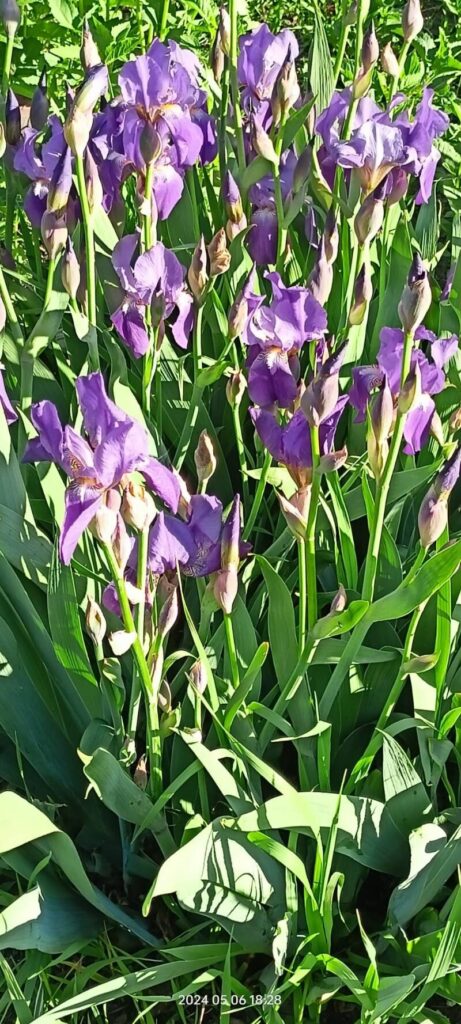
From One to Many: Propagating the Elegant Iris Aphylla
The Iris aphylla, with its striking purple blooms and graceful, sword-like leaves, is a prized addition to any garden. But did you know that this beautiful perennial can be easily multiplied? That’s right, with a little knowledge and a green thumb, you can turn a single Iris aphylla into a flourishing colony, sharing its beauty with friends or expanding your own garden’s splendor.
This blog will guide you through the fascinating world of propagating Iris aphylla, exploring two primary methods: division and seed propagation. Let’s dive in!
Division: The Quickest Route to New Plants
Division is the most common and accessible way to propagate Iris aphylla. This method involves separating the plant’s rhizomes, the underground stems responsible for storing nutrients and producing new growth. Here’s a step-by-step guide:
- Timing is Key: The best time to divide Iris aphylla is in the late summer or early fall, after the plant has finished flowering. This allows the new divisions to establish themselves before winter arrives.
- Carefully Excavate: Gently dig around the Iris aphylla clump, leaving a sizeable ball of soil intact.
- Separate the Rhizomes: Locate the rhizomes, which will resemble knobby, horizontal stems. Using a sharp, clean knife or pruning shears, carefully cut the rhizomes into sections, ensuring each section has at least one healthy growth point and some roots.
- Replant and Water: Plant the separated rhizomes in a well-drained, slightly acidic soil, positioning the top of the rhizome just below the soil surface. Water thoroughly after planting.
Seed Propagation: A Slower but Rewarding Approach
While division offers a quicker route to new plants, seed propagation is a rewarding and slightly more time-consuming method. Here’s how to successfully grow Iris aphylla from seed:
- Harvest Fresh Seeds: Collect the seeds directly from the seed pods after they have ripened and turned brown.
- Stratification is Key: Iris aphylla seeds require a period of cold stratification to break their dormancy. This mimicks the natural winter conditions they experience in the wild. To stratify, mix the seeds with moist vermiculite or peat moss and store them in a refrigerator for 8-12 weeks.
- Sowing Seeds: Once stratified, sow the seeds in a seed tray filled with seed-starting mix. Cover them lightly with soil and keep the mix moist.
- Patience and Care: Iris aphylla seeds can take several months to germinate. Be patient, and provide consistent moisture and indirect sunlight. Once seedlings emerge, thin them out to provide space for healthy growth.
Tips for Success:
- Choose the Right Location: Iris aphylla flourishes in full sun to partial shade and well-drained soil.
- Avoid Overwatering: While consistent moisture is important, avoid overwatering, which can lead to root rot.
- Fertilize Regularly: Feed your iris with a balanced fertilizer during the growing season.
Enjoy the Beauty of Your Propagated Iris Aphylla
By following these tips, you can effortlessly propagate Iris aphylla and enjoy its elegant blooms for years to come. Whether you choose division or seed propagation, this process offers a rewarding way to expand your garden with this beautiful and adaptable plant. So get your hands dirty, embrace the magic of propagation, and watch as your Iris aphylla population blossoms!