
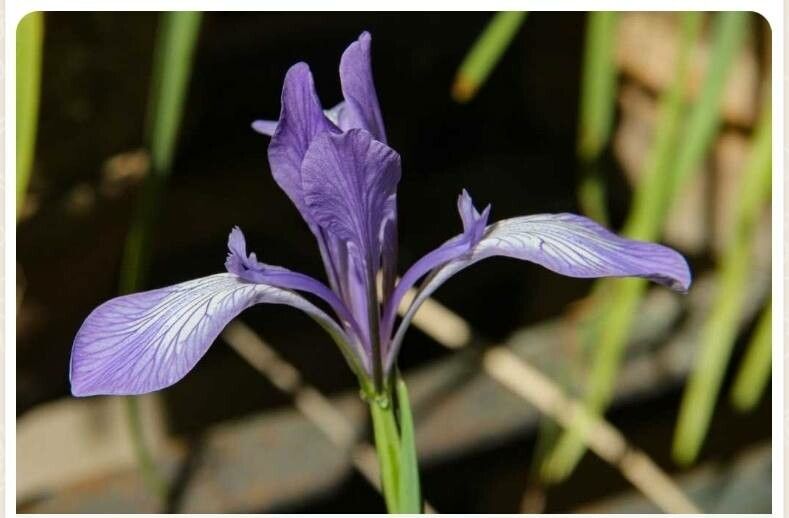
Propagating the California Iris (Iris douglasiana): A Gardener’s Guide
Introduction:
Iris douglasiana, commonly known as the California iris, is a native Californian beauty prized for its vibrant, often bi-colored blooms and graceful, sword-like foliage. Its elegant presence makes it a highly sought-after addition to gardens, particularly those aiming for a naturalistic or drought-tolerant landscape. While readily available from nurseries, propagating Iris douglasiana offers a rewarding challenge for the enthusiastic gardener, providing a deeper connection to this stunning species and potentially contributing to its preservation. However, unlike some irises, propagation isn’t always straightforward.
Seed Germination:
Currently, there are no known reliable methods for seed germination propagation of Iris douglasiana. While seeds are produced, germination rates are notoriously low and unpredictable, even under carefully controlled conditions. The dormancy requirements and specific environmental triggers for successful germination remain largely unstudied and unreliable for consistent results.
Cuttings:
Currently, there are no known reliable methods for propagation of Iris douglasiana via cuttings. This species does not readily root from stem or leaf cuttings.
Division:
Challenges: Division is the most reliable and commonly used method for propagating Iris douglasiana. The main challenge lies in timing – dividing the rhizomes at the right time is crucial for success. Dividing too early or too late can weaken or even kill the plant.
Practical Tips: The best time to divide California irises is after flowering, typically in late summer or early autumn. Carefully lift the rhizome, ensuring you don’t damage the roots. Divide the rhizome into sections, each containing several healthy fans of leaves and a portion of the rhizome. Replant the divisions immediately, ensuring each has adequate soil contact and proper spacing.
Rewards: Division is relatively straightforward once the timing is mastered, offering a reliable way to increase the number of plants in your garden quickly. It’s an effective method for maintaining existing cultivars without introducing genetic variation.
Tissue Culture:
Challenges: Tissue culture propagation of Iris douglasiana is possible but complex, requiring specialized equipment and expertise. Establishing sterile conditions and developing optimal media formulations for successful shoot proliferation and rooting are significant hurdles. The process is labour-intensive and expensive, making it unsuitable for home gardeners.
Practical Tips: Tissue culture is typically undertaken in a laboratory setting by professionals with specialized knowledge of plant tissue culture techniques. It requires aseptic techniques, specialized culture media, and a controlled environment.
Rewards: Tissue culture allows for large-scale propagation of superior cultivars and disease-free plants. This method is crucial for conservation efforts and the rapid multiplication of rare or valuable varieties.
Conclusion:
Propagating Iris douglasiana presents a unique set of challenges, with division proving the most reliable method for home gardeners. Seed propagation and cuttings have proven largely unreliable. Tissue culture holds potential for mass cultivation but demands specialized resources. The rewards, however, are considerable: expanding your collection of these beautiful plants, sharing them with others, and contributing to the preservation of this native species. While the path may be demanding, the satisfaction derived from successfully nurturing a California iris propagated from your own efforts offers a unique feeling of accomplishment that elevates the gardening experience. Don’t be discouraged by the challenges; with patience, the right techniques, and a little persistence, you can enjoy the beautiful results of successfully propagating Iris douglasiana.