
Unleash the Florentine Iris: A Guide to Propagation and Expanding Your Fragrant Garden
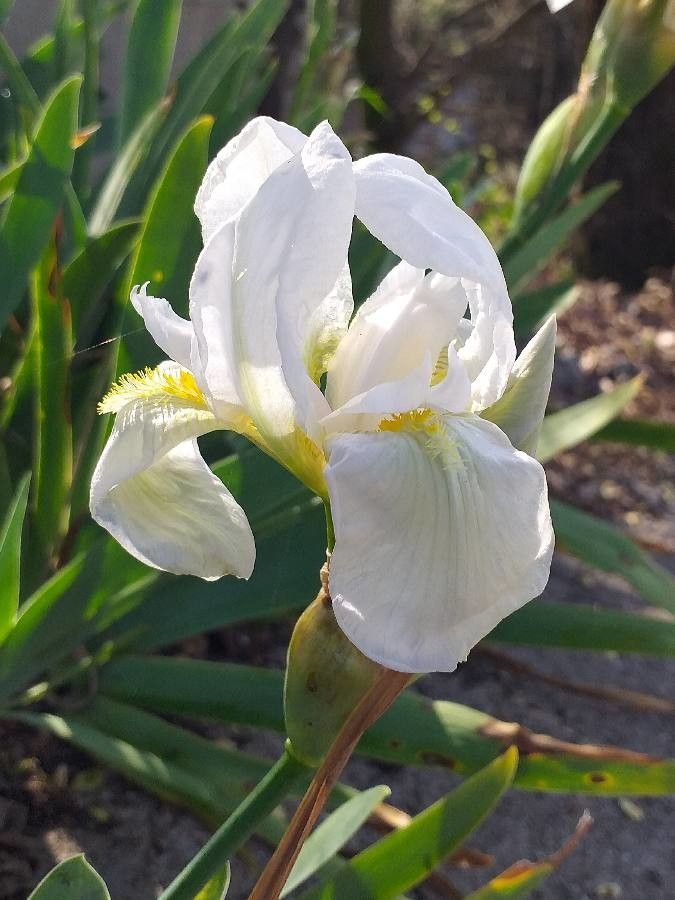
The Florentine iris, Iris florentina, is a captivating beauty. With its sword-like leaves and majestic white flowers adorned with elegant yellow beards, this perennial brightens any garden. But did you know that sharing the joy of the Florentine iris is easier than you think? This guide dives into the world of Iris florentina propagation, giving you the tools to multiply this fragrant wonder.
Division: The Go-To Method for Florentine Iris
The most common and effective way to propagate Iris florentina is through division. This process involves separating sections of established plants, each containing roots and shoots, to create new, independent plants. The ideal time for division is late summer or early fall, after the blooming season. Here’s how:
- Digging Up: Carefully dig around the plant, ensuring you don’t damage the rhizomes (thick, horizontal roots). Gently lift the entire clump from the ground.
- Dividing the Rhizomes: Using a clean, sharp knife or garden shears, divide the clump into sections. Each section should have a healthy fan of leaves and a portion of rhizome with at least one growing point.
- Trimming: Trim back the leaves by about two-thirds. This reduces stress on the newly divided plants and encourages root development.
- Replanting: Choose a sunny location with well-drained soil. Plant the divisions at the same depth they were originally growing, ensuring the rhizome is slightly exposed above the soil level. Water thoroughly.
Seed Propagation: A Journey of Patience
While more time-consuming, propagating Iris florentina from seeds offers a rewarding experience. Here’s what you need to know:
- Seed Collection: Collect ripe seed pods after they turn brown and split open in late summer or fall.
- Seed Preparation: Extract the seeds from the pods and allow them to dry thoroughly.
- Stratification (Optional but Recommended): To mimic winter conditions and improve germination rates, cold stratify the seeds by storing them in a moist medium like vermiculite in the refrigerator for 4-6 weeks.
- Sowing: Sow the seeds in seed trays filled with well-draining potting mix. Lightly press the seeds into the surface and cover them with a thin layer of soil.
- Patience is Key: Germination can take anywhere from a few weeks to a few months. Keep the soil consistently moist but not waterlogged.
- Transplanting: Once the seedlings are large enough to handle, transplant them into individual pots or directly into the garden.
Caring for Your New Iris Plants
Whether you choose division or seed propagation, young Florentine iris plants need proper care to flourish:
- Adequate Sunlight: Provide at least 6 hours of direct sunlight per day.
- Well-Drained Soil: Soggy soil can lead to rot. Amend heavy soils with compost or sand to improve drainage.
- Watering: Water deeply but infrequently, allowing the soil to dry out slightly between waterings.
- Fertilization: In spring, fertilize established plants with a balanced fertilizer to promote healthy growth and blooms.
Propagation: A Gift that Keeps on Giving
Propagating your own Iris florentina is not only a budget-friendly way to expand your garden but also a fulfilling journey that connects you deeply with nature’s ability to renew itself. So, why not give it a try? With a little patience and care, you can create a breathtaking display of these fragrant beauties that will bring joy for years to come.