
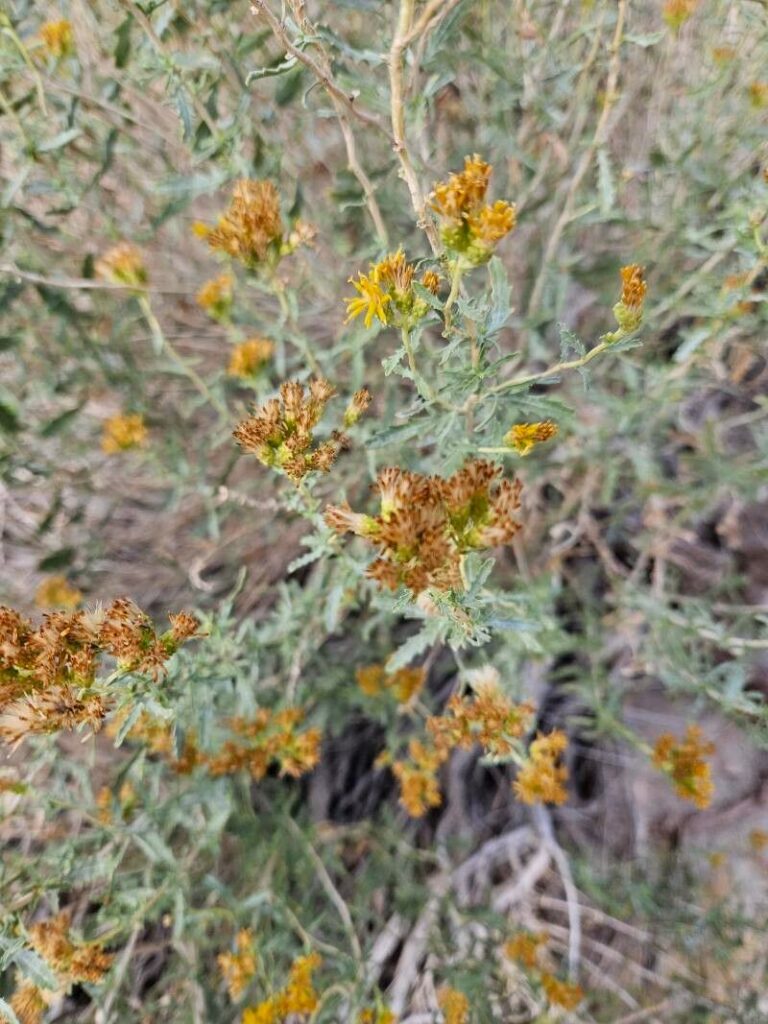
Bringing the Desert Home: Propagating the Showy Goldenbush (Isocoma acradenia)
The Showy Goldenbush (Isocoma acradenia) is a vibrant, statuesque shrub native to the southwestern United States. Its bright yellow blooms and bold, silvery-green foliage create a breathtaking display, making it a popular choice for gardens and landscaping. But beyond its beauty, the Showy Goldenbush is also a hardy plant that thrives in dry conditions, making it perfect for water-wise gardens and xeriscaping.
If you’re captivated by this desert gem and want to share its beauty, you can easily propagate it through cuttings or seeds. This guide will delve into the techniques for each method, ensuring you can watch a new generation of Showy Goldenbush flourish in your garden.
Propagation through Cuttings:
The most common and successful method for propagating Isocoma acradenia is through cuttings. This process involves taking a healthy portion of the plant and encouraging it to develop roots:
- Timing is Key: The best time to take cuttings is in the spring or early summer when the plant is actively growing.
- Select the Right Cuttings: Choose non-flowering stems with at least 4-6 inches of healthy growth. The stem should be firm, not woody. Use a sharp knife or pruning shears for a clean cut.
- Prepare the Cuttings: Remove the leaves from the bottom 2 inches of the stem. Dip the cut end in rooting hormone to promote root development.
- Plant the Cuttings: Fill a small pot with a well-draining potting mix. Make a hole in the center and insert the cutting, burying it up to the leaf node. Water thoroughly.
- Create a Moist Environment: Place the pot in a sheltered location that’s protected from direct sunlight. Cover the pot with a clear plastic bag or dome to maintain humidity.
- Maintain Moisture and Patience: Keep the soil consistently moist, but not soggy. Overwatering can cause root rot. The process of root development takes time, often 4-6 weeks.
- Gradually Introduce to Sunlight: Once the cuttings have developed roots, gradually acclimate them to full sun by removing the plastic cover for increasing durations.
Propagation through Seeds:
While less common than propagation through cuttings, you can also grow Isocoma acradenia from seeds:
- Start Indoors: Sow seeds indoors in late winter or early spring. Use seed trays or pots filled with a light, airy potting mix.
- Sow Shallowly: Gently press the seeds into the soil, no more than a quarter-inch deep, and space them a couple of inches apart.
- Maintain Moisture: Water the seeds thoroughly, ensuring the soil is evenly moist.
- Provide Light: Place the seed trays in a sunny location or under a grow light to encourage germination.
- Thin Out Seedlings: When the seedlings have several true leaves (not the initial cotyledons), thin them out, leaving the strongest ones to grow.
- Transplant Outdoors: When the seedlings have grown to a few inches tall, you can transplant them outdoors to their chosen location.
Choosing the Best Method:
Ultimately, the best propagation method depends on your preference and resources. Cuttings tend to be a faster and more reliable option, while seeds offer greater flexibility and the potential for more plants.
Caring for Your New Isocoma acradenia:
Regardless of the propagation method, your new Showy Goldenbush needs proper care to flourish.
- Well-Drained Soil: Ensure the soil is well-draining to prevent root rot.
- Full Sun: The Showy Goldenbush thrives in full sun, receiving at least 6 hours of direct sunlight per day.
- Drought Tolerance: Once established, this plant is relatively drought tolerant, but occasional watering is necessary, especially during dry spells.
- Minimal Pruning: Regular pruning is not necessary, but you can trim back any overly long branches to maintain the desired shape.
By following these guidelines, you can successfully propagate your own Showy Goldenbush plants and enjoy their vibrant beauty for many years to come. Bringing this resilient desert plant into your garden will not only add a vibrant touch but also contribute to a thriving ecosystem.