
Diving Deep: Exploring the Secrets of Isoetes lacustris Propagation
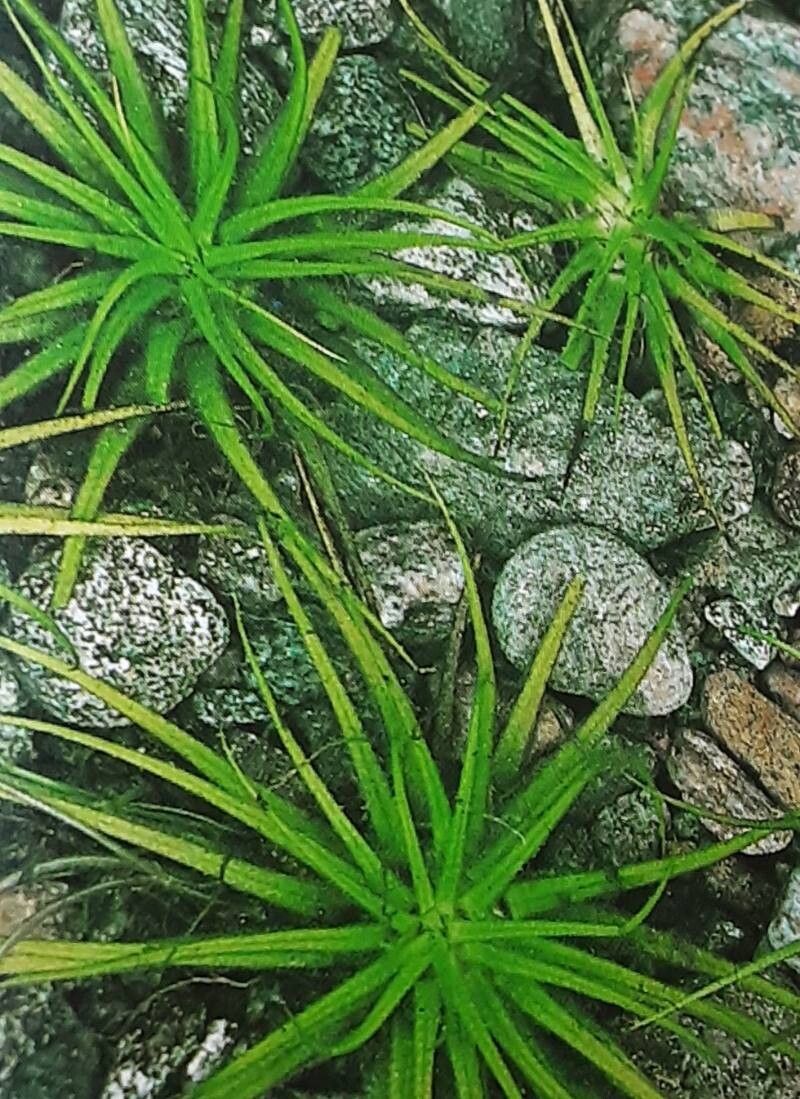
Have you ever gazed upon a serene lake or pond and noticed the tiny, emerald-green tufts clinging to the shallows? These are likely Isoetes lacustris, also known as the Lake Quillwort, a fascinating aquatic plant that thrives in cool, clear waters.
While its captivating beauty is readily apparent, the process of propagating this unique species is a bit more mysterious. Unlike many plants that rely on seeds or cuttings, Isoetes lacustris employs a rather unusual method: spore dispersal. Let’s delve into the fascinating world of Quillwort propagation and uncover the secrets of its survival.
The Mystery of Spores
Isoetes lacustris, like its fern relatives, doesn’t produce flowers or seeds. Instead, it relies on tiny, dust-like spores for reproduction. These spores are produced in specialized structures called sporangia that reside at the base of the leaves.
A Two-Part Process
The journey of a Quillwort spore is an intricate one. First, the megaspores (larger spores) responsible for producing the female gametes are released into the water. These spores, coated in a tough outer layer, patiently await their destiny.
Meanwhile, the microspores (smaller spores) containing the male gametes are also dispersed. Upon contact with water, they release sperm that actively swim towards the megaspore, initiating the fertilization process.
Germination and Growth
Once fertilization is complete, the megaspore develops into a gametophyte, a small, inconspicuous structure that produces the female gamete, the egg. The gametophyte, often anchored to a submerged rock or other substrate, then gives rise to a new sporophyte – the familiar Quillwort plant.
Propagation in Practice
While the concept of spore-based propagation might seem complex, it’s surprisingly easy to replicate. Here’s a simple guide to propagating Isoetes lacustris at home:
- Collect Spores: Carefully gather a handful of mature Quillwort leaves. Look for the slightly darker, swollen portions at the base where sporangia are present.
- Clean Spores: Carefully remove the leaves and gently shake them over a piece of paper to release the spores.
- Prepare the Habitat: Find a shallow container with a layer of gravel or sand. Fill it with a mix of clean water and a small amount of fertilizer for aquatic plants.
- Sow the Spores: Sprinkle the spores evenly across the substrate, ensuring they are well-distributed.
- Maintain Patience: Provide adequate light and watch as the tiny, green shoots emerge over the following weeks or months.
Beyond the Basics
While spore propagation is the primary method for Quillwort reproduction, you can also try dividing mature plants. This involves carefully separating the rhizomes (underground stems) and planting them in a suitable aquatic environment.
Protecting the Quillwort
Although Isoetes lacustris is relatively adaptable, its habitat is facing increasing pressure from pollution and habitat destruction. As responsible nature enthusiasts, we must do our part to conserve this beautiful aquatic species. By understanding the intricacies of its propagation, we can play a vital role in ensuring its continued existence.
So the next time you encounter a Quillwort in its natural habitat, take a moment to appreciate both its beauty and the fascinating life cycle that makes it so unique. Remember, every tiny spore holds the potential for a new generation, reminding us of the interconnectedness and resilience of the natural world.