
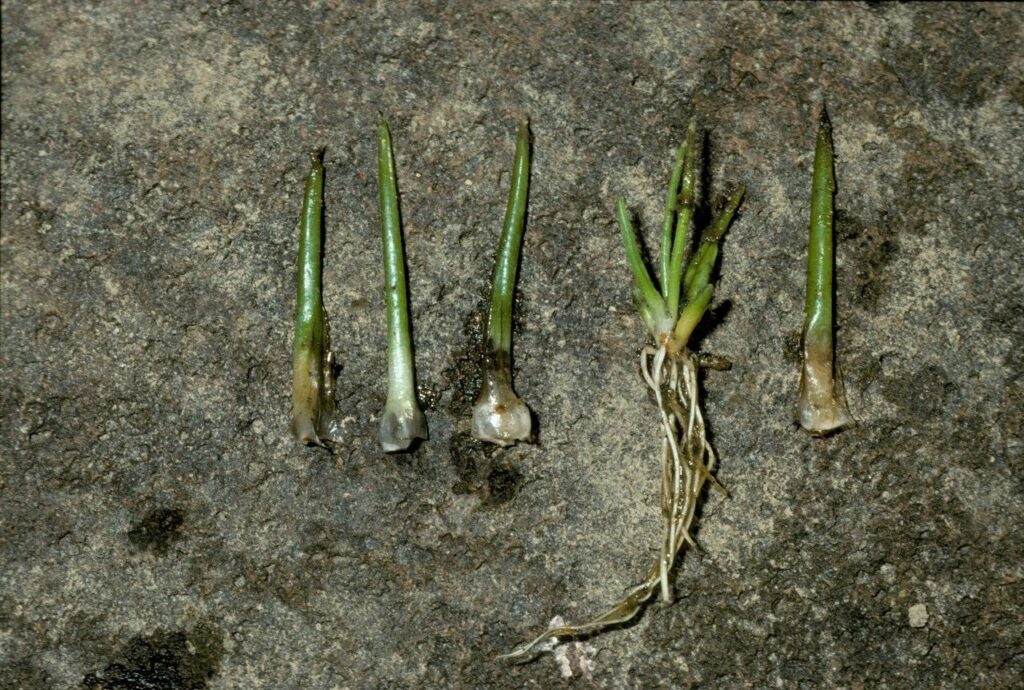
Unlocking the Secrets: Propagating the Rare Isoetes savatieri
The plant world is a treasure trove of diversity, harboring species with intriguing life cycles and unique adaptations. One such botanical gem is Isoetes savatieri, a quillwort species with a captivating, albeit challenging, propagation process. In this post, we’ll delve into the secrets of multiplying this rare plant, empowering enthusiasts and conservationists alike to contribute to its preservation.
Understanding the Quillwort: More Than Meets the Eye
Isoetes savatieri might appear unassuming at first glance. These small, grass-like plants belong to a lineage dating back to the dinosaur era. Native to specific freshwater habitats, they often inhabit seasonal pools, their life cycle intricately tied to fluctuating water levels. Unlike most plants that reproduce through flowers and seeds, quillworts, including I. savatieri, produce spores – microscopic particles responsible for generating new life.
Spore Propagation: A Delicate Dance of Timing and Technique
Propagating Isoetes savatieri from spores presents a rewarding challenge, requiring patience and understanding of the plant’s unique biology. Here’s a step-by-step guide to navigate this intricate process:
1. Spore Collection:
- Timing is crucial. Mature spores are released from specialized structures called sporangia located at the base of the plant’s leaves. Carefully monitor the plants, collecting spores when the sporangia turn brown and release them readily.
2. Spore Preparation:
- Gently clean the spores by removing any debris.
- Surface sterilize them using a dilute bleach solution to prevent fungal contamination.
- Rinse thoroughly with distilled water to remove any remaining bleach.
3. Sowing the Spores:
- Prepare a suitable substrate. A mix of peat moss and sand or a specialized aquatic plant substrate works well.
- Fill small pots or trays with the moist substrate.
- Scatter the spores evenly on the surface without burying them.
4. Creating the Ideal Environment:
- Place the pots in a shallow tray filled with distilled water, ensuring the substrate remains consistently moist through bottom watering.
- Cover the tray with a clear lid or plastic wrap to maintain high humidity, mimicking the plant’s natural habitat.
- Provide bright, indirect light. Direct sunlight can overheat and damage the developing spores.
5. Patience is Key:
- Germination can take several weeks to months.
- Once the spores germinate, small, green growths will emerge.
- Maintain consistent moisture and humidity throughout the early stages.
Challenges and Rewards: A Conservation Perspective
Propagating Isoetes savatieri is not without its hurdles. The specific environmental requirements, slow growth rate, and susceptibility to fungal infections necessitate meticulous care and attention. However, the rewards are invaluable. Successful propagation plays a vital role in conserving this rare and fascinating species, whose natural habitats are facing increasing threats from habitat destruction and pollution.
By mastering the art of quillwort propagation, we contribute to safeguarding biodiversity and ensuring the survival of these ancient and enigmatic plants for generations to come.