
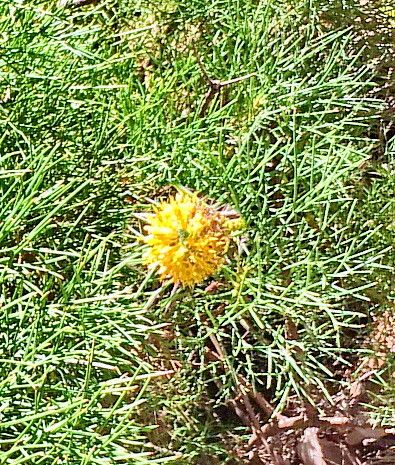
Propagating the Drumstick Isopogon: A Gardener’s Guide to Isopogon anethifolius
Introduction
Isopogon anethifolius, commonly known as the Drumstick Isopogon, is a striking Australian native shrub prized for its unique, needle-like foliage and striking, spherical flower heads reminiscent of drumsticks. Its elegant form and adaptability to various soil types have made it a popular choice among gardeners, particularly those interested in attracting native pollinators. However, propagating this beauty presents some unique challenges, warranting a closer look at the various methods available. Its relatively slow growth compared to some other plants also adds to propagation considerations.
Seed Germination:
Currently, there are no known reliable methods for seed germination propagation of Isopogon anethifolius. While seeds may be produced, their germination rate is notoriously low, and success is largely unpredictable. Further research into seed treatment techniques and optimal germination conditions is needed to determine the feasibility of this method.
Cuttings:
Cuttings offer a more reliable method of propagating Isopogon anethifolius than seed germination.
Challenges: The process can be slow, with rooting taking several weeks or even months. The use of rooting hormone is highly recommended to increase success rates. The cuttings are prone to fungal infections if not kept in a sterile and well-ventilated environment.
Practical Tips: Semi-hardwood cuttings taken in late spring or early summer are generally most successful. Cuttings should be approximately 10-15cm long, with the lower leaves removed. Dip the cut ends in a rooting hormone powder before planting them in a well-draining propagation mix (e.g., a blend of perlite and vermiculite). Maintain high humidity by covering the cuttings with a clear plastic dome or bag. Regular misting is crucial to prevent desiccation. A temperature range of 20-25°C is ideal.
Rewards: Cuttings offer a direct route to obtaining genetically identical plants to the parent plant, ensuring the desirable characteristics are replicated. This method is also suitable for smaller scale propagation efforts in home gardens.
Division:
Division is not a practical method for propagating Isopogon anethifolius. This plant doesn’t readily produce offshoots or suckers that can be easily separated and replanted.
Tissue Culture:
Tissue culture offers the potential for large-scale propagation of Isopogon anethifolius, overcoming the limitations of other methods.
Challenges: Tissue culture requires specialized equipment, a sterile environment, and a high level of technical skill. It can also be an expensive method. The development of suitable protocols for Isopogon anethifolius may require significant experimentation.
Practical Tips: Establishing a successful tissue culture protocol would involve selecting appropriate explant material (e.g., shoot tips), developing a suitable nutrient medium, and optimizing growth conditions to promote multiple shoot proliferation and root formation.
Rewards: Tissue culture offers the potential for rapid and large-scale propagation, ensuring the availability of multiple identical plants, and enabling the efficient conservation of rare or endangered genotypes.
Conclusion:
Propagating Isopogon anethifolius presents unique challenges across all methods. While seed germination remains largely unreliable, cuttings provide a relatively accessible, though time-consuming, method for home gardeners. Tissue culture offers the potential solution for larger-scale propagation, yet requires specialized expertise and resources. The rewards, however, are significant: the opportunity to cultivate this beautiful and unique Australian native plant within your own garden, contributing to its preservation and enjoying the satisfaction of overcoming the propagation hurdles involved. The experience serves as a testament to the persistence and dedication required in horticulture, ultimately culminating in a reward worthy of the effort. For those aspiring propagators, we encourage patience, experimentation, and the utilization of the most reliable method available, namely cuttings, to successfully bring the beauty of the Drumstick Isopogon into your landscape.