
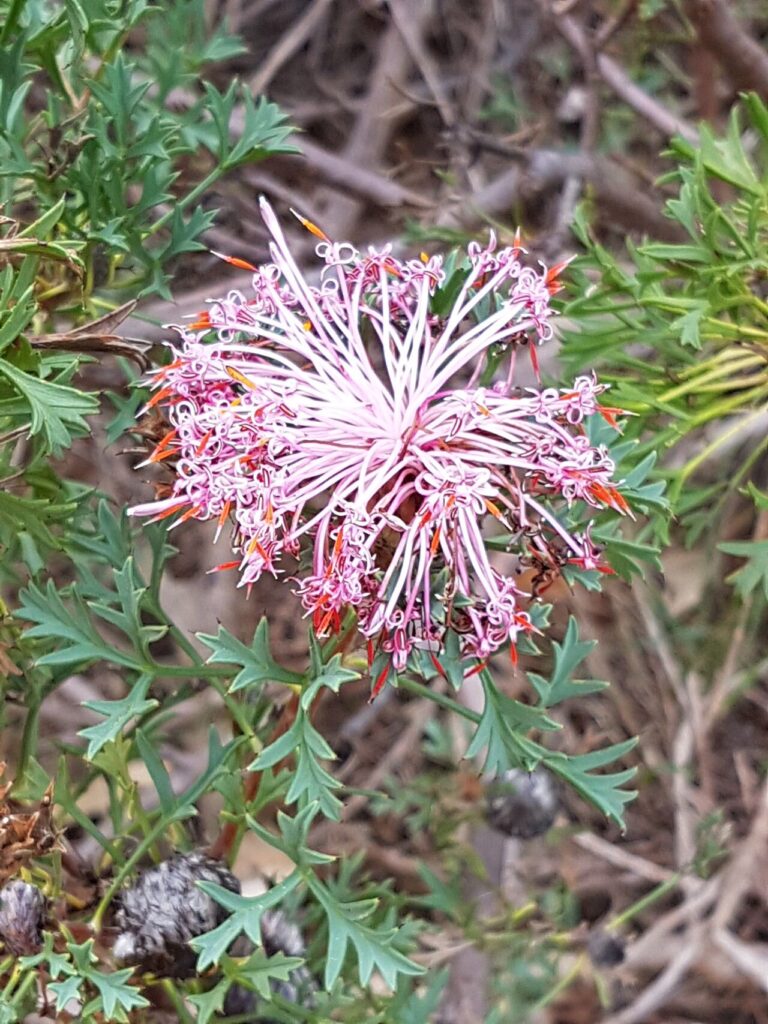
Spreading the Beauty: How to Propagate Your Isopogon Dubius
The Isopogon dubius, also known as the “Drumsticks” or “Conebush,” is a striking Australian native with unique, cylindrical flowerheads resembling, you guessed it, drumsticks. But beyond their beauty, these plants offer a challenge for the gardener: they can be notoriously difficult to propagate. However, with a little patience and the right technique, you can successfully grow new Isopogon dubius plants from seed or cuttings. Let’s get into the nitty-gritty of how to do it!
From Seed to Conebush:
- Harvesting Seeds: The first step is collecting seeds from mature seedheads. Look for brown, dry seedheads, which are ready for harvest after flowering. Gently tap the seedhead into a bowl to release the seeds.
- Seed Preparation: Isopogon dubius seeds have a hard seed coat that prevents germination. To overcome this hurdle, scarification is necessary. This involves gently rubbing the seeds on sandpaper or using a sharp knife to nick the seed coat.
- Sowing: After scarification, seeds can be sown directly into a seed tray or pot filled with a seed-raising mix. Keep the soil moist and ensure good drainage. Cover the seeds with a thin layer of soil and place the tray in a bright, sunny location.
- Germination: Isopogon dubius seeds are slow to germinate, taking anywhere from several weeks to a few months. They require warm temperatures, around 20-25°C (68-77°F), for optimal germination.
- Transplanting: Once the seedlings have a few true leaves, you can carefully transplant them into individual pots. Ensure you handle them delicately to avoid damaging their fragile roots.
The Art of Cuttings:
- Timing is Key: The best time for propagating Isopogon dubius from cuttings is in spring or autumn. This is when the plant is most active and enjoys ideal conditions.
- Cuttings Selection: Choose healthy, young stems with about 10-15 cm (4-6 inches) of growth. Make a clean cut just below a node, ensuring it has a few leaves attached.
- Hormone Treatment: Dip the cut end of the stem in a rooting hormone powder or solution. This will encourage root development.
- Planting: Insert the cuttings into a well-draining potting mix, making sure to cover the nodes below the soil level. Maintain a consistently humid environment by covering the pot with a plastic bag or dome.
- Patience and Persistance: As with seeds, Isopogon dubius cuttings require patience. It can take several months for roots to develop.
Beyond Basics: Tips for Success:
- Sunlight: Isopogon dubius thrives in full sun. Ensure your chosen location offers at least 6 hours of direct sunlight daily.
- Watering: Water consistently, but avoid overwatering. Allow the soil to dry slightly between waterings to prevent root rot.
- Drainage: Good drainage is crucial. Ensure your chosen pot has drainage holes and that the soil is well-draining.
- Fertilizer: Fertilize your Isopogon dubius with a balanced fertilizer during the growing season, but avoid over-fertilizing.
A Final Word:
Propagating Isopogon dubius requires some dedication and attention, but the satisfaction of successfully growing a new plant from seed or cutting is well worth the effort. With a bit of patience and perseverance, you can enjoy the unique beauty of the “Drumsticks” for years to come in your garden. So, don your gardening gloves and get ready to spread the beauty of the Isopogon dubius!