
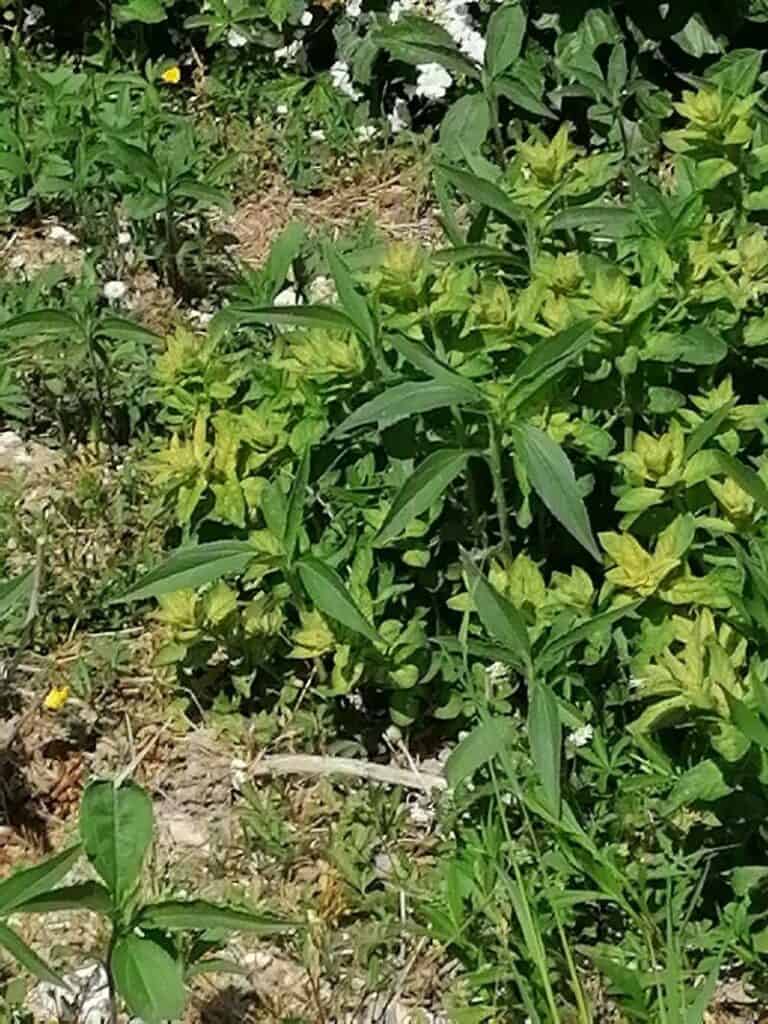
Unearthing the Past: Propagating Ancient Sumpweed (Iva annua)
You might be surprised to find yourself looking into the propagation of a plant often considered a weed – Iva annua, more commonly known as ancient sumpweed or marsh elder. However, this unassuming plant holds a fascinating history, being a key part of the Eastern Agricultural Complex and a staple food source for Native Americans thousands of years ago.
Today, whether you’re a history enthusiast, an experimental gardener, or simply curious about reviving ancient crops, learning to propagate ancient sumpweed can be a rewarding experience.
Understanding the Plant:
Before delving into propagation, let’s understand the plant itself. Iva annua is an annual plant native to North America. It typically grows between 3 to 6 feet tall, with serrated lance-shaped leaves and inconspicuous greenish-yellow flowers that bloom in late summer. While its allergenic pollen receives less appreciation, the plant produces abundant, nutritious seeds—the very reason it was so valuable to ancient cultures.
Methods of Propagation:
Ancient sumpweed thrives in full sun to partial shade and prefers moist, well-drained soil. While adaptable, it flourishes in fertile grounds, much like its modern relatives, sunflowers and ragweed. Here’s how you can propagate it:
1. Direct Sowing:
- Timing is Key: The optimal time to sow seeds directly outdoors is after the last frost, typically in spring.
- Prepare the Soil: Ensure your planting area receives ample sunlight. Loosen the soil and remove any existing weeds to reduce competition.
- Sowing: Plant the seeds about half an inch deep and roughly 12-18 inches apart. Water the area gently.
- Thinning: Once the seedlings reach a few inches tall, thin them to leave the strongest plant every 18-24 inches.
2. Starting Indoors (Optional):
- Starting Early: You can get a head start by sowing seeds indoors 4-6 weeks before the last expected frost.
- Seed Trays: Utilize seed trays or biodegradable pots filled with seed-starting mix.
- Transplanting: Once the seedlings are a few inches tall and the danger of frost has passed, transplant them outdoors, spacing them as mentioned above.
Caring for Your Ancient Sumpweed:
- Watering: While the plant is somewhat drought-tolerant once established, regular watering, especially during dry spells, is essential for optimal growth and seed production.
- Weeding: Keep the area around the plants weed-free to avoid competition for resources. Mulching can help retain soil moisture and suppress weed growth.
- Fertilization: While not mandatory, amending the soil with compost or a balanced fertilizer at the time of planting can encourage healthy growth.
- Pests and Diseases: Ancient sumpweed is generally pest-resistant. However, keep an eye out for common garden pests and address them as needed.
Harvesting and Beyond:
As the plants mature and the flowers fade in late summer or early fall, the seeds will ripen. You can harvest the seed heads once they turn brown and dry.
- Culinary Uses: Experiment with grinding the seeds into flour for baking or enjoy them roasted as a nutritious snack.
- Seed Saving: Preserve some of your harvest to sow the following year and continue the legacy of this fascinating plant.
Propagating ancient sumpweed is relatively easy, making it a great option for both beginner and experienced gardeners. Beyond the satisfaction of successful cultivation, you connect with a piece of ancient history, appreciating the ingenuity of civilizations past and the versatility of the plant world.