
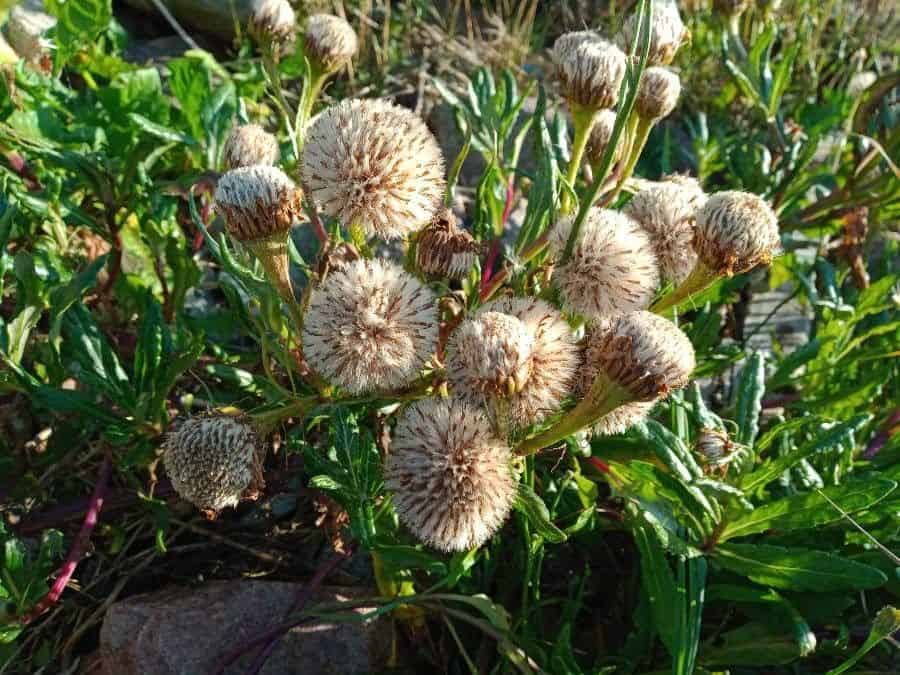
Taming the Seaside Daisy: Propagating Jacobaea pseudoarnica
The Jacobaea pseudoarnica, also known as the seaside ragwort or sea-beach groundsel, is a captivating sight along the coasts. Its vibrant yellow blooms and robust structure despite the harsh coastal conditions make it a fascinating plant to admire. For those charmed enough to want a bit of this seaside beauty in their own gardens, the good news is that propagating Jacobaea pseudoarnica, while not commonplace, is achievable with some knowledge and patience.
Understanding the Seaside Daisy
Before diving into propagation, it’s essential to understand the plant. Jacobaea pseudoarnica is a short-lived perennial, often behaving as a biennial. It thrives in sandy, well-drained soils and prefers full sun to partial shade. This plant is naturally found in coastal dunes, salt marshes, and rocky shores, showcasing its resilience and adaptability.
Propagation Methods
While you might come across Jacobaea pseudoarnica in specialized nurseries, propagating it yourself provides a rewarding experience and offers control over the process. Here are two methods that have demonstrated success:
1. Seed Propagation:
- Collection: The optimal time for seed collection is late summer or early fall when the flower heads mature, and seeds turn brown. Collect the fluffy seed heads and store them in a paper bag in a cool, dry place.
- Stratification: Jacobaea pseudoarnica seeds benefit from cold stratification to simulate their natural environment. Mix the seeds with damp sand or vermiculite and store them in a refrigerator (around 4°C) for 4-6 weeks.
- Sowing: In spring, prepare a seed tray or pots with a well-draining seed starting mix. Sow the seeds on the surface and lightly press them down, ensuring they receive light for germination.
- Care: Maintain consistent moisture and warmth. Germination might take 2-4 weeks. Once seedlings develop true leaves, thin them out, providing adequate spacing.
2. Basal Cuttings:
- Timing: The best time for taking basal cuttings is in spring when the plant shows new growth.
- Taking the Cutting: Select healthy, new shoots from the base of the plant. Using a sharp, clean knife or pruning shears, make a cut just below a leaf node. Aim for a cutting that’s around 3-4 inches long.
- Preparation: Remove the lower leaves from the cutting, leaving 2-3 leaves at the top. Dip the cut end in rooting hormone (optional, but recommended) to encourage faster root development.
- Planting: Plant the cuttings in a pot filled with a well-draining potting mix. Ensure the leaf nodes where you removed the lower leaves are buried in the mix.
- Care: Water the cuttings well and maintain a consistently moist environment. Place the pot in a bright location but away from direct sunlight.
Transplanting and Care
Once your seedlings or cuttings have developed a robust root system and show significant growth, they can be transplanted to larger pots or directly into the garden. Choose a sunny location with well-drained soil that mimics their natural habitat. Water regularly, especially during dry periods, but avoid over-watering, as it can lead to root rot.
A Rewarding Endeavor
Propagating Jacobaea pseudoarnica might require some patience and a bit of a green thumb, but the reward of seeing these sunny blooms gracing your garden makes it all worthwhile. By understanding the plant’s natural preferences and following the propagation methods outlined above, you can increase your chances of success and enjoy the unique beauty of the seaside daisy for years to come.