
Propagating the Key West Jacquinia: A Gardener’s Guide to Jacquinia keyensis
Introduction
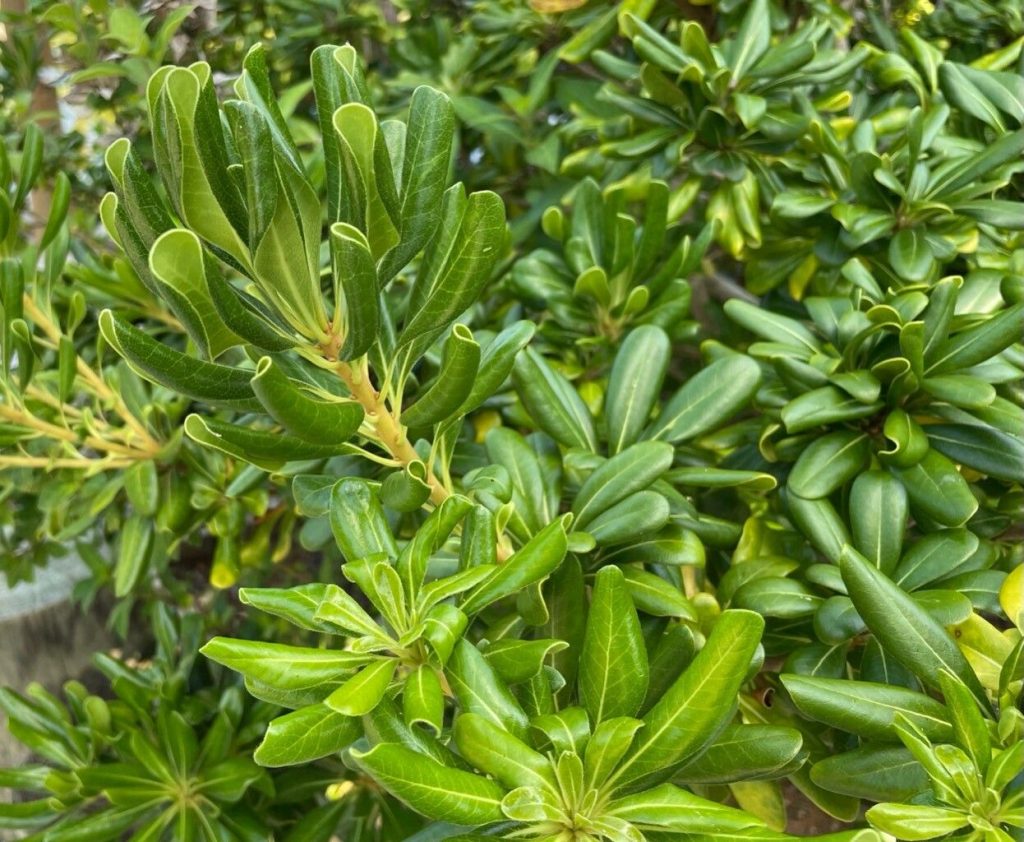
Jacquinia keyensis, commonly known as the Key West Jacquinia, is a captivating evergreen shrub native to the Florida Keys and the Bahamas. Its glossy, leathery leaves and clusters of delicate, white flowers followed by attractive red berries make it a prized possession among gardeners seeking a drought-tolerant, salt-resistant addition to their landscapes. Its relatively slow growth rate and unique beauty contribute to its high desirability, making propagation methods particularly relevant. However, propagating Jacquinia keyensis presents certain challenges, requiring patience and a degree of horticultural expertise.
Seed Germination
Currently, there are no known reliable methods for seed germination propagation of Jacquinia keyensis. While seeds may be produced, germination rates are extremely low, and successful establishment from seed is rarely reported in the horticultural literature. Further research into seed treatment and germination conditions may yield viable methods in the future.
Cuttings
Cuttings offer a more promising approach to propagating Jacquinia keyensis.
Challenges: The relatively slow rooting rate of hardwood cuttings is a significant hurdle. Success often depends on precise timing and optimal conditions.
Practical Tips: Semi-hardwood cuttings, taken in late summer or early autumn from non-flowering stems, typically show the best results. The cuttings should be approximately 4-6 inches long, with the lower leaves removed to reduce water loss. Rooting hormone application, such as IBA (Indole-3-butyric acid), significantly improves rooting success. A well-draining propagation mix, such as a perlite and peat moss blend, is essential. High humidity, achieved through misting or using a humidity dome, is crucial.
Rewards: Cuttings offer a relatively straightforward approach to cloning a desirable mother plant, preserving its specific characteristics. While labour-intensive, it provides a reliable way of multiplying existing plants.
Division
Division is not a practical method for propagating Jacquinia keyensis. This shrub rarely produces suckers or easily separable root divisions making this method unsuitable.
Tissue Culture
Tissue culture offers a potential pathway for large-scale propagation of Jacquinia keyensis, although this method requires specialized equipment, skills, and a sterile environment.
Challenges: Establishing aseptic conditions and selecting optimal culture media are complex and require significant expertise. The process can be expensive and time-consuming.
Practical Tips: Successful tissue culture protocols for Jacquinia keyensis have yet to be widely published. However, research may focus on using nodal segments as explants and experimenting with various growth regulators to induce shoot proliferation and root formation.
Rewards: Tissue culture allows for the rapid multiplication of genetically identical plants from a single source, ideal for commercial applications and mass production of propagation material. This method is also valuable in conserving rare or endangered genotypes.
Conclusion
Propagating Jacquinia keyensis successfully presents unique challenges, with cuttings currently offering the most reliable method for the home gardener. While seed germination remains elusive, and division is impractical, the potential of tissue culture offers exciting possibilities for future propagation on a larger scale. Overcoming these obstacles and witnessing the growth of a healthy, thriving Jacquinia keyensis from a cutting or through tissue culture provides a profound sense of horticultural achievement. The patience required only enhances the satisfaction of successfully cultivating this beautiful and resilient plant. Aspiring propagators are encouraged to experiment with the cutting method, paying close attention to humidity, rooting hormone application, and careful selection of cuttings. The rewarding results are well worth the effort.