
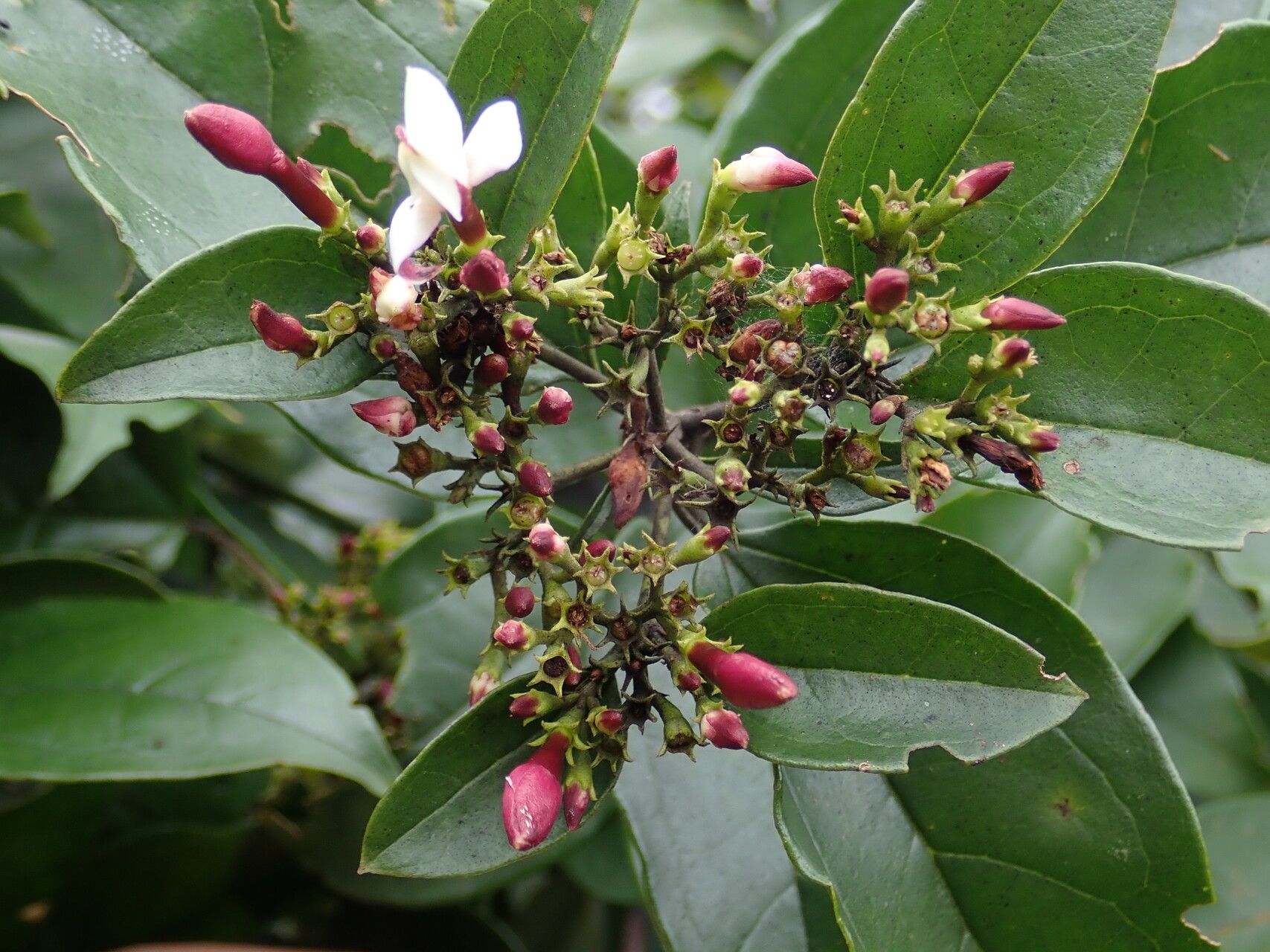
Propagating Jasminum dichotomum: A Gardener’s Guide to the Primrose Jasmine
Jasminum dichotomum, commonly known as Primrose Jasmine, is a delightful, deciduous climbing shrub prized for its profusion of sweetly fragrant, small white flowers. These blooms, appearing in abundance in spring and sometimes again in autumn, make it a highly sought-after addition to gardens worldwide. Its relatively compact size and adaptability to various soil types further contribute to its popularity amongst gardeners. However, propagating this charming jasmine can present unique challenges. This article explores various propagation methods, assessing their viability and offering practical advice.
Seed Germination:
Currently, there are no known reliable methods for seed germination propagation of Jasminum dichotomum. While the plant produces seeds, their germination rate is notoriously low, and success is rarely reported. Further research into specific pre-treatment techniques might be warranted, but at present, relying on seed propagation for Jasminum dichotomum is not recommended.
Cuttings:
Cuttings offer a far more reliable method for propagating Primrose Jasmine. The best time to take cuttings is during the late spring or early summer, when the plant is actively growing.
- Challenges: While relatively straightforward, rooting cuttings can still be challenging. Success depends on maintaining optimal humidity and preventing fungal diseases.
- Practical Tips: Take semi-hardwood cuttings, approximately 4-6 inches long, from the current season’s growth. Remove lower leaves to prevent rot. Dip the cut ends in a rooting hormone powder before planting them in a well-draining propagating mix (e.g., perlite and peat moss). Cover the cuttings with a plastic bag or cloche to maintain high humidity. Place the cuttings in a warm but shaded location. Regular misting is crucial.
- Rewards: Cuttings offer a quick and efficient way to produce genetically identical plants, preserving desirable traits. This method is ideal for propagating a specific cultivar.
Division:
Division is a viable option for propagating Jasminum dichotomum, but only for established, larger plants.
- Challenges: Dividing the root system can stress the parent plant, and improper division can lead to the death of one or both sections. Damage to the roots during division should be minimized.
- Practical Tips: Divide the plant in early spring or fall. Ensure each division has a sufficient amount of healthy roots and several stems. Plant the divisions immediately in well-prepared soil, and water thoroughly after planting.
- Rewards: Division can be a relatively quick method, and it’s less technically demanding than other propagation methods.
Tissue Culture:
Tissue culture offers the potential for large-scale propagation of Jasminum dichotomum. However, this is a highly specialized technique requiring a controlled laboratory environment and considerable expertise.
- Challenges: Establishing a sterile culture and maintaining a healthy growth medium are crucial. Contamination can easily ruin an entire batch. The initial investment in equipment and expertise is high.
- Practical Tips: This method requires specialized knowledge and facilities and is beyond the scope of the average home gardener. Consider contacting a professional tissue culture laboratory for large-scale propagation needs.
- Rewards: Tissue culture offers the opportunity for rapid and large-scale multiplication of plants, allowing for the efficient production of many genetically identical plants.
Conclusion:
Propagating Jasminum dichotomum presents unique challenges, with seed propagation proving unreliable. Cuttings are the most accessible and successful method for home gardeners, whilst division is suited to larger plants. Tissue culture offers potential for large-scale production but requires specific skills and resources. The rewards, however, are well worth the effort. Successfully cultivating a Primrose Jasmine from a cutting or division provides a deep sense of accomplishment, a tangible connection to the plant’s life cycle, and a beautiful fragrant addition to your garden. Don’t be discouraged by initial setbacks; experiment with cuttings, and remember that patience and persistence are key to successful propagation. The sweet scent of your successfully propagated Primrose Jasmine will be a fitting reward for your efforts.