
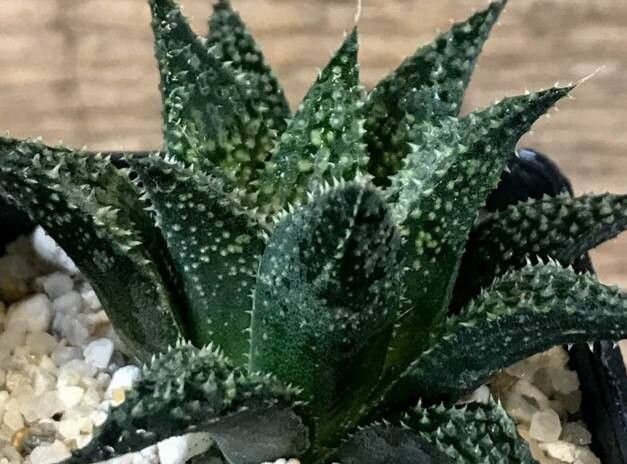
Propagating Haworthia pulchella: A Guide to Cultivating the Star Window Plant
Introduction:
Haworthia pulchella, also known as the Star Window Plant, is a captivating succulent belonging to the Asphodelaceae family. Characterized by its small, rosette-forming leaves adorned with translucent "windows" on their upper surfaces, H. pulchella is highly prized by succulent enthusiasts. These "windows" allow light to penetrate to the plant’s interior, a unique adaptation to harsh, arid conditions. Its compact size and striking appearance contribute to its widespread popularity among gardeners, both beginners and experts. However, propagating H. pulchella presents some unique challenges due to its slow growth and specific needs.
Seed Germination:
While Haworthia pulchella does produce seeds, seed germination is not a commonly employed method for propagation, primarily due to its low germination rate and slow seedling growth. The seeds are extremely small, making handling and sowing difficult. Furthermore, consistent, humidity-controlled conditions are crucial for success. Successful germination often requires specialized setups, including a seed-starting mix with excellent drainage and high humidity levels under controlled temperature and light conditions. Stratification (pre-treatment to mimic winter conditions) may offer slight improvement but is not guaranteed.
Challenges: Low germination rates, small seed size, high humidity requirements, slow seedling growth.
Tips: Use a fine seed-starting mix with excellent drainage, maintain high humidity (e.g., using a humidity dome), provide bright but indirect light, and maintain consistent temperature.
Rewards: Genetic diversity within offspring, potential for large-scale propagation (though unlikely without expertise and controlled environment).
Cuttings:
Leaf cuttings are generally not successful for Haworthia pulchella. The leaves lack sufficient reserve energy to produce roots readily. Offsets produced during the plant’s growth are a far more reliable method.
Challenges: Very low success rate with leaf cuttings, limited offset production in some plants.
Tips: While impractical for leaf cuttings, focus instead on obtaining and nurturing offsets.
Rewards: Relatively simple, once offsets are available, preserving the parent plant’s characteristics.
Division:
Division, separating offsets from the mother plant, is the most practical and reliable method for propagating Haworthia pulchella. Offsets, or “pups,” develop naturally at the base of the mature plant. Once large enough to handle (ideally with a few developed leaves and roots), these offsets can be carefully separated and potted individually.
Challenges: Requires a mature plant with offsets, careful handling to avoid damage to both parent and offspring.
Tips: Use a clean, sharp instrument to separate offsets, allow the cuttings to callous over for a few days before planting, use a well-draining succulent potting mix.
Rewards: High success rate, preserves the genetic characteristics of the parent plant, relatively simple technique.
Tissue Culture:
Tissue culture is a viable method, offering the potential for large-scale, rapid propagation of Haworthia pulchella. This sterile laboratory technique involves growing plants from small tissue samples in a nutrient-rich medium. However, it requires specialized equipment, expertise, and a controlled environment, making it inaccessible to most home growers.
Challenges: Requires specialized equipment, technical knowledge, and a sterile environment; high initial cost.
Tips: Consult with a tissue culture laboratory or professional for assistance.
Rewards: High propagation rates, disease-free plants, potential for mass production.
Conclusion:
Propagating Haworthia pulchella presents different challenges depending on the chosen method. While seed propagation is difficult due to low germination rates, and cuttings are generally unproductive, division offers the most accessible and reliable means for most enthusiasts. Tissue culture presents a highly effective but specialized approach. The inherent slow growth of Haworthia pulchella adds to the patience needed, but the rewarding experience of nurturing a tiny offset into a thriving plant is exceptionally satisfying. The unique beauty and resilience of this little star window plant make the effort well worth it for those willing to embrace the learning process. For beginner propagators, focusing on division using offsets is the best starting point. Remember patience and good husbandry – your perseverance will be rewarded.