
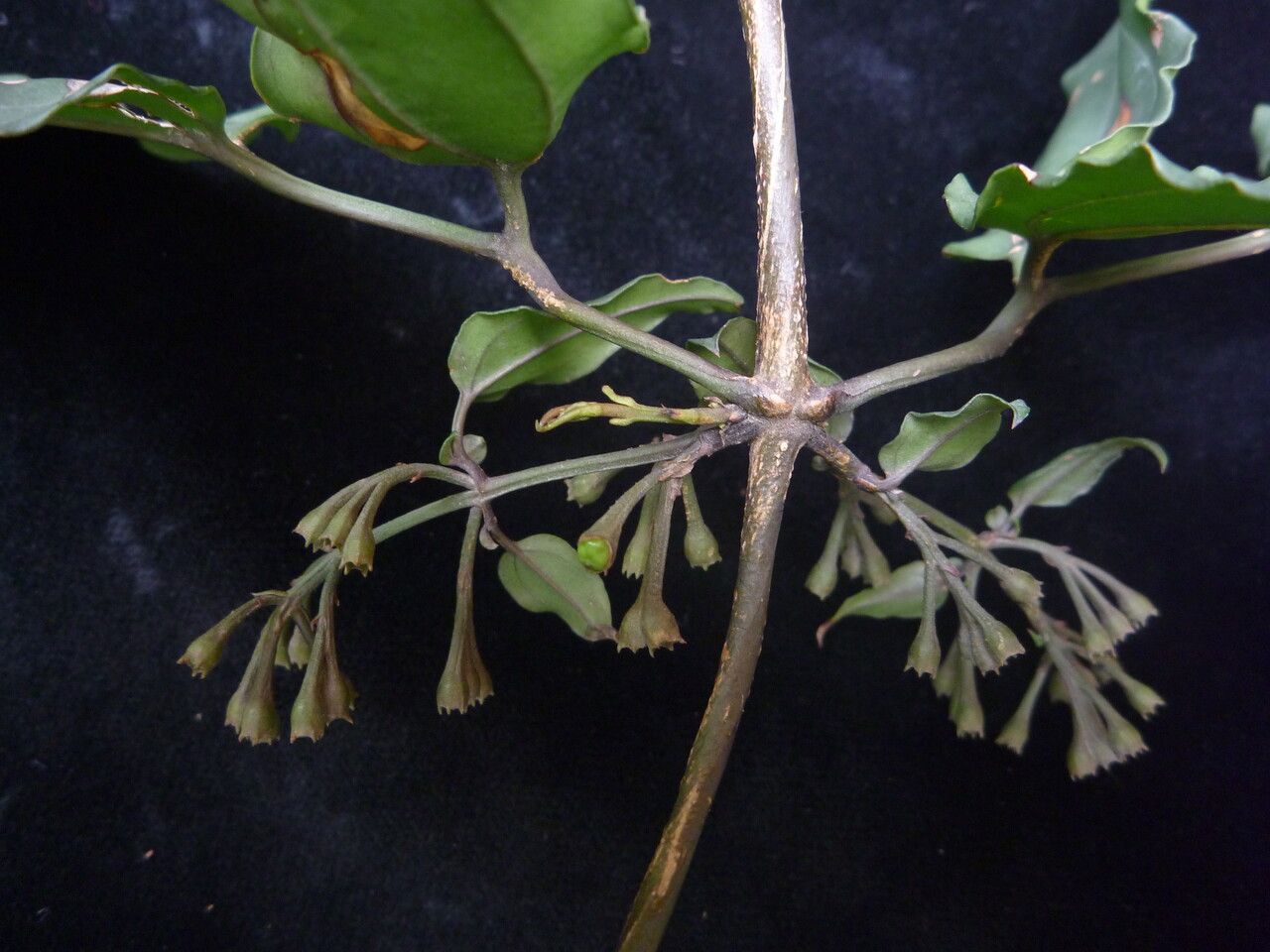
Unlocking the Secrets of Jasmine Dispermum: A Guide to Successful Propagation
Jasmine Dispermum, with its delicate, fragrant blooms and trailing habit, is a beloved choice for gardens and balconies alike. Like many other jasmine varieties, this charming vine can be easily propagated, allowing you to share its beauty and scent with friends or create a flourishing garden of your own.
This guide will delve into the world of Jasmine Dispermum propagation, covering the most effective methods and providing tips to ensure success.
Methods of Propagation:
Two primary methods are commonly used for propagating Jasmine Dispermum:
Taking Cuttings: The most popular and reliable method involves taking semi-hardwood cuttings. This typically occurs during late spring or early summer when new growth has hardened slightly.
- Selection: Choose healthy, non-flowering stems from the current season’s growth. The ideal length is about 4-6 inches, containing at least 2-3 nodes (points where leaves grow).
- Preparation: Using a sharp knife or shears, make a clean cut just below a node. Remove the lower leaves, leaving a couple of sets at the top.
- Rooting Hormone: Dipping the cut end in rooting hormone powder is optional, but it can significantly boost success rates.
- Potting Mix: Plant the cuttings in a light, well-draining potting mix, leaving the top node exposed. Water thoroughly, ensuring the mix is moist but not soggy.
- Environment: Place the pot in a warm, bright location, but avoid direct sunlight. Cover the pot with a clear plastic bag or dome to create a humid environment.
Note: Maintaining consistent moisture and a humid environment is crucial for successful rooting. Mist the cuttings regularly and monitor the potting mix, keeping it slightly damp.
Layering: This method involves gently bending a stem and burying a portion of it in the soil to encourage root formation.
- Choose a Stem: Select a healthy stem that can be easily bent towards the ground.
- Scratch the Bark: Make a shallow scratch on the underside of the stem where it will be buried. This promotes root growth.
- Bury and Secure: Gently bend the stem into the soil, securing it in place with a wire or peg.
- Maintain Moisture: Keep the buried portion of the stem consistently moist by regularly watering.
- Separation: Once roots develop, sever the stem from the parent plant, and pot it up in a separate container.
Tips for Success:
- Timing Matters: Propagating Jasmine Dispermum during the active growing season (spring and summer) yields the best results.
- Water Wisely: Striking a balance between moisture and dryness is crucial. Avoid overwatering, as this can lead to root rot.
- Promote Humidity: Use a propagator dome or plastic bag to create a high-humidity environment for your cuttings.
- Patience is Key: Rooting can take several weeks, so be patient and don’t give up too soon.
- Monitor for Growth: Observe the cuttings for signs of new growth, which indicates successful rooting.
Enjoy Your New Jasmine Plants:
With careful planning and attention to detail, propagating Jasmine Dispermum is a rewarding endeavor. The joy of watching your new plants flourish is a testament to the beauty and accessibility of nature’s magic. Whether you’re growing them for your own garden or sharing them with others, these fragrant beauties are sure to bring a touch of elegance and cheer to any space.