
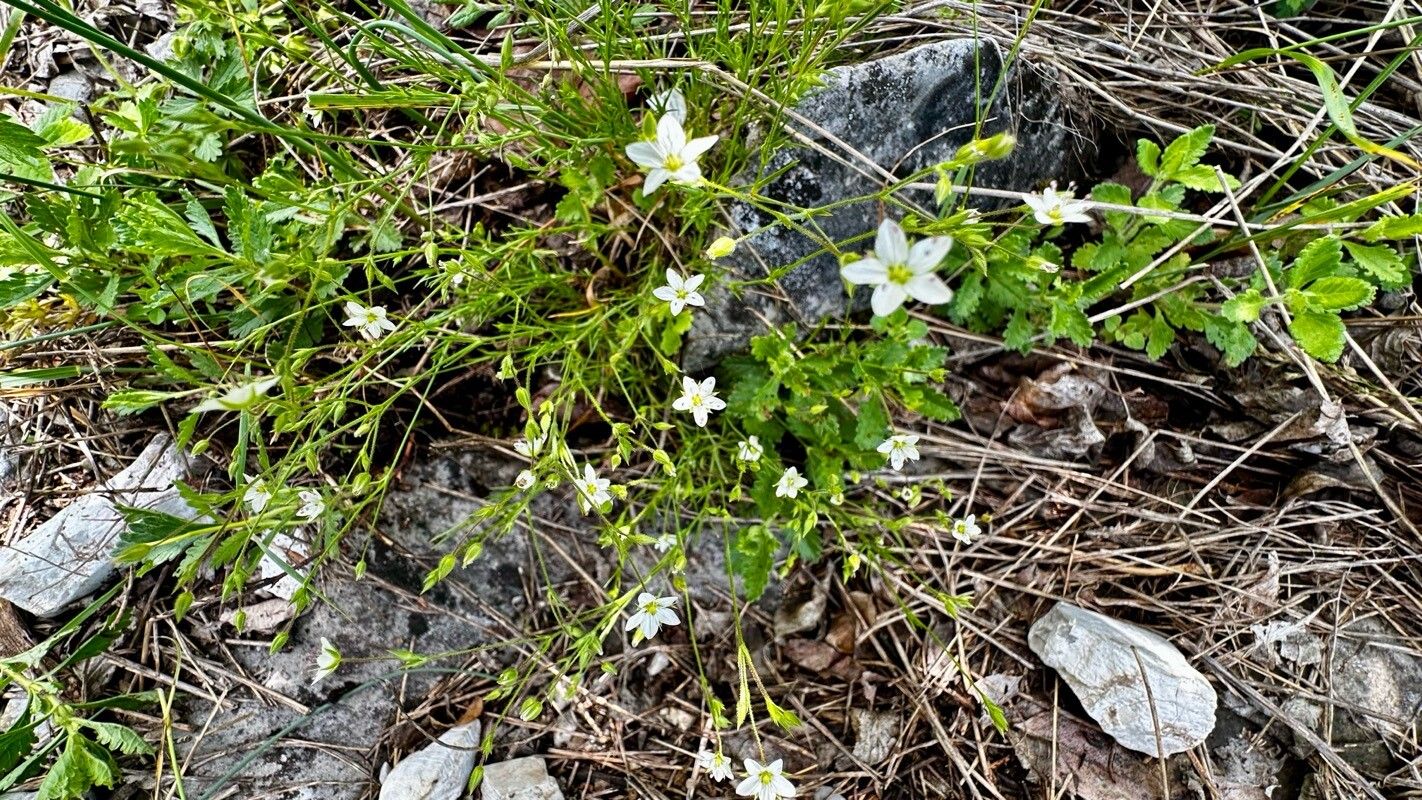
Growing More Minuartia hirsuta: A Guide to Propagation for Gardeners
Minuartia hirsuta, also known as hairy sandwort, adds a delightful touch of delicate charm to any garden with its whimsical white blooms and intricate foliage. But what if you want to share this beauty with others or simply want to expand your own collection? Propagation is the key!
The Joy of Propagation
Propagation is the process of creating new plants from existing ones. It’s a rewarding endeavor that allows you to share your favorite plants with friends, fill your garden with more of what you love, and ultimately, enjoy greater success with your garden. With Minuartia hirsuta, you have a few options for bringing more of this lovely plant into your green space.
1. Seed Starting: A Fresh Start for Minuartia hirsuta
Propagating Minuartia hirsuta from seed is a straightforward process, offering the benefit of starting with fresh, healthy plants. Here’s how:
- Harvest Seeds: Gather mature seedpods from your Minuartia hirsuta plants after the flowers have faded. Ideally, do this when the pods are brown and slightly dry.
- Preparation: Before sowing, allow the seeds to dry in a warm, dry location for a few days. This encourages dormancy, which can aid germination.
- Sowing: Sow seeds in a seed starting mix that provides good drainage. A mix of equal parts sand, perlite, and peat moss works well. You can also use a commercial seed starting mix.
- Conditions: Place the seed tray in a bright location, but avoid direct sunlight. Keep the soil consistently moist but not waterlogged. Germination can take anywhere from a few weeks to a couple of months.
- Transplanting: Once your seedlings have developed a few sets of true leaves, you can carefully transplant them into individual pots or directly into your garden.
2. Division: A Quick and Easy Approach
For an even faster method, you can try dividing your Minuartia hirsuta. This is best done in the early spring or fall, when the plants are actively growing:
- Prepare: Choose a healthy and well-established Minuartia hirsuta plant. Carefully dig it up, being sure to maintain as much of the root system as possible.
- Divide: Carefully separate the plant into smaller clumps, each with its own roots and stems.
- Replant: Immediately replant the divisions in their new homes, making sure the crown of the plant is level with the soil.
- Water Well: Following the division, make sure to water the newly planted divisions thoroughly to help them settle in and begin growing.
3. Cuttings: Unleashing the Potential of Minuartia hirsuta Stems
While less common, propagating Minuartia hirsuta from cuttings is also an option. Here’s how to do it:
- Selection: Take 4-6 inch cuttings from healthy, mature stems with a sharp knife or pruning shears. This is best done during the spring or summer when the plant is vigorously growing.
- Preparation: Remove leaves from the bottom half of the cutting to promote root growth. Dip the cut end of the stem into a rooting hormone to encourage root formation, although this is not strictly necessary.
- Conditions: Plant your cuttings in a mixture of coarse sand or a commercial rooting mix. Keep the soil consistently moist and the cuttings in a location with bright, indirect light.
- Success: Regular misting can also be beneficial, aiding in the creation of a humid environment. It can take several weeks for cuttings to develop roots, but after that, you’ll have a brand new Minuartia hirsuta plant!
Beyond the Basics
When choosing a propagation method, consider the resources available and your level of experience. Seed starting provides a large number of plants, while division and cuttings offer a faster yet smaller yield.
With a little patience and the right approach, propagation can open a world of possibilities for the garden enthusiast. Experiment with different methods and enjoy the thrill of starting your own Minuartia hirsuta plants from scratch, witnessing the beauty that unfolds from a seed or a cutting. Happy growing!