
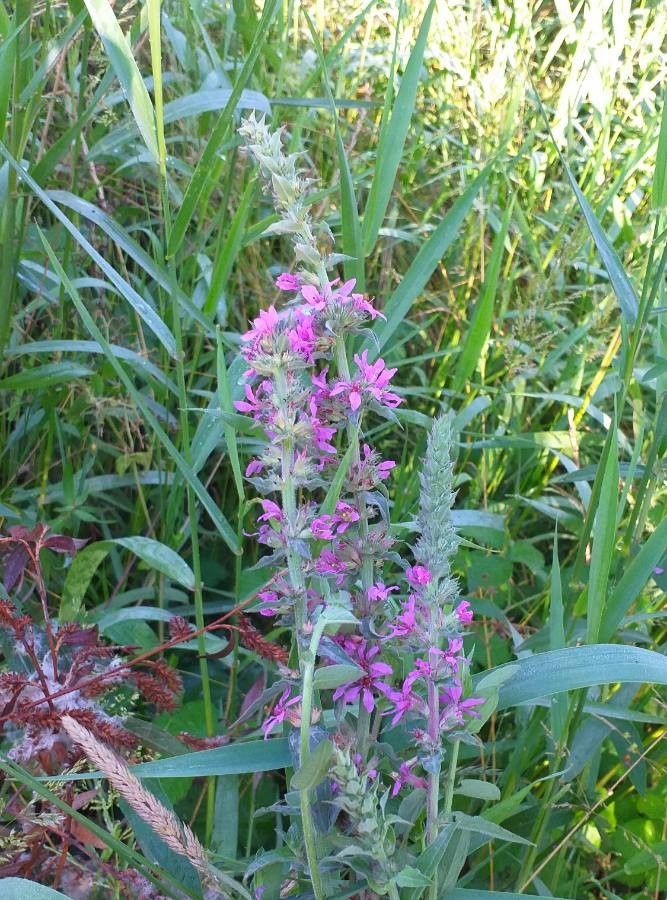
From Swamp Beauty to Garden Gem: Propagating Purple Loosestrife
Purple loosestrife (Lythrum salicaria) is a vibrant, eye-catching wildflower known for its stunning purple spires that bloom throughout the summer. While stunning in the wild, it’s been labelled an invasive species in many areas due to its aggressive spread. But fear not, gardeners! If you’re enchanted by its beauty and want to enjoy it responsibly in your own garden, propagation is the key.
Why Propagate Purple Loosestrife?
- Controlled Growth: Propagation allows you to cultivate purple loosestrife in a contained area, preventing its uncontrolled spread into natural landscapes.
- Enjoy its beauty ethically: By growing it from cuttings, you can enjoy its vibrant blooms without contributing to its invasive potential.
- Cost-effective: Instead of purchasing new plants, you can easily multiply your existing stock for free.
Methods of Propagation
There are several ways to propagate purple loosestrife, offering flexibility based on your needs and experience.
1. Seed Propagation:
- Harvest Seeds: Collect seed pods after they’ve gone brown and dry.
- Stratification: Purple loosestrife seeds require a cold period to germinate. Store them in a damp, cool place (like the refrigerator) for 6-8 weeks.
- Direct Sow: Sow seeds outdoors in the spring after the last frost.
- Start Indoors: For a head start, sow seeds indoors a few weeks before the final frost.
2. Stem Cuttings:
- Take Cuttings: During the summer, snip 4-6 inch cuttings from the non-flowering stems.
- Prepare Cuttings: Remove any lower leaves, leaving a couple of leaves at the top. Make a clean, angled cut at the bottom.
- Root Hormone (optional): Dip the cut end in rooting hormone to promote root development.
- Potting Mix: Plant the cuttings in a well-draining potting mix.
- Keep Moist: Water regularly and make sure the soil stays moist.
- Protect from Sun: Place the cuttings in a shady location or cover them with a clear plastic dome to retain moisture.
- Root Growth: Roots usually form within 4-6 weeks.
3. Division:
- Best Time: Spring is the ideal time for division.
- Dig up the Plant: Carefully dig up the plant, separating it into multiple divisions.
- Replant: Plant the divisions in their new location.
Tips for Successful Propagation:
- Sharp Tools: Use clean, sharp tools to ensure clean cuts and prevent diseases.
- Water Consistently: Provide regular watering while the cuttings root to keep them hydrated.
- Patience: Propagation takes time. Be patient, and you’ll soon see the rewards.
Enjoy the Beauty of Purple Loosestrife Responsibly
By using these propagation techniques, you can create a beautiful, controlled display of purple loosestrife in your garden, all while ensuring you’re not contributing to its invasive potential. Remember, responsible gardening is a rewarding practice, and with a little knowledge and care, you can enjoy the beauty of nature without harming it.