
Propagating Jasminum mesnyi: A Gardener’s Guide to Primrose Jasmine
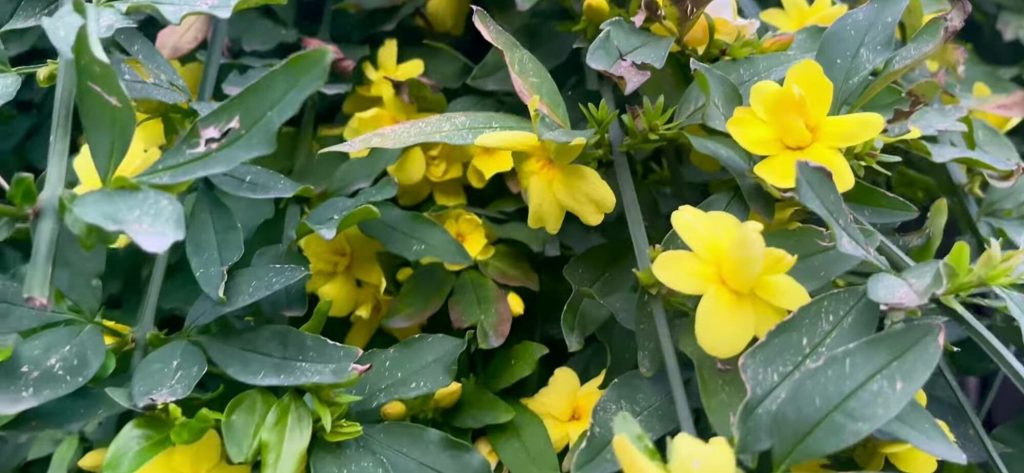
Jasminum mesnyi, commonly known as Primrose Jasmine, is a captivating shrub prized for its abundant, bright yellow, sweetly fragrant flowers that bloom profusely in early spring before the leaves fully emerge. Its relatively compact habit and ease of maintenance make it a popular choice for gardens, patios, and even containers. However, while its cultivation is relatively straightforward, propagating Jasminum mesnyi presents unique challenges depending on the chosen method. This article explores the various propagation techniques, weighing their advantages and disadvantages.
Seed Germination:
Currently, there are no known reliable methods for seed germination propagation of Jasminum mesnyi. While some Jasminum species readily propagate from seed, Primrose Jasmine appears to have low seed viability and germination rates, making this a generally impractical method for most home gardeners.
Cuttings:
This is the most commonly used and reliable method for propagating Jasminum mesnyi.
-
Challenges: While successful, rooting cuttings can be somewhat slow and requires attention to detail. The success rate can vary based on factors such as the age and health of the parent plant, the timing of the cutting, and the environmental conditions.
-
Practical Tips: Semi-hardwood cuttings, taken in late spring or early summer, usually yield the best results. Cuttings should be around 4-6 inches long, with several nodes. Remove lower leaves to prevent rot and dip the cut ends in rooting hormone before planting in a well-draining propagation mix (e.g., perlite and peat moss). Maintain high humidity (using a propagator or covering with a plastic bag) and consistently moist (but not waterlogged) conditions. Bottom heat can significantly increase rooting success.
-
Rewards: Cuttings offer a relatively quick and efficient method for generating new plants that are genetically identical to the parent plant, preserving desirable traits.
Division:
Division of established Jasminum mesnyi plants is possible, but only when the plant is sufficiently well-established and large enough to divide without significant damage.
-
Challenges: Dividing a plant can be stressful, potentially leading to reduced vigor or even plant death if not done carefully. This method is not suitable for young plants. Careful handling of the roots is crucial to prevent damage.
-
Practical Tips: The best time to divide is during the dormant season (late autumn or early winter). Dig up the entire plant, gently separate it into several sections, ensuring each division has sufficient roots and shoots. Replant immediately, ensuring the soil is well-drained and watered thoroughly.
-
Rewards: Division offers a rapid way to increase the number of plants, particularly useful when you want to expand existing plantings of a favoured cultivar.
Tissue Culture:
Tissue culture offers a highly controlled environment for propagation, potentially offering very high success rates.
-
Challenges: Tissue culture requires specialized equipment, sterile conditions, and a good understanding of plant tissue culture techniques. This method is generally unsuitable for the home gardener and is typically undertaken by commercial nurseries or specialized laboratories.
-
Practical Tips: This method involves using small pieces of plant tissue (explants) to grow new plants in a nutrient-rich agar medium under sterile conditions. It requires expertise in aseptic techniques and knowledge of appropriate plant growth regulators.
-
Rewards: Tissue culture allows for the rapid multiplication of plants, the elimination of pathogens, and the conservation of rare or endangered cultivars.
Conclusion:
Propagating Jasminum mesnyi successfully relies heavily on mastering the art of taking cuttings. While division is possible for larger plants, seed propagation and tissue culture are less practical for the average gardener. The rewards – the stunning display of fragrant yellow flowers and the satisfaction of nurturing a plant from a cutting – make the effort worthwhile. Don’t be discouraged by initial setbacks; patience and attention to detail are key to successfully propagating this beautiful and fragrant shrub. Embrace the challenge, learn from your experiences, and enjoy the journey of cultivating your own Primrose Jasmine.