
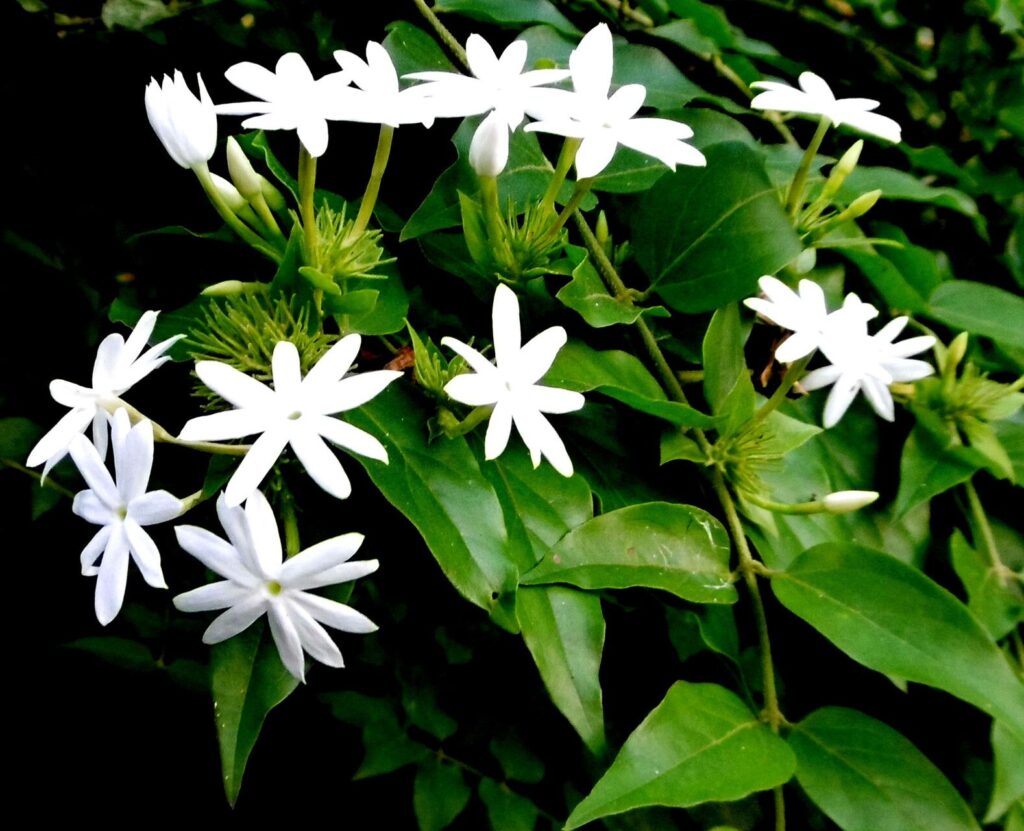
Unleash Your Inner Gardener: Mastering Jasminum Multiflorum Propagation
Few scents can rival the intoxicating aroma of jasmine wafting through a warm breeze. And when it comes to fragrance and visual appeal, the Jasminum multiflorum, also known as the Star Jasmine or Winter Jasmine, reigns supreme. This vigorous vine, bursting with clusters of small, star-shaped white flowers, can transform any garden into a sensory haven. But did you know that replicating this beauty isn’t as difficult as you might think? Join us as we demystify the art of propagating Jasminum multiflorum and empower you to create your own fragrant oasis.
Two Paths to Jasmine Glory: Cuttings vs. Layering
There are two primary methods for propagating your Jasminum multiflorum – cuttings and layering. Both techniques offer a high success rate and allow you to expand your jasmine collection without breaking the bank.
1. The Cuttings Route: From Snip to Root
- Timing is Key: The ideal time to take cuttings is late spring or early summer when the plant is actively growing.
- Choosing the Perfect Candidate: Select healthy, non-flowering stems that are about 4-6 inches long and still somewhat pliable.
- Making the Cut: Using a sharp, sterilized knife or pruning shears, make a clean cut just below a leaf node (the point where the leaf attaches to the stem).
- Prepping for Success: Remove the leaves from the bottom third of the cutting and scrape the bark lightly at the base to encourage root development. Dipping the end in rooting hormone powder can further increase success.
- Creating a Nurturing Environment: Plant your cuttings in a well-draining potting mix and ensure they receive bright, indirect light. Keeping the soil consistently moist but not waterlogged is crucial.
- Patience Pays Off: In a few weeks, you should start to see signs of new growth, indicating successful rooting. Once the cuttings are well established, you can transplant them to larger pots or directly into the garden.
2. Mastering the Art of Layering
- Selecting a Stem: Choose a long, flexible stem located close to the ground.
- Wounding and Burying: Make a small upward cut on the underside of the stem, about 12 inches from the tip. Dust the wound with rooting hormone, then carefully bend the stem and bury the wounded section a few inches deep in moist potting mix.
- Securing the Layer: Use a small rock or a landscape staple to keep the buried portion of the stem in place.
- Waiting Game: Allow the layer to root for several weeks, ensuring the soil remains consistently moist.
- Separation and Independence: Once new roots have formed and new growth emerges, carefully separate the layered stem from the parent plant and pot it up.
Nurturing Your Jasmine Progeny
Whether you choose cuttings or layering, providing optimal care is essential for your new jasmine plants to thrive. Ensure they receive ample sunlight, well-draining soil, and regular watering. A balanced fertilizer applied during the growing season will encourage healthy foliage and abundant blooms.
By embracing the rewarding process of propagation, you can multiply your Jasminum multiflorum and transform your surroundings into a fragrant paradise. So, gather your tools, unleash your inner gardener, and let the sweet scent of success fill the air!