
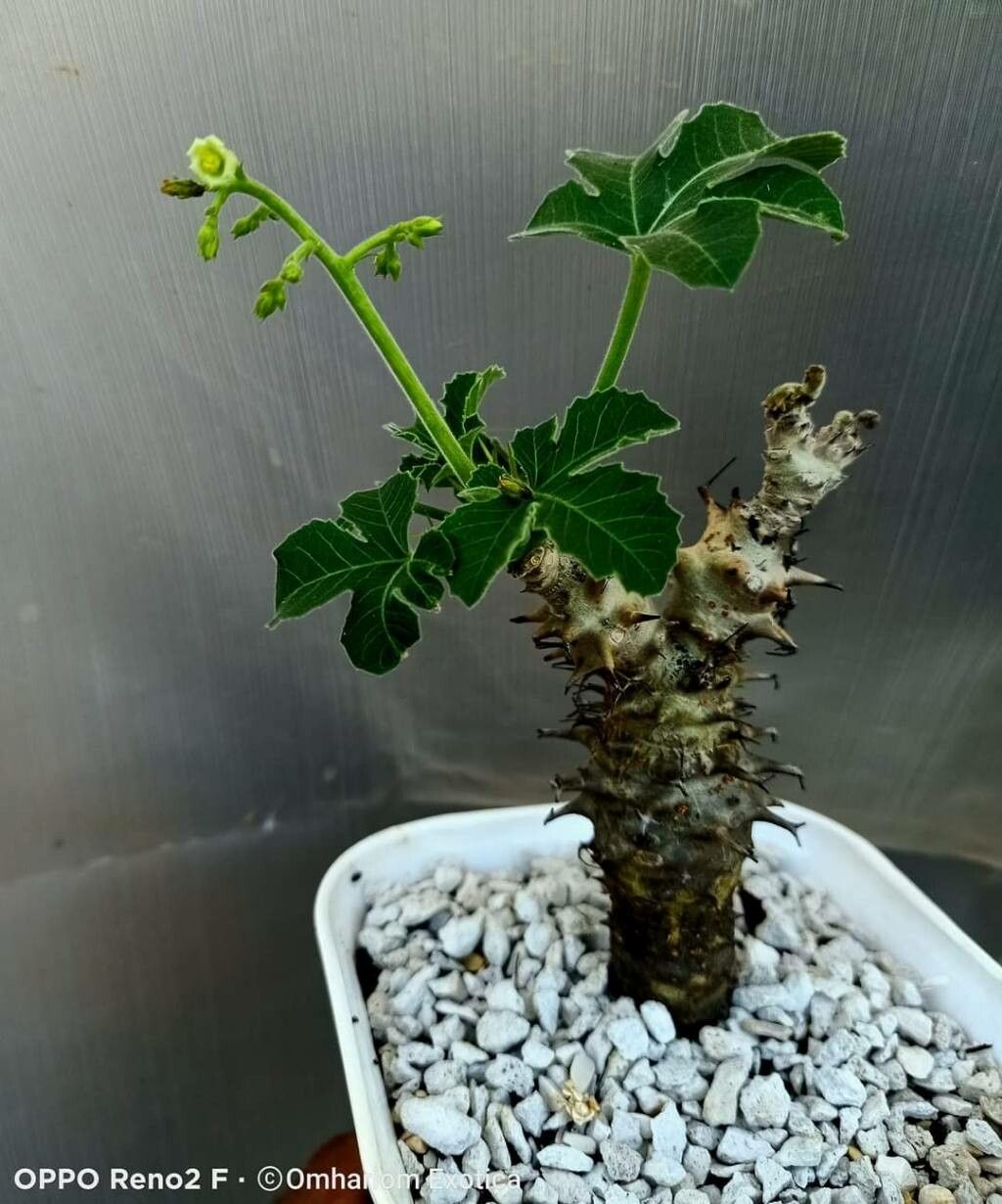
From Seed to Success: Growing Your Own Spiny Jatropha (Jatropha spinosissima)
Have you ever been captivated by the striking beauty of the Spiny Jatropha (Jatropha spinosissima)? This unique succulent, with its spiky branches and vibrant flowers, is a conversation starter in any garden. But did you know that you can easily propagate this captivating plant yourself? This guide will walk you through the process, from seed to stunningly spiky success!
The Magic of Seed Propagation
Spiny Jatropha, like many succulent species, readily multiplies through seeds. This method offers a rewarding and relatively simple way to create new plants. To begin your propagation journey, you’ll need to obtain fresh seeds. These can be harvested from your existing plant or procured from a reputable nursery.
Step-by-Step Guide to Seed Propagation
- Seed Preparation: Before planting, gently scarify the seed coat. This can be done with a sharp knife or by rubbing the seed against sandpaper. This process weakens the hard outer layer, allowing water to penetrate and germination to occur more readily.
- Planting Medium: Utilize a well-draining succulent mix. A blend of cactus potting mix and perlite or vermiculite is ideal. Fill small pots with the mixture and lightly moisten it.
- Sowing the Seeds: Place one seed per pot, pushing it slightly into the soil. Do not bury the seeds too deep, as they need light to germinate.
- Creating the Perfect Environment: Cover the pots with a clear plastic dome or wrap to create a mini-greenhouse. This will trap moisture and warmth, promoting germination. Place the pots in a warm, sunny location, ideally with temperatures around 70-75°F (21-24°C).
- Patience is Key: Germination typically takes a few weeks. Keep the soil slightly moist, but avoid overwatering, as this can lead to rot. Once the seedlings emerge, remove the plastic cover.
- Time for Sunlight: Once the seedlings have developed a few true leaves, they need strong sunlight. Gradually acclimate them to full sun over a period of a few weeks to prevent sunburn.
- Repotting: Once the seedlings are large enough, repot them into larger containers with fresh succulent mix. Remember, Spiny Jatropha thrives in well-draining soil.
Alternative Propagation Methods
While seed propagation is straightforward, you can also try rooting cuttings. Take a section of a healthy stem, remove the lower leaves, and dip the cut end in rooting hormone. Plant the cutting in a well-draining medium and keep it in a bright, warm spot.
Embrace Spiny Success
Propagation of the Spiny Jatropha is a fulfilling endeavor, allowing you to expand your collection or share this striking succulent with friends. Remember to provide ample sunlight, well-draining soil, and a watchful eye against pests and diseases. With a bit of care and patience, you’ll soon be enjoying the captivating beauty of your own Spiny Jatropha.