
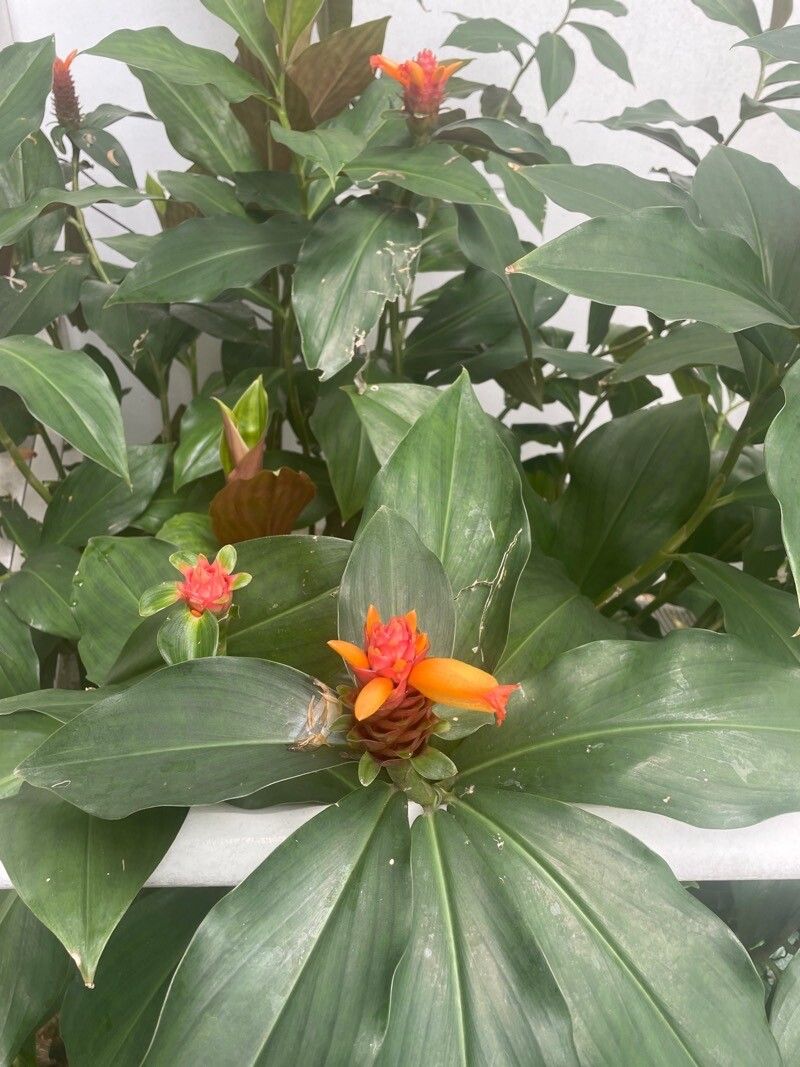
Unlocking the Secrets of Propagation: Bringing the Beauty of Costus Curvibracteatus Home
Have you ever been captivated by the mesmerizing spiral form of the Costus curvibracteatus, also known as the Spiral Ginger? Its stunning pink bracts, wrapping around the floral spike, are a true marvel of nature. This tropical beauty is a popular choice for adding exotic elegance to gardens and homes. But how do you get your hands on more of this unique plant? The answer lies in propagation.
Understanding the Power of Propagation
Propagation is essentially the art of making new plants from a parent plant. It’s a rewarding process that allows you to create your own collection of this gorgeous ginger, while potentially saving money and experiencing the joy of nurturing new life.
Methods for Propagating Costus Curvibracteatus
While there are several propagation techniques, here are two widely used and successful methods for Costus curvibracteatus:
1. Division
- When: The best time for division is during the spring when the plant is actively growing.
- How: Carefully dig up the mature plant and gently separate it into individual divisions, each with its own root system and healthy foliage. Plant these divisions in well-drained potting mix or directly into the ground, ensuring good moisture retention.
- Advantages: This method is generally the simplest and most successful way to propagate Costus curvibracteatus.
2. Stem Cuttings
- When: Stem cuttings can be taken throughout the growing season, although spring and summer are ideal for faster rooting.
- How: Choose healthy, non-flowering stems, and cut them into approximately 4-6 inches long sections. Remove the leaves from the bottom inch of the stem. Dip the cut end in rooting hormone for increased success. Plant the cuttings in a well-draining mix, keeping them moist but not waterlogged. A humidity dome or plastic bag over the container can promote rooting.
- Advantages: Stem cuttings offer a way to multiply your plant quickly and easily.
Tips for Success
- Sunlight: Costus curvibracteatus thrives in bright, indirect light. Avoid placing your plant in direct sunlight, as this can scorch the leaves.
- Watering: Keep the soil consistently moist but not waterlogged. Allow the top inch of soil to dry out between waterings.
- Fertilizer: Feed your plant with a balanced liquid fertilizer every few weeks during the growing season.
A Journey of Growth and Beauty
While propagation might seem daunting at first, it’s truly a fulfilling experience. Witnessing a tiny stem cutting transform into a flourishing plant is a rewarding journey that connects you to the magic of nature. So, why not embark on your own propagation adventure and bring the enchanting beauty of Costus curvibracteatus to life?