
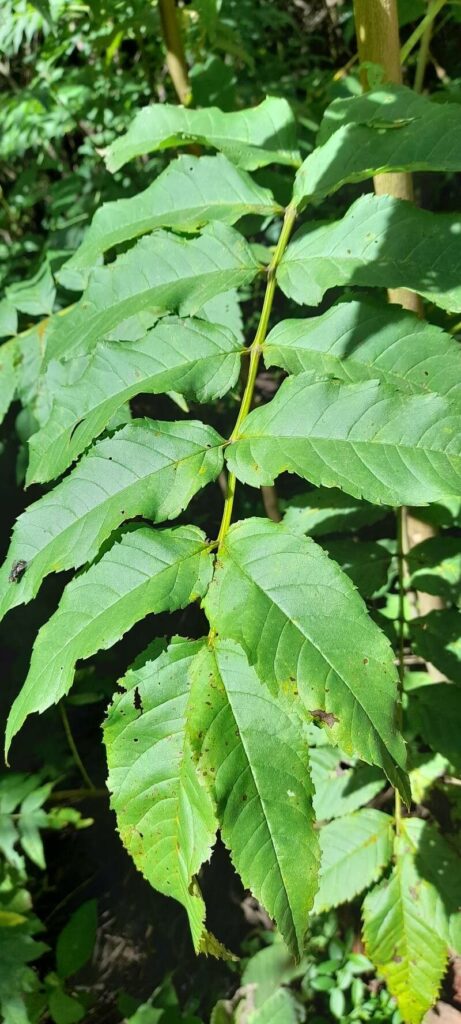
Cracking the Code: Propagating the Majestic Southern Walnut (Juglans australis)
The Southern Walnut (Juglans australis), a lesser-known relative of the common walnut, stands as a majestic giant in the forests of South America. Reaching heights of over 100 feet, this deciduous tree boasts a striking, broad crown and produces edible nuts with a unique flavor. For those adventurous gardeners and tree enthusiasts seeking a rewarding challenge, propagating Juglans australis offers a chance to cultivate this botanical treasure.
Seed Propagation: A Test of Patience
The most common and arguably most satisfying method of propagating Juglans australis is through its seeds. However, patience is key, as the journey from seed to sapling requires dedication and understanding.
Here’s a step-by-step guide to seed propagation:
-
Seed Collection and Preparation: Harvest mature nuts in the fall when the husks begin to soften and split. Remove the husk and any remaining pulp. It’s generally recommended to sow seeds immediately, as they have a short dormancy period and lose viability quickly.
-
Stratification (Cold Treatment): Southern Walnut seeds require a period of cold stratification to break dormancy and encourage germination. Place the seeds in a moist medium like sand or peat moss, and store them in a refrigerator (around 4°C or 39°F) for 60-90 days.
-
Sowing: After stratification, sow the seeds in seed trays or individual pots filled with well-draining potting mix. Plant them about 2-3 inches deep and water thoroughly.
- Patience is Key: Germination may take several weeks to months, so don’t be discouraged if you don’t see sprouts immediately. Maintain consistent moisture and keep the seedlings in a well-lit area, protected from frost.
Other Propagation Methods:
While seed propagation remains the primary method, adventurous gardeners can explore these alternative techniques:
-
Cuttings: Taking hardwood cuttings in late fall or early winter can be successful, but this method generally yields a lower success rate than seed propagation.
- Grafting: Skilled grafters might consider grafting onto compatible rootstock, such as black walnut (Juglans nigra). Grafting allows for faster growth and potentially earlier nut production.
Care and Cultivation:
Once your Southern Walnut saplings emerge, providing optimal growing conditions is crucial for their survival and development:
- Sunlight: These trees thrive in full sun to partial shade.
- Soil: Well-drained, loamy soil rich in organic matter is ideal.
- Watering: Water young trees regularly, especially during dry spells. Gradually reduce watering frequency as the tree matures.
- Fertilization: A balanced fertilizer can be applied during the growing season to support healthy growth.
A Note of Caution: Juglans australis, like other walnut species, produces juglone, a substance that inhibits the growth of certain plants. Be mindful when selecting companion plants, and avoid planting near juglone-sensitive species.
Propagating Juglans australis may require patience and dedication, but the reward of cultivating this magnificent tree from seed or cutting is a testament to your gardening prowess. By understanding its unique requirements and employing the right techniques, you can unlock the potential of this South American treasure and contribute to the preservation of a remarkable species.