
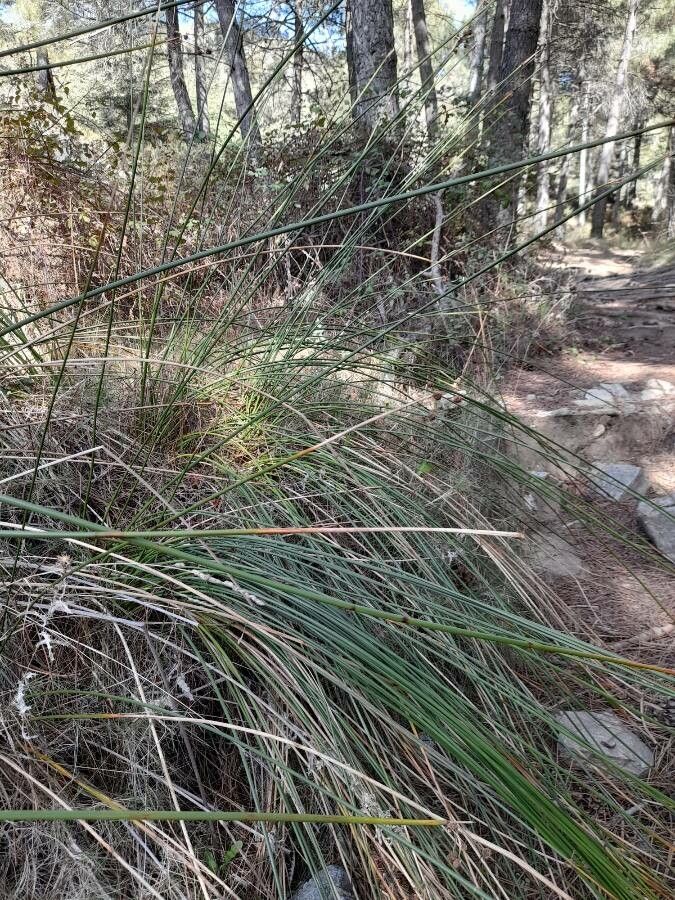
From One to Many: Unlocking the Secrets of Juncus holoschoenus Propagation
Have you ever gazed upon a lush patch of Juncus holoschoenus, also known as the “Common Rush,” and wondered how you could replicate that vibrant, verdant beauty in your own garden? You’re not alone! This adaptable and striking plant, with its upright, reed-like stems and subtle, elegant charm, is increasingly popular among gardeners. But how do you expand your existing stock of this graceful grass-like perennial?
Fear not, fellow plant enthusiasts! The process of propagating Juncus holoschoenus is surprisingly simple and rewarding. This versatile plant lends itself to two primary methods: division and seed propagation.
Division: A Speedy Path to Success
Division is the most straightforward method of propagating Juncus holoschoenus. It’s best done in early spring or late summer, when the plant is actively growing. Here’s how to do it:
- Locate a Healthy Plant: Choose a robust Juncus holoschoenus clump with at least three to four stems.
- Carefully Dig and Divide: Gently lift the entire plant from the ground. Use a sharp, clean knife or a trowel to separate the clump into smaller divisions, ensuring each new clump has several stems and roots.
- Repot and Water: Plant the divisions into new pots or directly into your garden beds, providing adequate spacing between them. Water them thoroughly to help them settle in.
Seed Propagation: A Long-Term Option
While it takes a little longer, propagating Juncus holoschoenus from seed offers the chance to grow many new plants and enjoy the joy of watching them grow. Here’s how:
- Collect Seeds: In late summer or early fall, let some of the seed heads mature on your plant. When they turn brown and dry, you can carefully collect the seeds.
- Sow Seeds Indoors: Sow the seeds in a seed starting tray or pots filled with a well-draining seed-starting mix. Lightly cover the seeds with soil and water them well. Keep the seeds in a warm, sunny location.
- Transplant Seedlings: Once the seedlings are 1-2 inches tall (usually a few weeks after sowing), they can be transplanted into larger pots or directly into your garden. Space them appropriately for optimal growth.
Successful Propagation Tips:
- Choosing the Right Time: Whether dividing or planting seeds, timing is crucial. Early spring or late summer offers ideal conditions for success.
- Soil Conditions: Juncus holoschoenus thrives in moist, well-drained soil. Ensure the planting site provides adequate drainage, especially if planting in your garden.
- Sunlight: These plants prefer full sun to partial shade. Choose a location that receives at least 4-6 hours of sunlight per day.
- Water Regularly: Keep the soil moist but not waterlogged.
With a little effort and attention to detail, you can easily propagate Juncus holoschoenus and enjoy its natural beauty in your garden. Whether you opt for the speed of division or the long-term strategy of seed propagation, the joy of creating new life from this versatile plant is truly rewarding. So grab your gardening tools, get ready to explore, and let the adventure of Juncus holoschoenus propagation begin!