
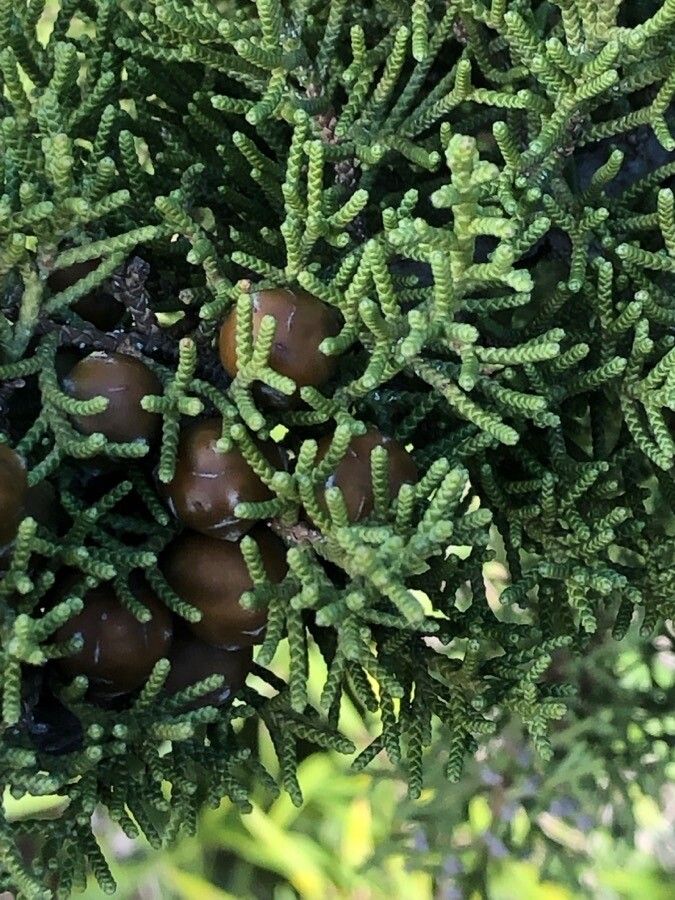
Propagating Juniperus phoenicea: A Guide to Cultivating the Phoenician Juniper
Juniperus phoenicea, commonly known as the Phoenician juniper, is a resilient and strikingly beautiful evergreen shrub or small tree prized for its adaptability and attractive foliage. Its grey-green to blue-green scale-like leaves, often tinged with reddish-brown, and its ability to thrive in dry, rocky conditions make it a popular choice among gardeners seeking low-maintenance landscaping solutions, especially in Mediterranean-style gardens. Its propagation, however, presents unique challenges. The satisfaction derived from successfully cultivating this plant, however, is well worth the effort.
Seed Germination:
Currently, there are no known reliable methods for seed germination propagation of Juniperus phoenicea. While seeds are produced, their germination rate is notoriously low and inconsistent, making this approach impractical for most home gardeners and nurseries. The hard seed coat and dormancy requirements are significant obstacles. Extensive pre-treatment, such as prolonged stratification (cold treatment) followed by alternating temperature treatments, has shown limited success. While the potential for genetic diversity from seed propagation is appealing, it is outweighed by the difficulties in achieving germination.
Cuttings:
Cuttings represent a more viable method for propagating Juniperus phoenicea. The challenges lie in achieving successful rooting.
- Challenges: Cuttings require careful selection of healthy, semi-hardwood stems taken from the current year’s growth. Poor sanitation can lead to fungal diseases. Using appropriate rooting hormones and maintaining high humidity are crucial for success.
- Practical Tips: Take cuttings in late summer or early autumn. Dip the basal ends in a rooting hormone powder and plant them in a well-draining propagation mix (e.g., perlite and peat). Maintain high humidity using a propagator or plastic covering. Root development can take several weeks to months.
- Rewards: Cuttings produce genetically identical plants, preserving desirable traits. This method is more reliable and efficient than seed germination for achieving a larger number of plants quickly.
Division:
Division is generally not a feasible method for propagating Juniperus phoenicea. These plants often develop a large, taproot and are difficult to successfully divide without severely damaging the root system and compromising plant survival.
Tissue Culture:
Tissue culture offers another viable, albeit specialized, method for propagation.
- Challenges: This technique requires aseptic conditions, specialized equipment, and a strong understanding of plant tissue culture techniques. It’s generally not a practical option for home gardeners.
- Practical Tips: Successful tissue culture requires skilled expertise and access to a laboratory setting. Sterilization of explants and culture media is critical.
- Rewards: Tissue culture allows for rapid multiplication of desirable plants, producing large quantities of clones, and offers the opportunity to screen out diseases.
Conclusion:
Propagating Juniperus phoenicea presents challenges across different methods. While seed germination proves largely unreliable, cuttings offer a reasonable approach for home gardeners, though success requires attention to detail and patience. Tissue culture provides a more efficient, large-scale option, but necessitates specialized knowledge and equipment. The ultimate reward for successful propagation lies in the unique beauty of this adaptable plant, flourishing within your garden. The journey, though potentially challenging, fosters a deep connection with the plant and a sense of accomplishment that significantly enhances the gardening experience. Aspiring propagators should consider their resources and capabilities before choosing a method and remember that even with cuttings, patience and consistent care are key to success.