
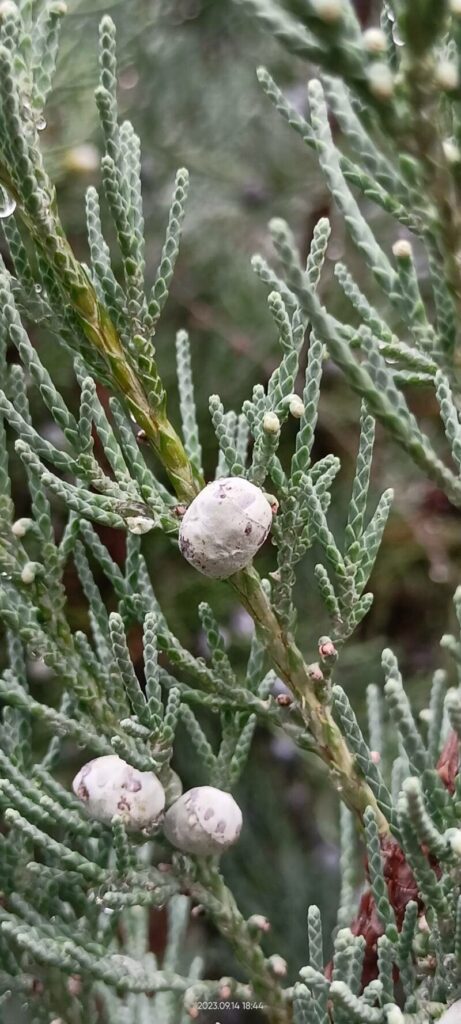
Reaching New Heights: Propagating the Majestic Rocky Mountain Juniper
The Rocky Mountain juniper (Juniperus scopulorum), with its silvery-blue foliage and imposing stature, brings a touch of the mountainous West to any landscape. But did you know that propagating this majestic evergreen is a rewarding endeavor accessible even to novice gardeners?
While the juniper’s resilience allows for experimentation, understanding the nuances of each propagation method increases your chances of success. Whether you’re looking to multiply your existing trees or share their beauty with others, this guide will equip you with the knowledge to propagate Rocky Mountain junipers confidently.
1. Seeds: A Test of Patience
Propagating Rocky Mountain junipers from seeds is possible, but it’s a marathon, not a sprint. The seeds require stratification (a period of cold treatment) to break dormancy, often taking a year or more to germinate. Here’s how:
- Collect ripe berries: Choose plump, dark blue berries in late summer or early fall.
- Clean the seeds: Soak the berries to remove the fleshy outer layer, revealing the hard seed within.
- Stratify: Mix the seeds with moist sand and store them in a refrigerator (around 40°F) for 90-120 days.
- Sow in spring: Plant the seeds in a well-draining seed-starting mix, keeping them moist but not soggy.
Be prepared for a long wait! Seedlings are delicate and may require several years of growth before being ready for transplantation.
2. Cuttings: A Faster Track to Success
Taking cuttings is the most popular and generally successful method for propagating Rocky Mountain junipers. This approach offers faster results and ensures the offspring will have the same desirable traits as the parent plant.
- Timing is key: Take semi-hardwood cuttings (partially mature growth that’s firm but not brittle) in late summer or early fall.
- Select healthy shoots: Choose vigorous, current year’s growth, about 4-6 inches long.
- Prepare the cuttings: Remove the lower needles, leaving a few at the top. Wound the base of the cutting slightly to expose the cambium layer, which promotes rooting.
- Dip in rooting hormone: While optional, using a rooting hormone powder can significantly increase your chances of success.
- Plant and protect: Place the cuttings in a well-draining potting mix and cover the container with a plastic bag or humidity dome to trap moisture.
- Patience is still required: Keep the cuttings in a bright, indirectly lit location, misting regularly to maintain humidity. Rooting can take several weeks to a few months.
3. Layering: A Natural Approach
Layering is a less commonly used, but effective method, ideal for low-growing branches. This technique encourages roots to form on a stem while it’s still attached to the parent plant.
- Choose a flexible branch: Select a low-growing branch that can easily reach the ground.
- Prepare the branch: Wound the underside of the branch slightly and apply rooting hormone (optional).
- Bury the wounded portion: Secure the wounded part of the branch beneath the soil surface using a landscape pin or rock, ensuring the tip remains exposed.
- Maintain moisture: Keep the soil consistently moist.
- Sever and transplant: After a year, check for root development. If successful, separate the layered branch from the parent plant and transplant it to its desired location.
Propagating Rocky Mountain junipers, whether from seeds, cuttings, or layering, is a rewarding experience connecting you to the enduring spirit of this remarkable tree. With a little patience and care, you can cultivate your own collection of these stunning evergreens, enriching your landscape for generations to come.