
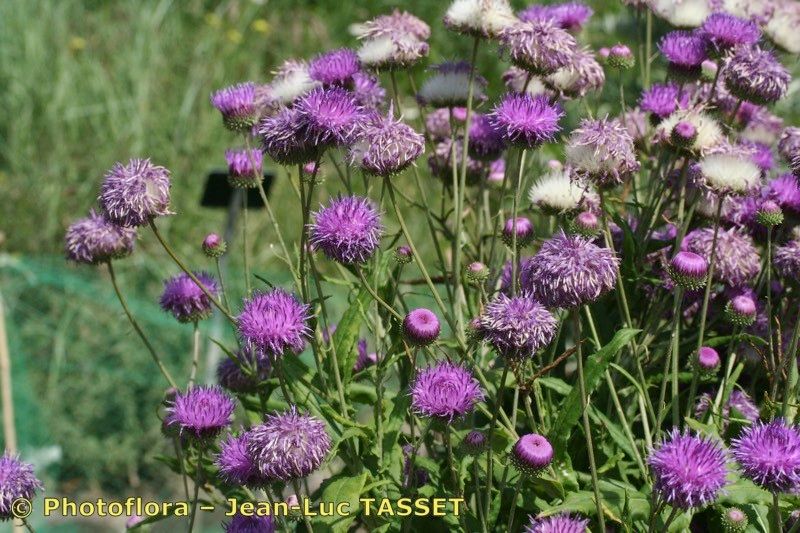
Winged Wonders: A Guide to Propagating Jurinea alata
The Jurinea alata, with its enchanting thistle-like blooms and feathery foliage, adds a touch of wild beauty to any garden. While perhaps not as widely known as roses or lilies, this hardy perennial wins hearts with its unique charm and resilience. If you’re hoping to welcome more of these winged wonders into your life – the “alata” in its name actually refers to its winged stems – propagation is the answer. Let’s explore the methods for expanding your Jurinea alata collection.
Two Paths to Propagation:
1. Seed Sowing: A Journey of Patience and Reward
For those who enjoy the miracle of growth from the very beginning, propagating Jurinea alata from seed offers a rewarding challenge.
- Timing is Key: Start your seeds indoors in late winter or early spring, 6-8 weeks before the last expected frost.
- Sowing the Seeds: Use a well-draining seed starting mix. Sprinkle the seeds on the surface and lightly press them in, as they need light to germinate. Keep the soil consistently moist but not waterlogged.
- Patience is a Virtue: Jurinea alata seeds are known for their somewhat erratic germination rates. Don’t be discouraged if they take their time; germination can range from a couple of weeks to a couple of months.
- From Indoors to Out: Once the seedlings are sturdy and all danger of frost has passed, gradually harden them off by introducing them to outdoor conditions for increasingly longer periods. Plant them in their permanent location in full sun to partial shade.
2. Division: Sharing the Bounty of Established Plants
If you already have a thriving Jurinea alata, division offers a simpler and faster way to propagate new plants.
- The Right Time and Tools: Divide established plants in early spring or fall. Choose a cool, cloudy day to minimize stress on the plants. You’ll need a sharp, clean garden knife or spade and gloves for handling.
- Divide and Conquer: Carefully dig up the entire plant, ensuring you get as much of the root system as possible. Gently tease apart the plant into smaller sections, each with a good amount of roots and shoots attached.
- Replanting Success: Choose a sunny to partially shaded location with well-drained soil. Plant the divisions at the same depth they were originally growing. Water them in well to encourage establishment.
Nurturing Your New Jurinea Alata:
Whether you choose to start from seed or by division, young Jurinea alata plants thrive when given proper care:
- Sunlight and Soil: Plant in a location that receives at least 6 hours of sunlight daily. These plants appreciate fertile, well-drained soil.
- Watering Wisely: While drought-tolerant once established, regular watering during the first year helps them develop strong root systems. Water deeply but avoid over-watering.
- Deadheading Delights: Deadhead spent blooms regularly to encourage more flowering and a tidier appearance.
Propagating Jurinea alata might require a touch more patience than with some other plants, but the reward of seeing these beautiful, unique perennials blooming in your garden is well worth the effort. With the right techniques and a little love, you can have a flourishing colony of these winged wonders gracing your outdoor space.